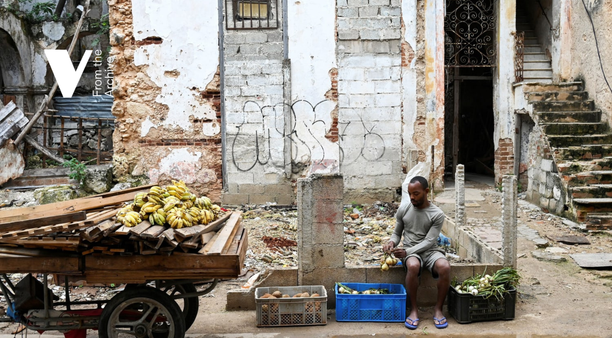
Prologue to the Cuban Revolution pt. III
Part III of 'Prologue to the Cuban Revolution' by Robin Blackburn, original published in 1963.
Part III of 'Prologue to the Cuban Revolution' by Robin Blackburn, original published in 1963.
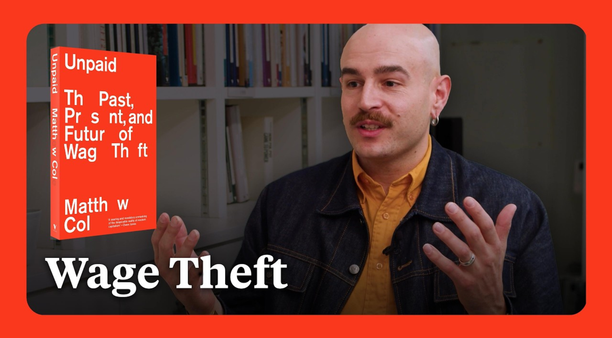
Matthew Cole sits down with Ashok Kumar to discuss why wage theft persists.
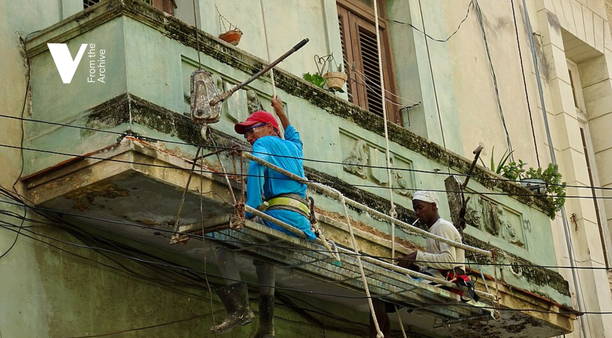
Part II of 'Prologue to the Cuban Revolution' by Robin Blackburn, originally published in 1963.
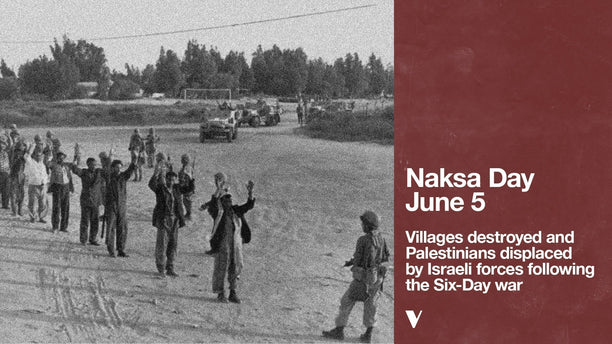
To commemorate Naksa Day, we present a reading list on the history of settler violence, global resistance, and Palestinian art and identity.
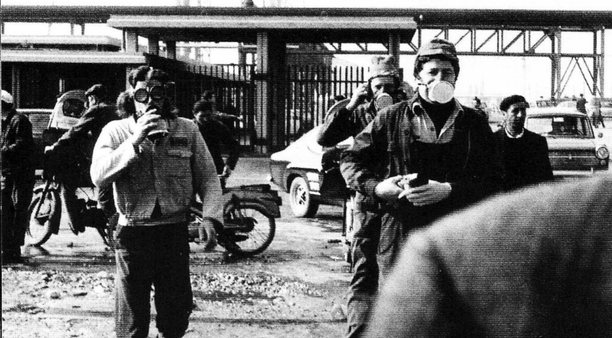
Originally published on Ocean-Archive.com, authors Lorenzo Feltrin and Emanuele Leonardi discuss how working-class environmentalism continues to address the intertwined degradation of bodies and the environment.

Buy one of our new titles and save 30% on related books from our catalogue!

The revolutions of the queer future beckon. Take 30% off select titles and download free ebooks from our Radical Thinkers series!
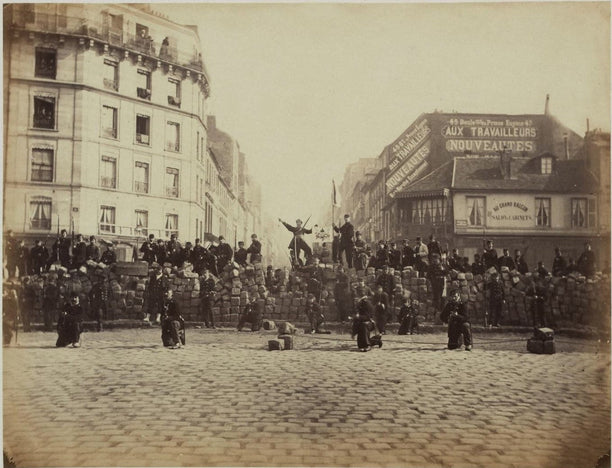
Celebrating the 155th anniversary of The Paris Commune.

Part one of Robin Blackburn's 1963 essay 'Prologue to the Cuban Revolution'
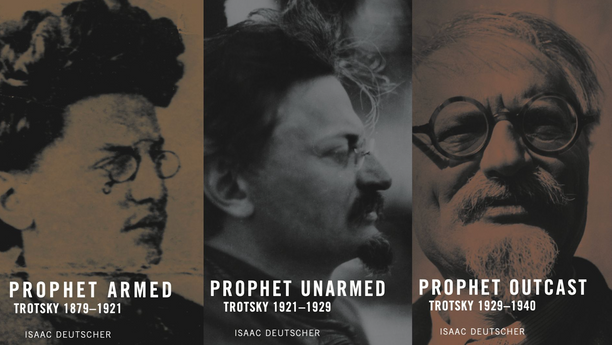
Isaac Deutscher's classic biography is back in stock and 30% off until May 26th.
In the latest New Left Review: Nancy Fraser reflects on the global reverberations of Israel’s destruction of Gaza.
Henry Snow joins the Verso Book Club Reading Group to discuss the origins of the rules that govern our workday.