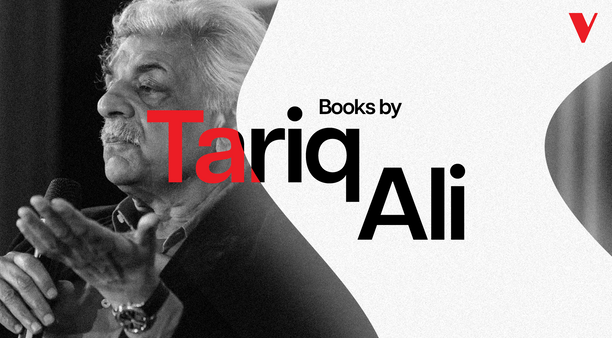
Tariq Ali: A Leading Figure of the International Left
Featuring beautiful new editions of Tariq Ali's Islam Quintet.
Featuring beautiful new editions of Tariq Ali's Islam Quintet.
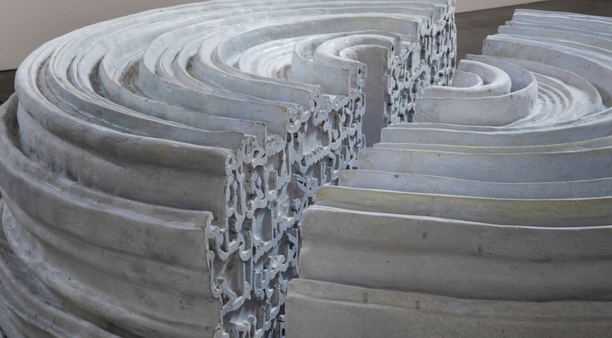
Afshin Matin-Asgari, author of Axis of Empire: A History of Iran-US Relations, on Iran's decades-long political and social impasse.

In this new interview, Paul Heideman talks Trumpism and the Republican Party

Ernest Mandel on the turning points of World War Two, including the "key battle" of Stalingrad.

Christian Laval, co-author of The Choice of Civil War, on the escalation of the neoliberal order through the Trump administration's total war.
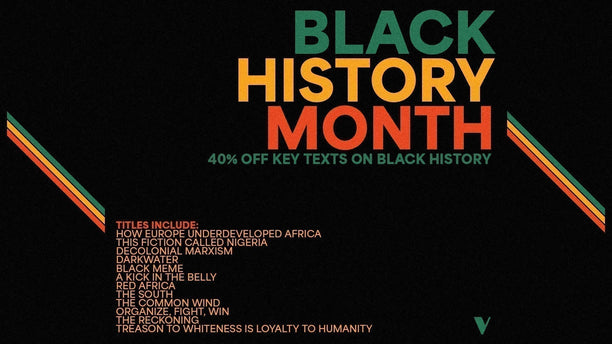
40% off key titles on Black History and Black Liberation
The targeting of immigrant communities has reached extraordinary new levels of shamelessness, drawing activists to the streets in protest and sparking fiery confrontations against the state's militarized police forces. These books were selected to provide histories of immigration enforcement and philosophies of division and pacification.
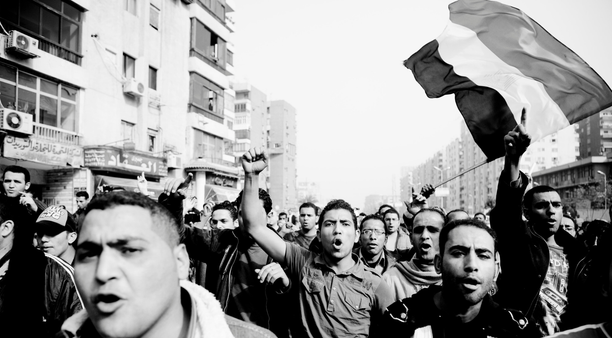
On the anniversary of the 2011 Egyptian Revolution, journalist Hossam el-Hamalawy discusses its legacy and the impetus for his forthcoming Counterrevolution in Egypt.

Ayça Çubukçu offers a sharp critique of "campist" left politics and discusses the potential for an internationalism from below.
Eman Basher and Ahmed Masoud will join the Verso Book Club Reading Group to discuss Palestinian poetry, education, and resistance.
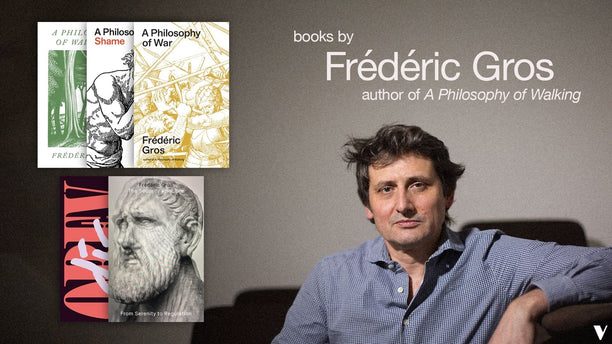
Read the latest works from the author of the bestseller A Philosophy of Walking.

Books on and by the great revolutionary and theorist.