
‘The Far Right Are Succeeding Again in Appealing to the Most Primitive Identity Symbols’
Jacques Ranciere interviewed in Chile about his work, contemporary politics and the rise of the far-right.
Jacques Ranciere interviewed in Chile about his work, contemporary politics and the rise of the far-right.
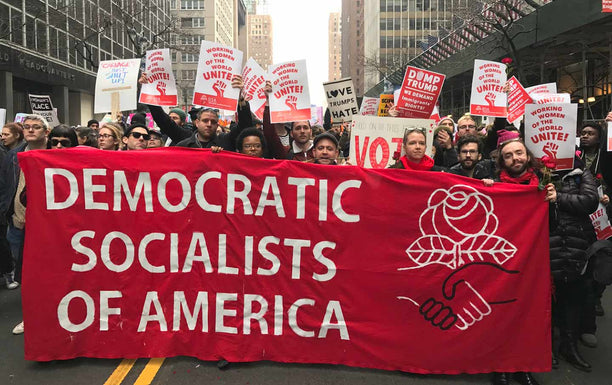
The past year has seen the continuation of the debates in the DSA around questions of class, identity and strategy. In this article, David I. Backer argues against a class separatism which would reduce questions of identity to those of class, and argues for a new perspective which is attentive to both the structures and the experience of capitalist society.
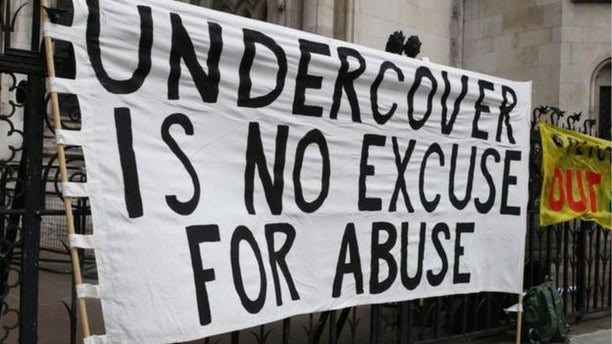
Recent revelations show that at least 140 English and Welsh ‘spycops’, long-term undercover agents, infiltrated around 120 dissident political organisations between 1968 and 2011 - the vast majority of the these being organisations on the left. But why does the state infiltrate political organisations? And why does it disproportionately target those on the left, as opposed to the right? In this article Connor Woodman looks at the history of the British secret state and the role it plays in the maintenance of capitalism.

Jean-Baptiste Fressoz argues that the term "energy transition" masks the persistence of old systems and underestimates the transformation to be achieved.
Who Makes Cents is a monthly program devoted to producing engaging stories that explain how capitalism has changed over time.

Loren Balhorn interviews author and filmmaker Klaus Gietinger about his new book, The Murder of Rosa Luxemburg.

There has been a resistance to Brexit causing 'hard borders' around Northern Ireland. But, as Luke Butterly argues, the reality for those who do not meet the criteria of 'Irishness' or 'Britishness' is that there has been a hard border on the island for many years.
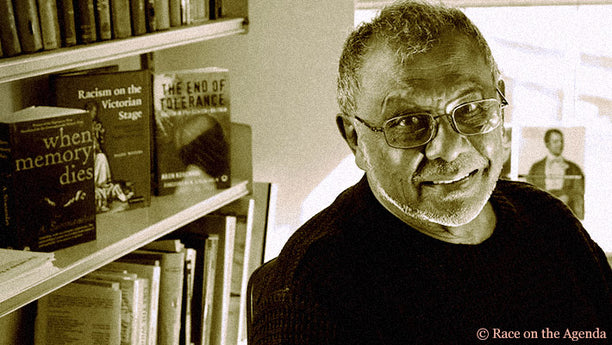
Today marks the one year anniversary of the death of one of Britain's foremost black socialist intellectuals, A. Sivanandan, whose work changed the way we think about race. In this essay, Fathima Cader reads his work via his novel When Memory Dies, which charts the struggles of three generations of Sri Lankans.
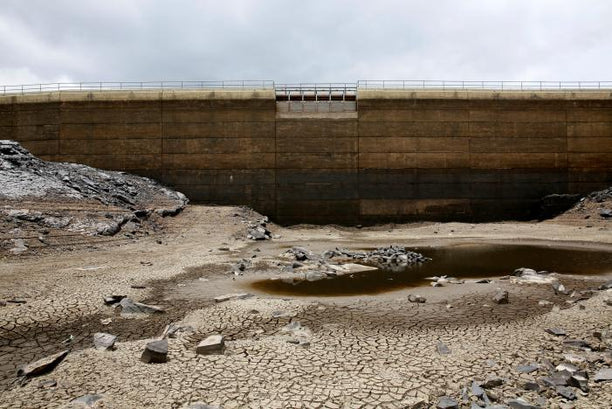
Contemporary capitalism is faced with an organic crisis in the fullest possible sense of the term, one that encompasses not just the political and economic contradictions Gramsci described but also the biological terrain upon which social life ultimately depends.

After President Macron’s speech and with the ‘gilets jaunes’ movement continuing, Etienne Balibar explains its origins and examines some of its political implications.
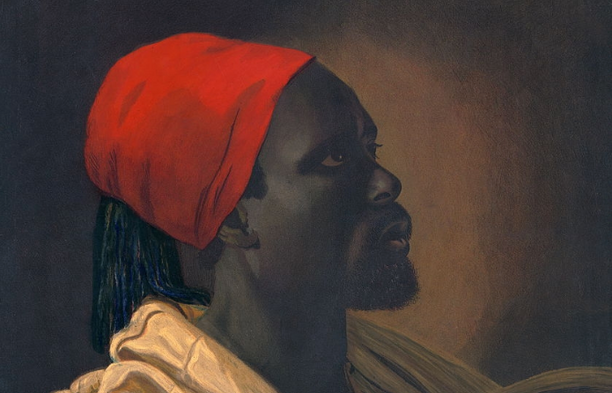
Of all the types of intelligence which arrived either on the printed page or by word of mouth in Afro-American societies, none was more eagerly anticipated or potentially explosive than news which fueled hopes of black emancipation.
It's back! Verso staff pick their favourite non-Verso books of the year.