Slavoj Žižek writes in the Guardian on the Occupy movement, its taboo-breaking nature, and why hard and patient work is now required.
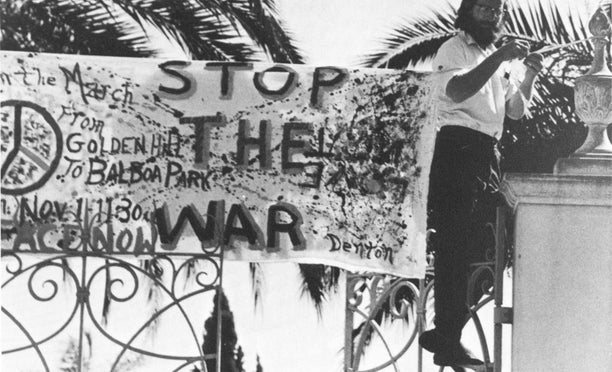
Carnivals come cheap - the true test of their worth is what remains the day after, how our normal daily life will be changed. The protesters should fall in love with hard and patient work - they are the beginning, not the end. Their basic message is: the taboo is broken; we do not live in the best possible world; we are allowed, obliged even, to think about alternatives.
He goes on to respond to some of the criticisms of the Occupy protests:
Are the protesters violent? True, their very language may appear violent (occupation, and so on), but they are violent only in the sense in which Mahatma Gandhi was violent. They are violent because they want to put a stop to the way things are - but what is this violence compared with the violence needed to sustain the smooth functioning of the global capitalist system?
Two more of the best entries from the Shooting Žižek short film competition...
First up, Temujin Doran's Living in the End Times:
Living in the End Times from Studiocanoe on Vimeo.
Back in May Verso and The Church of London launched a short film competition - Shooting Žižek - in which entrants were asked to respond to the themes of Slavoj Žižek's latest book, Living in the End Times, with a one-minute film.
We've had weird and wonderful entries from around the world. The winner will be announced on Monday 31st October, but in the run up we'll be posting two of the best entries every day this week.
First up are Gabriel Tupinambá's Living in the End Times and Sam Norton's Enough.
Arundhati Roy, interviewed for the Independent, speaks about the 'Maoist rebels' fighting India's internal colonization, and why their resistance is legitimate:
Today India is going down the same path travelled centuries back by the European colonial powers: identifying sources of strategic minerals, driving off the people living on top of them, extracting the iron ore, the bauxite and so on, and using it to industrialise and grow rich. The difference is that India has no Australia or Latin America it can plunder. Instead, as Roy says, "It is colonising itself, turning upon its own poor to extract raw materials."
Centuries after the plunder of mineral resources began, some people living in countries like ours began to understand the horrors that had been committed along the way: the indigenous peoples massacred, their traditions erased, the survivors reduced to penury. But by then, remorse came cheap: the damage had been done, the great fortunes made.
But in India all this is happening now, in real time. As a result, remorse is far more expensive: if sincerely meant, it could really throw a spanner in the happiness machine...
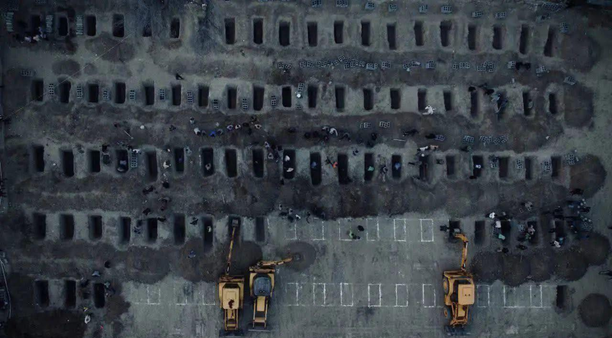
Arundhati Roy writes in the Guardian on the discovery of more mass unmarked graves in Kashmir and the supression of dissent by the Indian government. Foreign reporters who write about Kashmir are increasingly being deported, and Kashmiri journalists and activists face much more severe persecution:
David Barsamian is not the first person to be deported over the Indian government's sensitivities over Kashmir. Professor Richard Shapiro, an anthropologist from San Francisco, was deported from Delhi airport in November 2010 without being given any reason. It was probably a way of punishing his partner, Angana Chatterji, who is a co-convenor of the international peoples' tribunal on human rights and justice which first chronicled the existence of unmarked mass graves in Kashmir...
Kashmir is in the process of being isolated, cut off from the outside world by two concentric rings of border patrols - in Delhi as well as Srinagar - as though it's already a free country with its own visa regime. Within its borders of course, it's open season for the government and the army. The art of controlling Kashmiri journalists and ordinary people with a deadly combination of bribes, threats, blackmail and a whole spectrum of unutterable cruelty has evolved into a twisted art form.