



For philosophy, framing the phenomenological gift aligns an eidetic
point that begins to bracket in Nothingness, which may or may not give rise to the Encounter. It is a matter of thinking about contingency. The primacy
of thinking about contingency is simply the facticity of existing there within
the Unconscious and the ether of unreal atoms—parallelism ad nausea. “The world
is a ‘gift’ that we have been given,” Althusser elucidated, “the ‘fact of the
fact’ that we have not chosen, and it ‘opens up’ before us in the facticity of
its contingency, and even beyond this facticity, in what is not merely an
observation, but a ‘being-in-the-world’ that commands all possible Meaning.” Opening
this gift does frame “being-in-the-world.” There is the possibility of meaning and the
meaning of the possibility—there is an effect of fictional subjectivity. There
are effects stemming from the facticity of this very contingency of
being-in-the-world. It is an eidetic effect as philosophical effect. Philosophy postulates eidetic points. As materialist portrait, nothingness is
nothing but the theoretical understanding of non-materiality--the original of Being-- and hence there is a retroactive excursion, more or less, that may or may not find nothingness as a material object that is idyllically graced by the Philosophical
Void.
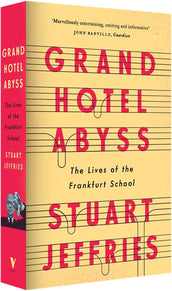
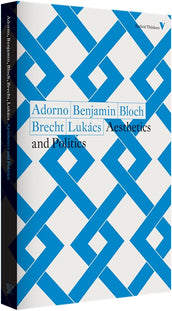
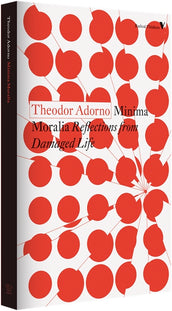
What is the German source for this? Is this in Adorno or Horkheimer's collected works? A Suhrkamp publication? Archival? Or is there a recording? I'd like to read or hear this in German.
BTW: Livingstone is an excellent, excellent translator.
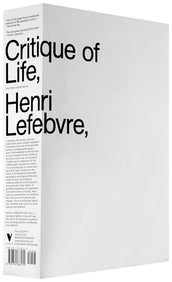
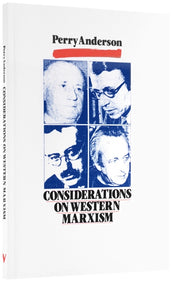
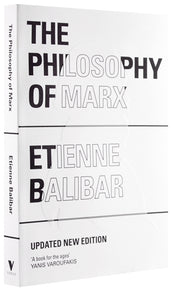
Who translated this book, and why is the translator's name omitted from
the cover, from your description on this site, and from your promotional
materials? Are you ashamed of his/her work?