
Politics, Power, and Promises
Jacques Rancière explains the temporality of the promise and how it shapes our political reality.
Jacques Rancière explains the temporality of the promise and how it shapes our political reality.
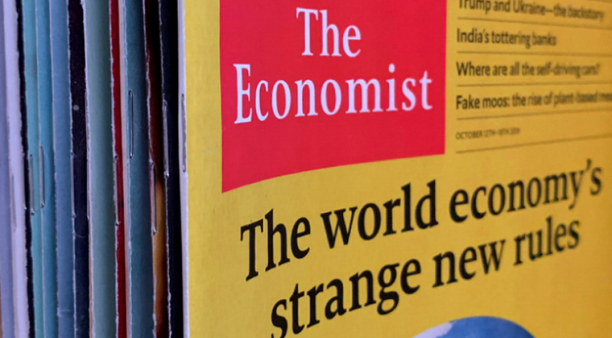
Historian Alexander Zevin looks through the pages of the Economist and finds a record of democracy's challenge to liberalism.
That diversity, equity and inclusion initiatives presuppose equity is what allows them to assimilate with ease into administrative austerity and the degradation of work. We must raise our expectations about what needs to change about higher education to make it accessible to all.
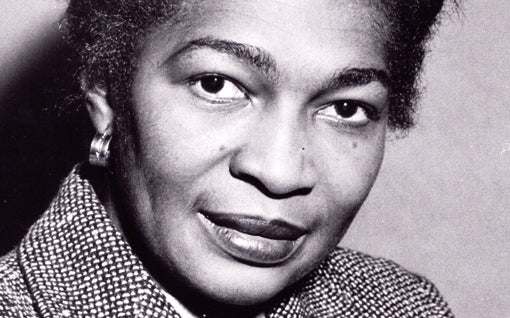
Ashley Roach-McFarlane recovers a portrait of a forgotten radical, and founder of the Notting Hill Carnival
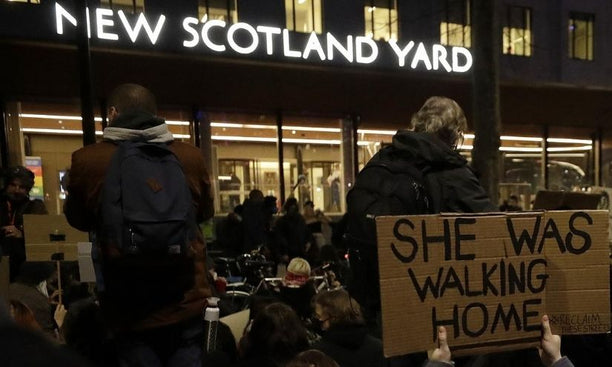
Connections between patriarchy, policing, and the failures of representational politics were brought into sharp focus last weekend by police violence at the vigil for Sarah Everard.
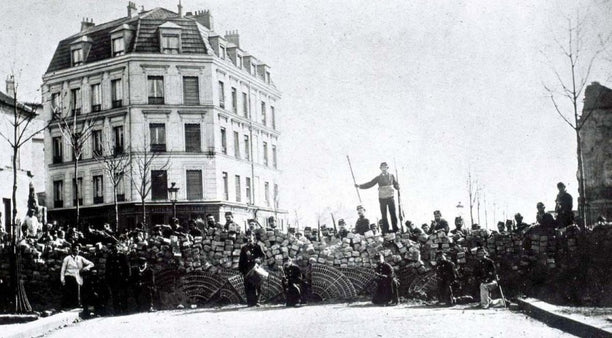
Published to mark the 150th anniversary of the Paris Commune, Owen Holland discusses socialist poetics in the time of the Commune.
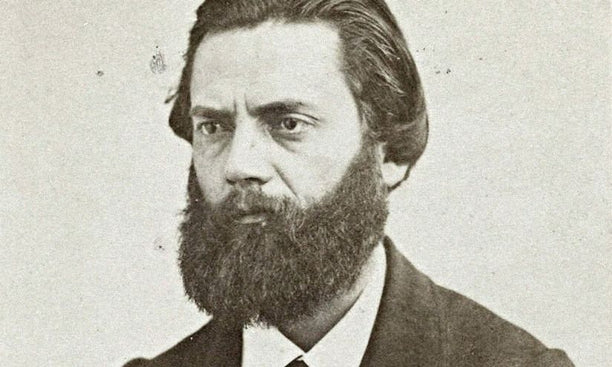
Gustave Lefrançais has been unfairly overlooked in accounts of significant actors in the Paris Commune, argues Daniel Bensaïd.
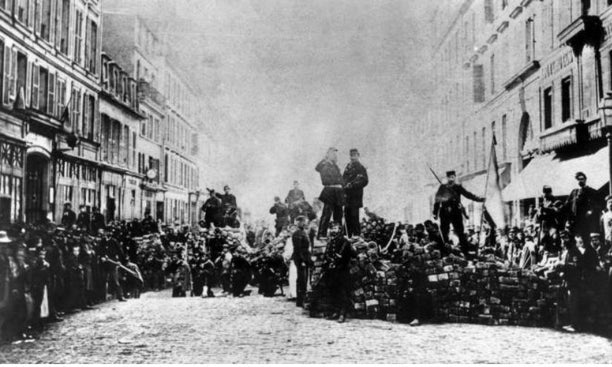
Lizzie O'Shea reflects on the revolutionary vision of the Communards, 150 years after the establishment of the Paris Commune.

Are we making women's interest in sex less, well, sexual?
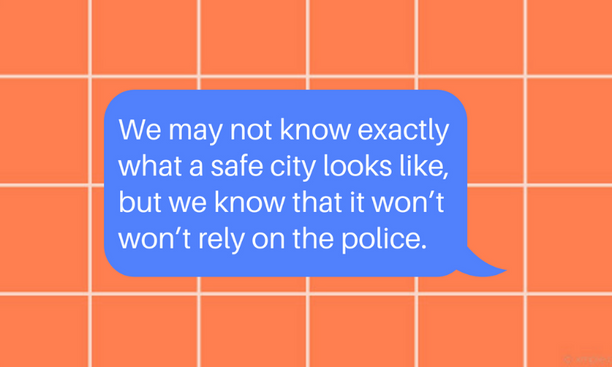
We may not know exactly what a safe city looks like, but we know that it won’t rely on the police.
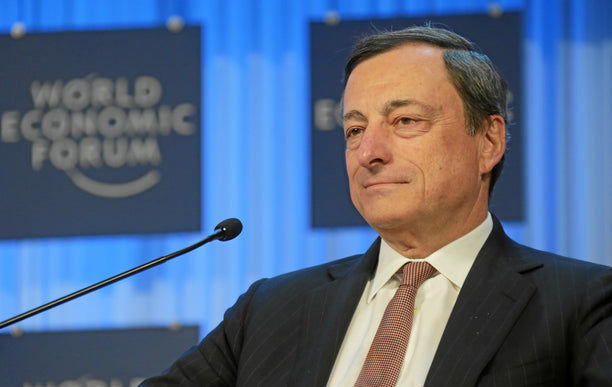
Stefano Palombarini, co-author of The Last Neoliberal, marks the return of the technocratic Italian Prime Minister and warns that this is only the morbid symptoms of a politics without future
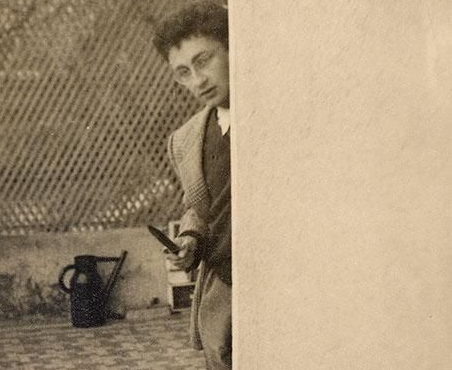
Eric-John Russell demonstrates why a return to Guy Debord's most famous work is all the more pressing at a time when irrationality no longer takes anyone by surprise.