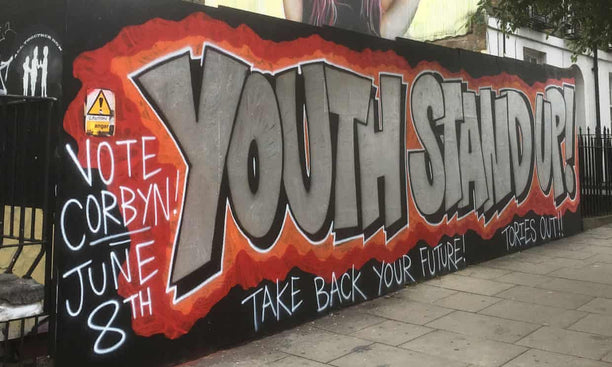
The defeat of youth: the generational dimensions of the 2019 general election
How can the left forge solidarities across a politics fractured by class, by region and – increasingly – by generation, asks Keir Milburn.
How can the left forge solidarities across a politics fractured by class, by region and – increasingly – by generation, asks Keir Milburn.

Current left proposals for public transport in the UK are too narrow, focused on either commuting or long-distance travel. It’s time for us to develop new and radical solutions for transport to rebuild Britain’s social fabric, based on free public transport at all levels and a radical reduction in car usage.
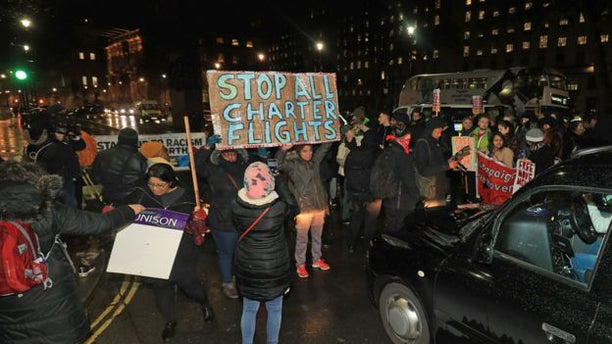
On February 11, a mass deportation flight to Jamaica departed from Doncaster Airport, UK, carrying seventeen people. At the same time the government announced an emergency law to imprison people convicted of “terror offences” for longer, and the Metropolitan police deployed facial recognition technology on the streets of London. In this article, Gracie Mae Bradley and Luke de Noronha analyse the authoritarian context of the new series of charter flights for so-called ‘foreign criminals’, and how to resist it.

Helen Charman interviews UK Women's Strike organiser Camille Barbagallo on the reasons behind the 2020 strike.

"We do not have to love one another to engage in meaningful solidarity." – on International Women's Day 2020 we bring you this writing from Judith Butler.
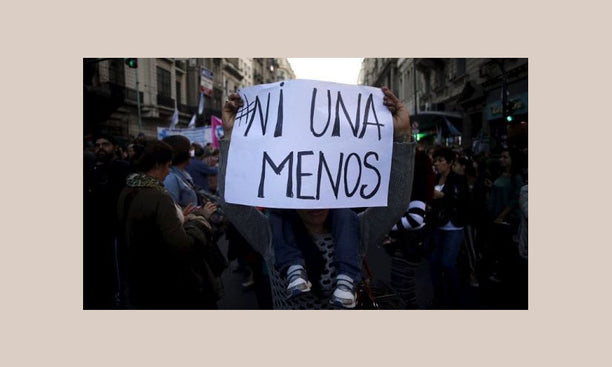
"I will take my seat and fight for your rights." – Bernadette Devlin McAliskey, 'Campaign Slogan', 1968

On Rosa Luxemburg's birthday, we present an extract from her 1906 essay “Critique in the Workers’ Movement,” available in English for the first time.

From the displacement of indigenous communities to the erasure of black lives, mass incarceration exists to exert political and economic control over racialised subjects. Until we treat criminal justice reform as an act of anti-colonial resistance, they have no hope of emancipation.
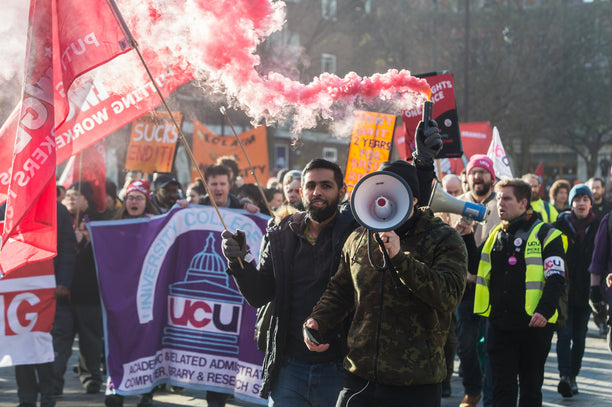
Staff at 74 British universities are currently on strike, their third major round of industrial action since 2018. Often cited in discussions of changes to universities since the early 1980s are market pressure. Yet, by invoking market pressures, we too often take the responsibility away from the managers who make decisions. It's not markets, it is the managers who fuel this crisis.

In these videos Bram Büscher looks at the radical revolution needed within conservation, proposing a post-capitalist approach that incorporates decolonisation, and goes beyond individual responsibility.
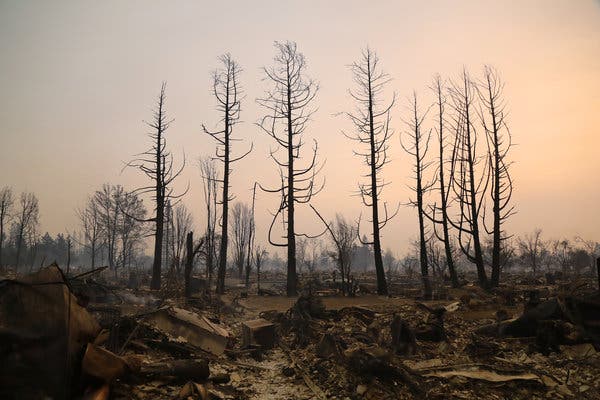
The question for conservation is no longer whether we want or need radical change. It is already happening. The question is how we understand the pressures and help direct imminent radical change towards something positive. This is the crossroads facing the conservation community today.
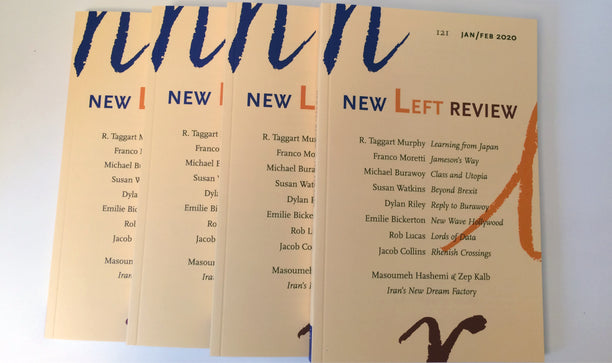
In this edition: Susan Watkins on the UK election, R. Taggart Murphy on Japan, and more.