
Who Owns the Park?
The continued existence of People's Park proves something dangerous: you, too, can seize something from the most powerful people in town, make it into whatever you want, and hold it for half a century.
The continued existence of People's Park proves something dangerous: you, too, can seize something from the most powerful people in town, make it into whatever you want, and hold it for half a century.

One of the most detailed accounts of the operation of prisons in England was published 100 years ago this year. Entitled English Prisons To-day, it provided a powerful indictment of the state of the country’s penal system, and as John Moore writes, it remains as relevant today as when it was written.
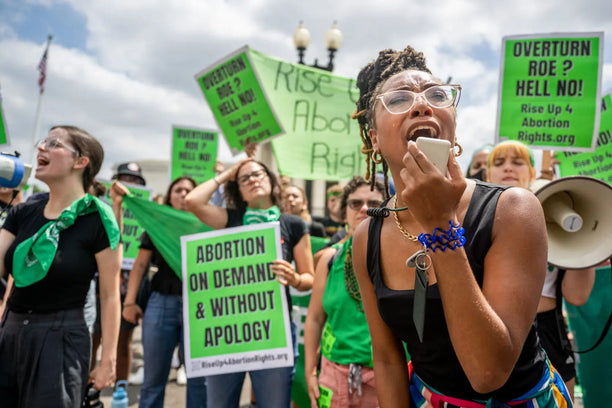
How can feminists in the U.S. learn from the succesful feminist struggles of Latin America? Susana Draper and Verónica Gago argue that, in light of the US Supreme Court's overturning of Roe vs. Wade, what is needed is a new cross-border dialogue between feminist movements in the north and south of the American continent.
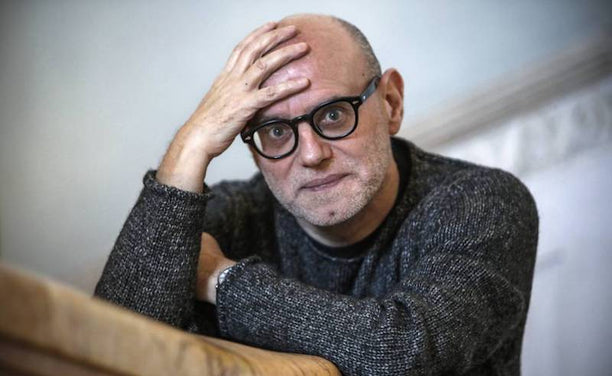
Historian Enzo Traverso on his latest book, Revolution: An Intellectual History.
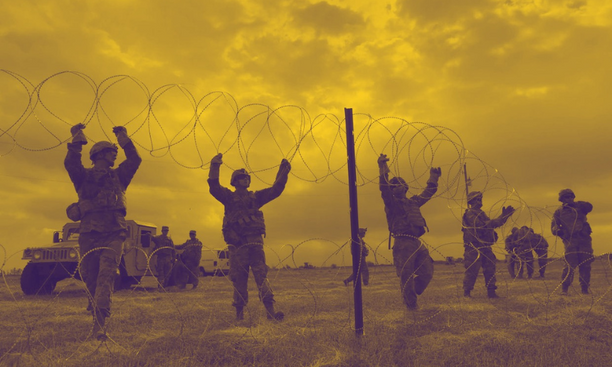
A reading list on the changing role of borders and how we consider freedom of movement, globalization, and humanitarian crises across the world.
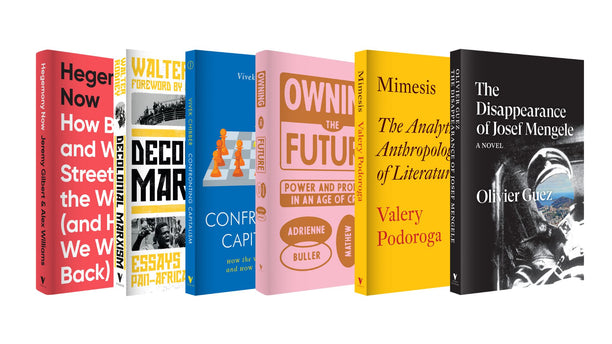
Here are the books coming out in August!
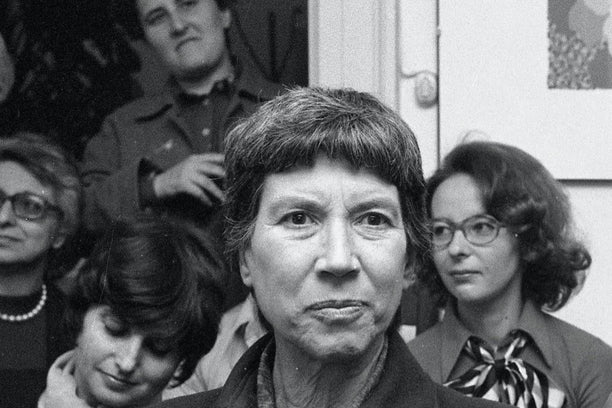
Recent years have seen a renewed appreciation of the writing of the post-War Italian novelist Natalia Ginzburg, not least her celebrated books Family Lexicon, All Our Yesterdays and The Dry Heart. Yet, missing in the reading of her work as the laureate of unfulfilling marriages, thwarted relationships and tangled families is both their political context and Ginzburg's fierce commitment to emancipatory politics.

Interview with legal scholar Alain Supiot.
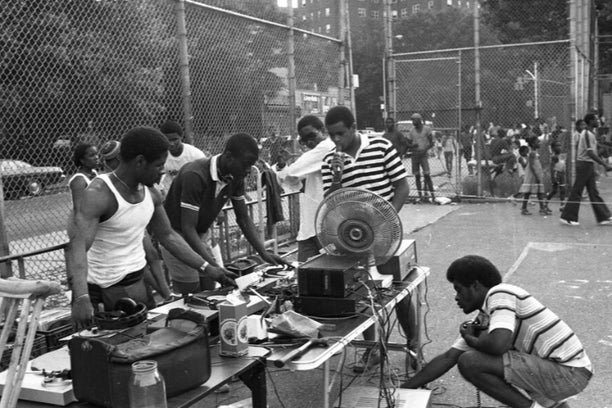
Philosopher and Bronx native Marshall Berman is justly remembered for his pioneering work on the experience of urban modernity. Less well known is his writing on the development of hip-hop. Here, Philippe Le Goff writes on the place of rap in Berman's work, and how the world of the South Bronx helped give the music form.
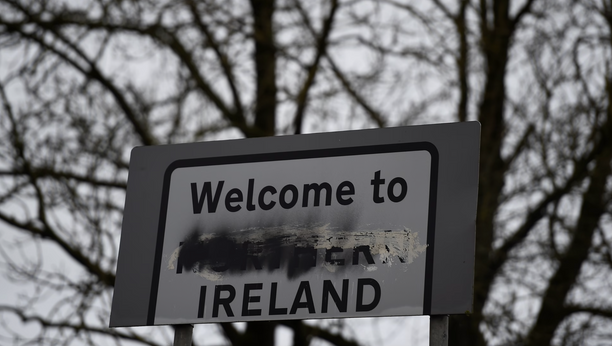
The 2016 Brexit referendum cracked much of the artifice of the Irish border, reigniting debates on partition and reunification on the island. Colin Gannon reports on the chances for, and stumbling blocks to, a renewed all-Ireland consciousness on the Irish left.
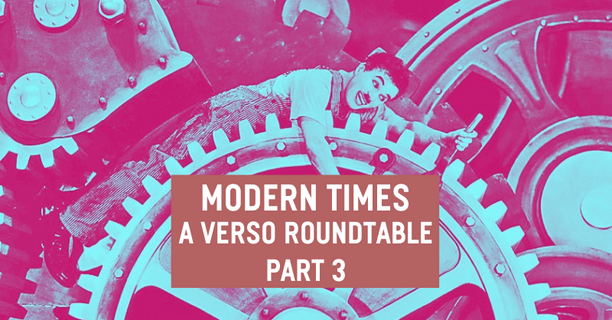
The time of emancipation, in Rancière’s imagination, is not a progression towards truth and justice. It is rather, Katharina Clausius argues, a common ground whose gridlines sprout delicate tendrils that extend out, coil around, germinate new shoots that spiral out beyond its boundaries.
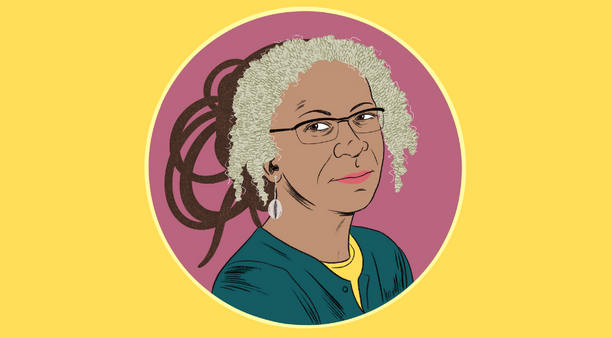
An excerpt from Ruth Wilson Gilmore's new essay collection.