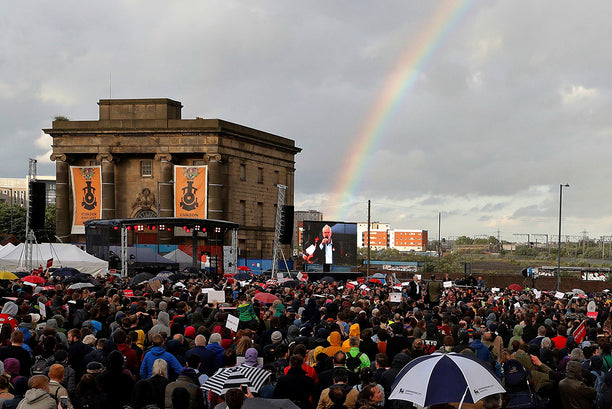
A Permanent Election
What would a left government in the UK would look like? James Butler examines the left's challenges in building the Corbyn surge into a wholesale political transformation.
What would a left government in the UK would look like? James Butler examines the left's challenges in building the Corbyn surge into a wholesale political transformation.
Decades ago, there was a local campaign of resistance against the construction of a second airport near the city of Nantes, in western France. This resistance culminated in the establishment of a self-organized autonomous zone, known as the ZAD. Over 40,000 people take part in creative acts of disobedience to defend this zone.
In this two-part film, by Roland Denning and Kyp Kiprianou for Dartmouth Films, looks to the origins of the movement and asks what it can teach activists across the globe.
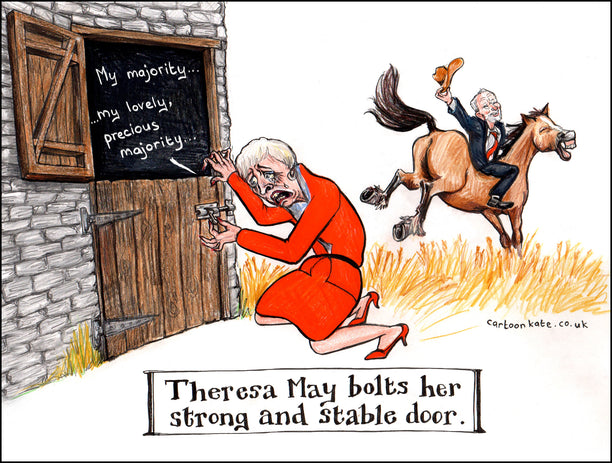
Theresa May after the election, by Kate Evans.



Cedric Durand's Fictitious Capital offers a lucid analysis of the growth of finance and its significance for capitalism. In this essay, originally published by Open Democracy, Durand surveys the current state of the global financial system.
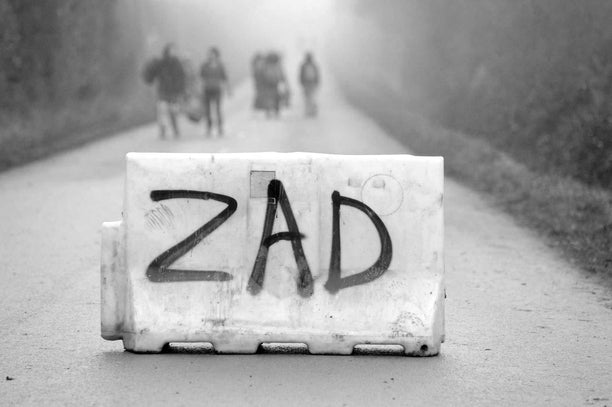
Two struggles, at present little-known within the English-speaking world, have come to define the ground of activist struggle in mainland Europe: the zad (Zone À Défendre - or the zone to defend), and NoTAV (the No to Treno ad Alta Velocità rail line). Each offers a continuation of the kinds of localised, spatial conflict whose genealogy can be traced from the Paris Commune, through Sanrizuka in Japan, the Zapatistas in Mexico and Standing Rock in America, whose form has been analysed most forcefully in the work of David Harvey.
In this extract from the introduction to the new ebook The Zad and NoTAV by the French collective Mauvaise Troupe, which offers English readers the first and most comprehensive narrative of the interlinked stories of the two movements, Kristin Ross offers an introduction to this "never-ending process of soldering together black bloc anarchists and nuns, retired farmers and vegan lesbian separatists, lawyers and autonomistas into a tenacious and effective community".

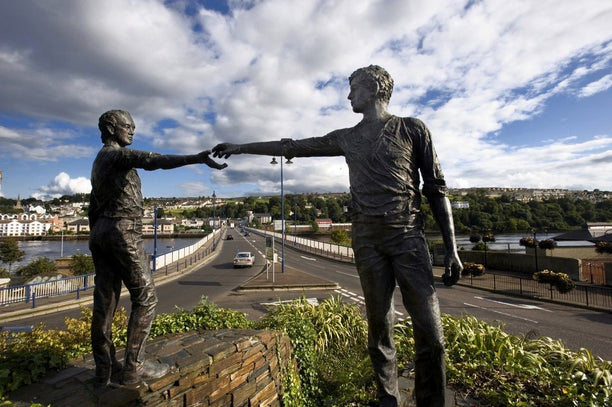
"We must look at the potential implications for human rights if the Good Friday Agreement were to break down, with a loss of neutrality in Westminster leading to a resurgence in the kind of violence that was stymied by the conclusion of the peace process."
Gracie Mae Bradley examines Theresa May's threats to remove human rights laws in light of a DUP alliance.

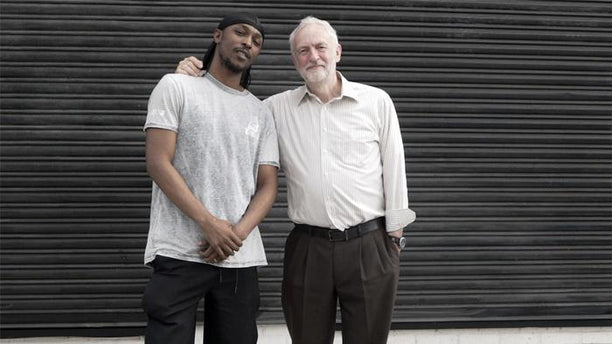
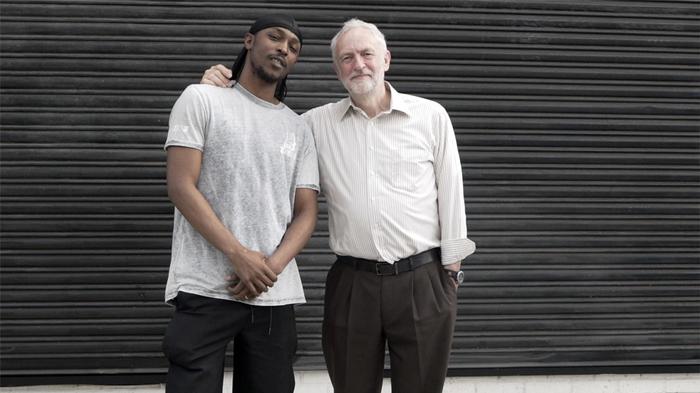
Without winning the vote, Jeremy Corbyn won the election. Raising Labour’s vote by the biggest margin since 1945, to 40 per cent, he added thirty-three seats to Labour’s total, when almost all pundits expected a Tory landslide.
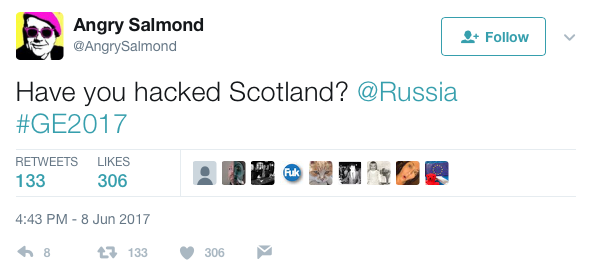
Scotland looks very different after the general election, with the strongest performance for Scottish Conservatives since 1983. Niki Seth-Smith looks at what lies ahead for Scottish politics.


In General Intellects, I offer condensed versions of twenty-one leading thinkers across a range of fields. but I did not include figures in anthropology, as I am still working my way through reading in what's going on there. I have been finding some exciting stuff. Elsewhere, I wrote about Anna Tsing and Achille Mbembe. Here's my report on the work of Brazilian anthropologist Eduardo Viveiros de Castro, author of the brilliant Cannibal Metaphysics, including notes on a recent collaboration with the Brazilian philosopher Déborah Danowski, called The Ends of the World.
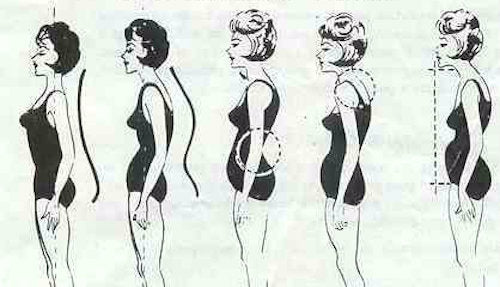

At the point at which we wrote these stories, we had not yet turned our attention to the way in which sexuality itself is constructed. Writing and discussing stories of this kind left us with a feeling of helplessness; how were we to identify means of defending ourselves against the forms of oppression they described? No matter how far back they went, these stories always depicted the results of an already existing repression of sexuality. Examining the notion of sexuality more closely, we found it to be represented and lived as oppression at the very moment of its emergence; thus its suppression could not be assumed, as we had hitherto believed, to consist solely in a prohibition of the sexual. But then, what is “the sexual”? In the first instance it seems clear that it is something that happens with our bodies. In an attempt then to discover the origins of our deficiencies and our discontents in the domain of the sexual, we decided at an early point in our research to focus our study on our relationships to our bodies and to their development.
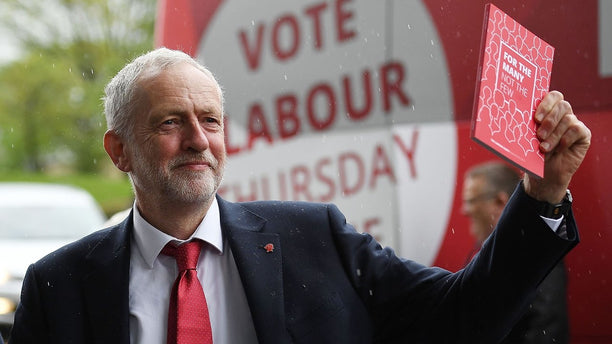
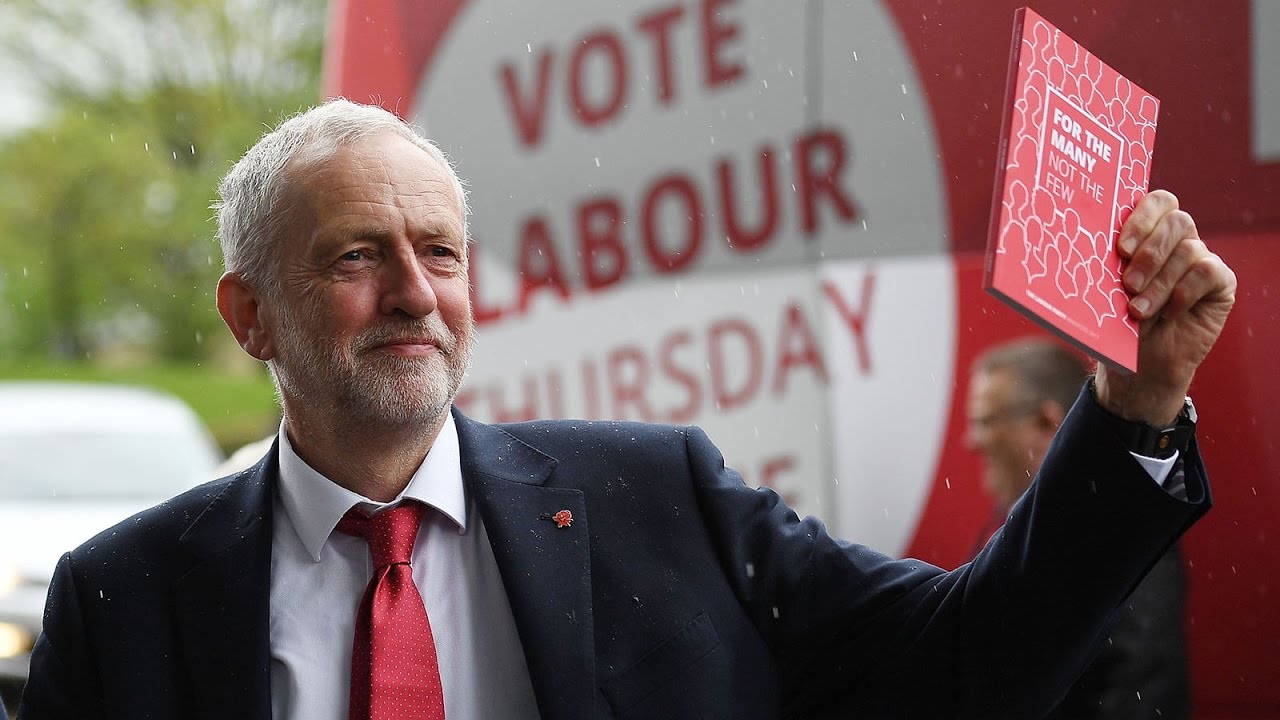
Corbyn’s accession to the leadership of the Labour Party, and the campaign conducted over the past six weeks, has shifted the space of the politically acceptable: talk of public ownership and common good, once deemed electoral poison, are back on the agenda.
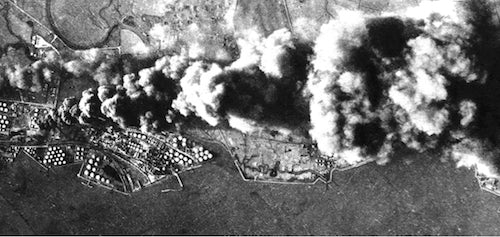
Brecht’s verses say uncomfortable truths rather than toe party lines and so offer us a still vital critique of the economic forces behind war, of how wartime rhetoric becomes a lie machine unfairly demonising and dehumanising our foes.