Blog

  • The Social Fabric of Chavismo

    The Social Fabric of Chavismo

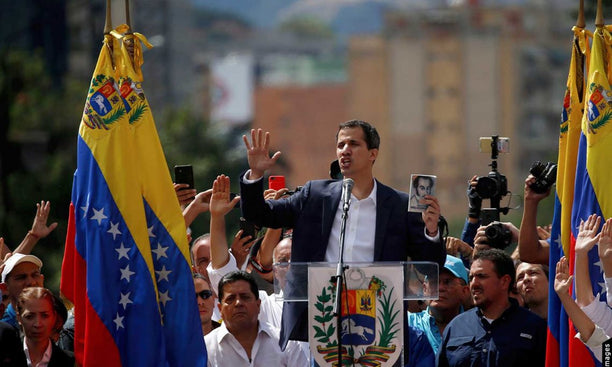
    On January 23, Juan Guaidó, who had recently been installed as president of the country’s opposition-led National Assembly, declared himself interim president of Venezuela in an attempt to oust the incumbent, Nicolás Maduro. But with Venezuelan society deeply divided, and the military continuing to support Maduro, it isn't clear how Guaidó can succeed. In this article, Marco Teruggi, who has spent the last six years observing first-hand this complexity as a participant in Venezuela’s communal project, reflects on the opposition’s attempt to form a parallel government and their failure to grasp the social reality of the Chavista base.
  • Erik Olin Wright (1947–2019)

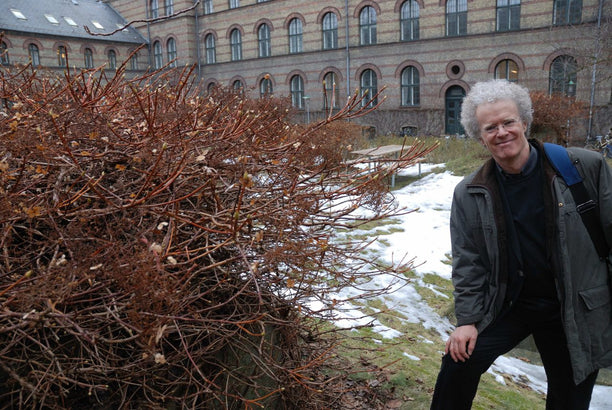
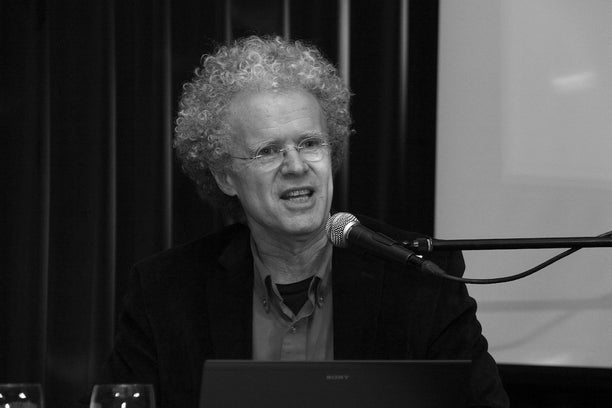
    Erik Olin Wright (1947–2019)

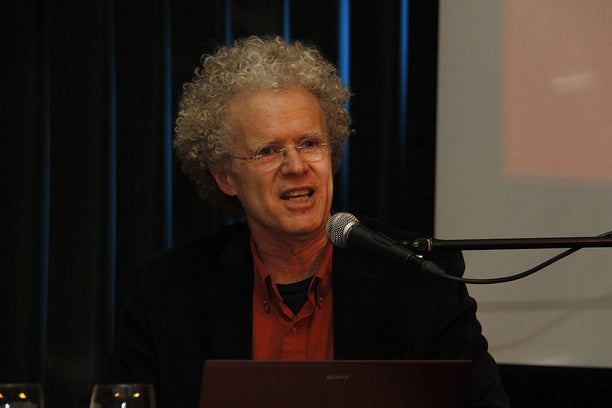
    Erik Olin Wright was radicalized in the 1960s and remained a Marxist because his moral compass simply wouldn't allow him to drift away. With his death, the Left has lost one of its most brilliant intellectuals.

  • Memory and History: On the Poverty of Remembering and Forgetting the Judeocide

    Memory and History: On the Poverty of Remembering and Forgetting the Judeocide

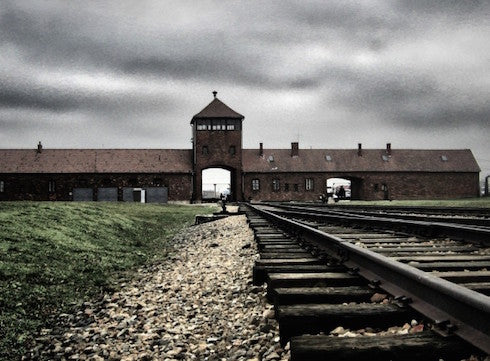
    Today is Holocaust Memorial Day, a day of commemoration dedicated to the remembrance of those who suffered in The Holocaust under Nazi persecution, and in subsequent genocides in Cambodia, Rwanda, Bosnia, Darfur and elsewhere. In this, an extract from Why Did the Heavens Not Darken?: The "Final Solution" in HistoryArno J. Mayer analyses the structure of rememberence and the task of the historian in relation to the Nazi Judeocide.

  • The Extradition of Cesare Battisti: Bolivia’s “Gift” to Italian Neofascism and “Brother” Bolsonaro

    The Extradition of Cesare Battisti: Bolivia’s “Gift” to Italian Neofascism and “Brother” Bolsonaro

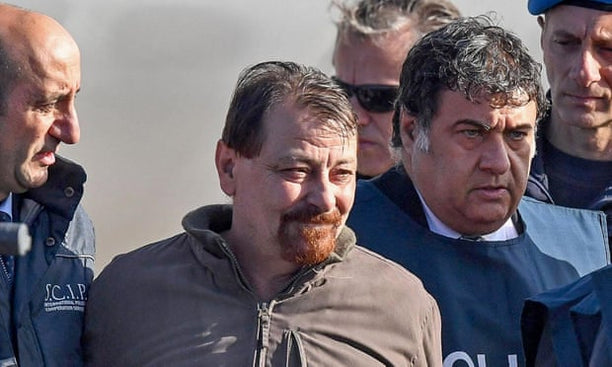
    The extradition of Cesare Battisti, crime novelist and former Italian leftwing militant who had been living in exile in France and Brazil since the late 1970s, demonstrates a worrying new level of collusion between right-wing governments in Europe and Latin America. However, Battisti's arrest occured in Bolivia and with the approval of the country's left-wing leader Evo Morales. In this article, Pablo Stefanoni argues that Bolivia's president has found himself tangled up in an operation that goes to the heart of an emerging new extreme-right international.

  • Rudolf Diesel’s failed utopia

    Rudolf Diesel’s failed utopia

    The German engineer invented the engine that would bear his name to contribute to the development of agriculture. The success of this technology has made it the fuel of economic globalization, with peak oil and tens of thousands of premature deaths.

  • Can Fascism Return? A View from Argentina

    Can Fascism Return? A View from Argentina

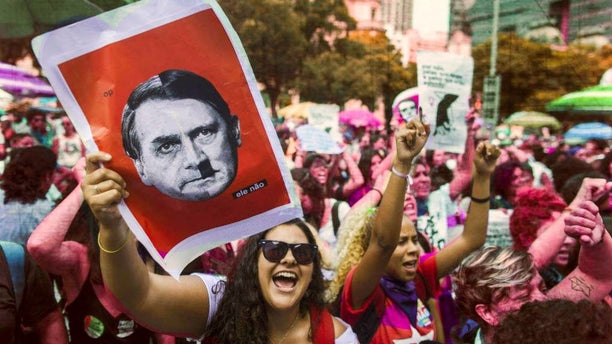
    Can fascism return? The rise of strongmen leaders across the world, the latest being Brazil's President Jair Bolsonaro, has seen this question being asked with increasing frequency. In this article, Diego Sztulwark argues that we need a fully historical analysis of fascism which asks into the political and historical forces and circumstances that give rise to fascism, and about the conditions of possibility for a non-fascist life.  

  • Wolfgang Fernbach and the “Spartacus uprising”

    Wolfgang Fernbach and the “Spartacus uprising”

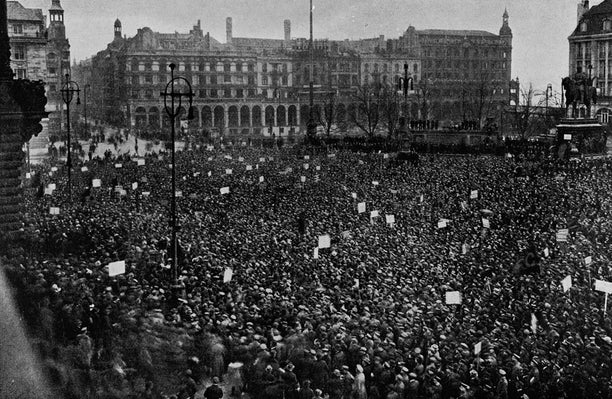
    This January is the centenary of the Spartacus Uprising in Germany. The most famous victims of the wave of repression that followed were Rosa Luxemburg and Karl Liebknecht, but one of the first victims of the counter-revolutionary violence was Wolfgang Fernbach. In this article, his grandson David Fernbach discusses his life and legacy.

  • With the ‘gilets jaunes’: against representation, for democracy

    With the ‘gilets jaunes’: against representation, for democracy

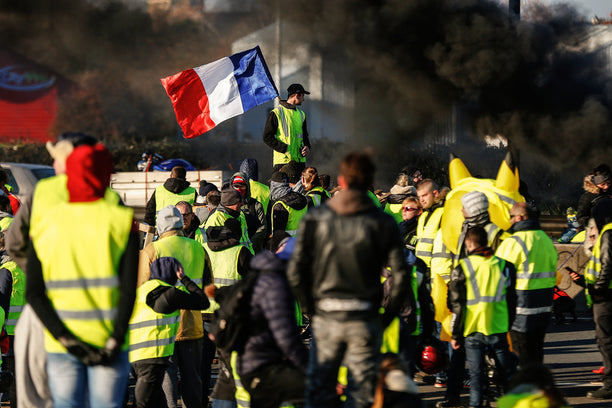
    The Gilet Jaunes protests have rocked the French political establishment in recent months. There has rarely been a president as hated as Macron is today, and his leadership looks increasingly enfeebled. In this article, Dardot and Laval analyse the protests and what they might mean for French poltics.

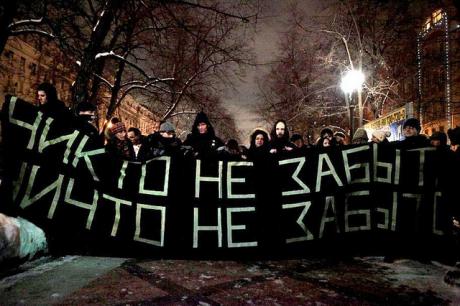
  • Moscow 2012: March in memory of Stanislav Markelov and Anastasia Baburova. CC BY-NC 2.0 Vladimir Varfolomeev / Flickr. Some rights reserved.

    To remember is to fight: the legacy of Russian activist lawyer Stanislav Markelov

    Ten years ago this month, Russian human rights advocate and journalist Stanislav Markelov was shot and killed by a Russian ultranationalist Nikita Tikhonov on a busy Moscow street. The aftermath of the murder helped to bring to light the collusion between the Russian state and the nexus of ultranationalist groups responsible for Stanislav Markelov's killing. In this article Thomas Rowley and Guiliano Vivaldi analyse the events that lead up to the murder, and Markelov's incredible work fighting for the oppressed in Russia.