
Mike Davis on becoming a Marxist
After losing a coveted niche in the trucking industry, I started UCLA as an adult freshman, attracted by rumors of a high-powered seminar on Capital led by Bob Brenner in the History Department.
After losing a coveted niche in the trucking industry, I started UCLA as an adult freshman, attracted by rumors of a high-powered seminar on Capital led by Bob Brenner in the History Department.

Adam Shatz's classic profile of Mike Davis from 1997. Shatz touches on the writing and success of City of Quartz, Davis's time working at New Left Review, and his general refusal to uncritically follow the postmodern trends of class-skeptical left intellectual life into the late 20th century.

An ecological transition is essential to ensure the continued habitability of our planet, but any such transition will be unsuccessful if it does not come as much from below as from on high. In this article, Cédric Durand and Razmig Keucheyan outline the path to a democratic green transition.

Political theorist George Comninel, author of Rethinking the French Revolution, passed away in August 2022. In this critical obituary, Jordy Cummings reflects on Comninel's scholarship and complicated political life.

The Tories must find new ways of winning over the rising generation of voters. Not a simple task.

The author Hilary Mantel, who died on the 22nd September at the age of 70, is best remembered as the celebrated author of the Wolf Hall trilogy that follows the rise to power of Thomas Cromwell in the court of Henry VIII. In this interview with John Rees and Paul McGarr, originally published after the release of her great historical novel about the French Revolution A Place of Greater Safety in 1992, she discusses her early political formation on the left, and the relationship between politics and literature.

In the third and final installment of this interview series, Jacques Rancière reflects on May 1968 and neoliberalism in order to contextualise his work criticising the Althusserian distinction between science and ideology, as well as to shed light on how his own philosophy developed in relation to those of Althusser, Bourdieu, and Foucault.
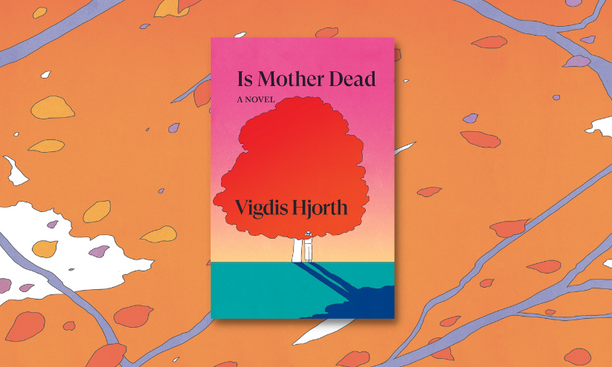
"I found very appealing the idea of a surveillance spiral between a mother and her daughter"—artist, María Medem, talks us through the design process for Is Mother Dead.

Charisse Burden-Stelly and Jodi Dean introduce Claudia Jone's essay, "An End to the Neglect of the Problems of the Negro Woman!,” an essay that extends and complements the crucial and hard-to-access writings collected in Organize, Fight, Win.
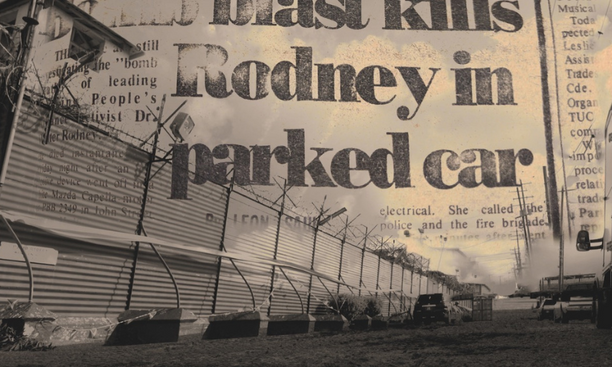
Walter Rodney’s life and legacy — explored in literature and on screen.
In this second interview of the "Critique of the School in Post-’68 French Thought" series, Roger Establet details his experience as a member of the Althusserian research group on "the school" and, in particular, Pierre Bourdieu's influence on their thinking.

Raina Lipsitz looks to Miami for lessons from a radical Black-led abolitionist organization.