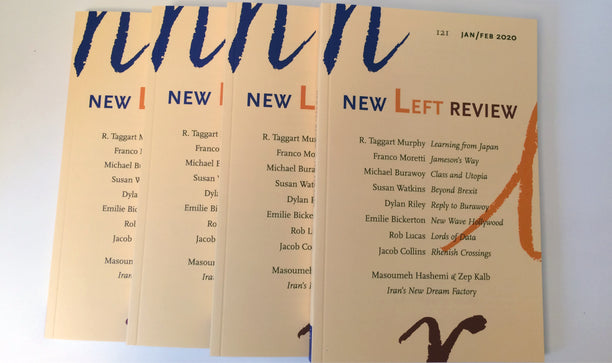
New Left Review, Latest Issue Now Online
In this edition: Susan Watkins on the UK election, R. Taggart Murphy on Japan, and more.
In this edition: Susan Watkins on the UK election, R. Taggart Murphy on Japan, and more.

What are the roots of the current crisis of democracy? How should we understand the simultaneity of contemporary revolts? Fifteen years after the publication of his book Hatred of Democracy, Jacques Rancière returns to its themes.

Andrew Weatherall (1963-2020), DJ, radio host and cultural catalyst died on 17th February 2020 at the age of 56. His prolific career and huge influence changed the British musical landscape. Jessica Thorne and Seth Wheeler pay tribute to this visionary artist, and chart his formation in the radical milieu of Windsor.

Len McCluskey joins Alex Doherty to talk about his new Verso book, Why You Should Be A Trade Unionist, on this episode of the Politics Theory Other podcast.

This week we're thinking about love, desire and relationships, at the intersection of capitalism, the state, and heteronormativity. And, Love Island.

Good sex shouldn't depend on faultless self-knowledge. Katherine Angel puts forward the case for desire's emergent and contextual nature.

Marie Edwards' powerful feminist manifesto from 1974.

Moving with trends across the economy, people increasingly purchase their clothes online. But what has this done to labour in the fashion industry? Here, Angela McRobbie writes on the new political economy of fashion, and the degradation of labour in this traditionally feminised sector.

From Charlotte Brontë to Carrie Bradshaw, via Betty Friedan: Leslie Kern on how urban architecture has expanded and constrained women's freedom to live independently and without men.

Despite its flagrant impossibility, heterosexuality can inspire a utopian love of difference in those who choose to follow its path, argues Sophie Lewis. Just don't look to the 'straight camp' of Love Island for inspiration.
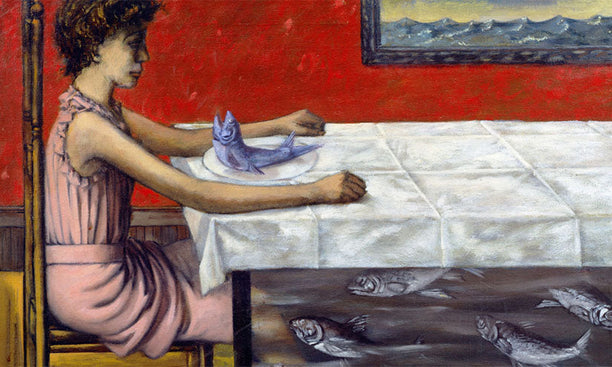
Natasha Lennard reflects on the enduring necessity of marriage in order to prove one's love to the state.

For feminists, this election presents a clear choice — between advancing the interests of 1 percent of women and fighting for the liberation of the rest. Bernie Sanders is on the side of the 99 percent.