
Tomorrow Sex Will Be Good Again: a Letter from the Editor
"It’s an intimate revolution of a book. If enough people read it, well—we’ll all have Katherine to thank for making our tomorrows much, much better." – Jessie Kindig, editor
"It’s an intimate revolution of a book. If enough people read it, well—we’ll all have Katherine to thank for making our tomorrows much, much better." – Jessie Kindig, editor
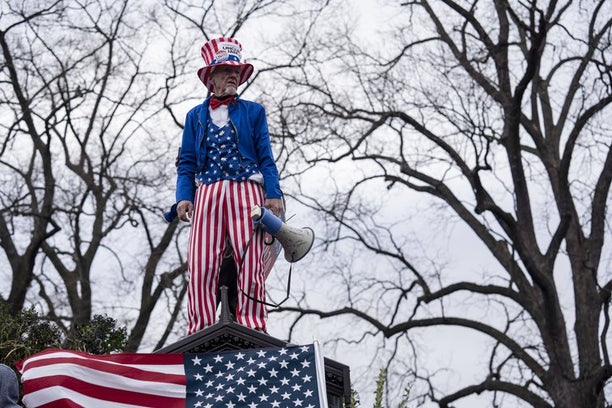
Jacques Ranciere reflects on the end of the Trump presidency and asks how this decline into unreason reconstructed what democracy means
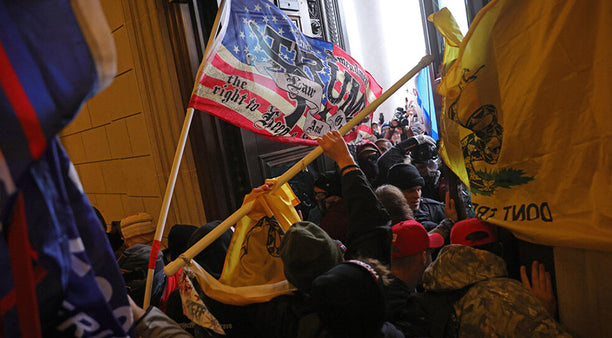
Chris Vials explores the history of fascism under Mussolini and in Latin America to interpret the mayhem at the Capitol on January 6.

Korean trade union leader Kim Jin-suk battles COVID-19, winter, and breast cancer to send a message to profit-making corporations—and keep the promsie of Korea's pro-democracy movement alive.
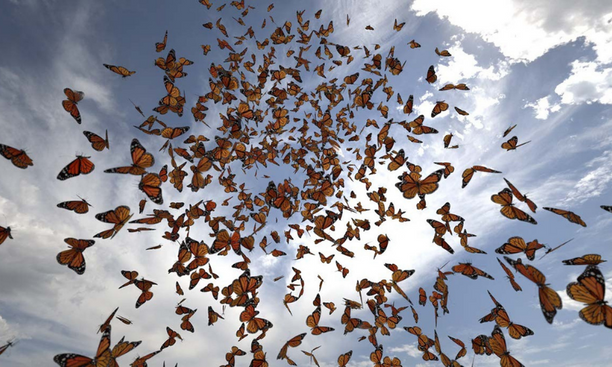
Keller Easterling, author of Medium Design, surveys the thinkers, ideas and books that have influenced her most recent work, a radical reimagining of what the politics of design can be, and how we can use it.
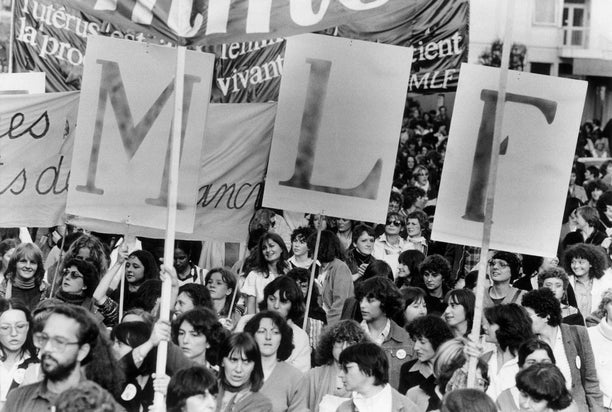
In an interview Christine Delphy relives the formation of the MLF, the women's liberation movement in France, in 1970, and demands that the struggle continue

Includes Mike Davis, Grace Blakeley, Pankaj Mishra, and more.

The latest episode of the podcast Politics Theory Other, with guest Andreas Malm, author of How to Blow Up a Pipeline.
In conversation with Jérôme Skalski, the Marxist philosopher explores the connections between History, Communism and Socialism.

We are now coming upon the 10th anniversary of the wave of uprisings and revolutions that swept the Middle East and North Africa between 2010 and 2012. These uprisings were most vividly transmitted throughout the world not by television or even social media, but in short videos produced by the participants themselves and circulated anonymously on the internet. In The People Are Not an Image, Snowdon explores this radical shift in revolutionary self-representation, showing that the political consequences of these videos cannot be located without reference to their aesthetic form.
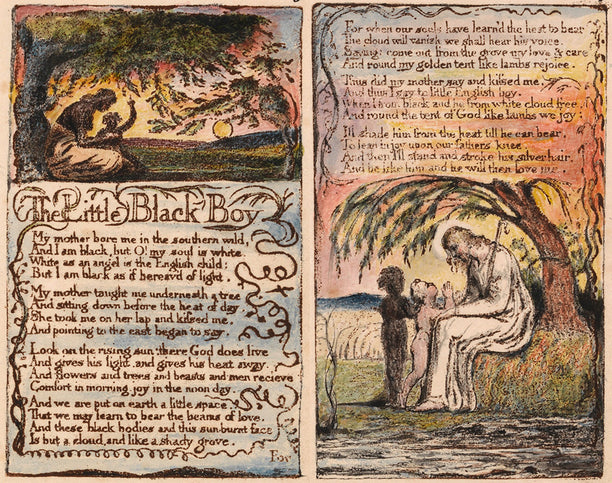
Matt Sandler considers the poet Louise Glück’s controversial Nobel Prize lecture, asking "Is minstrelsy really the first step on the way to white self-knowledge?"
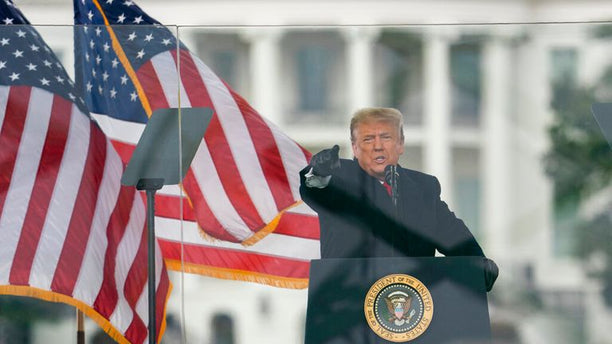
Peter E. Gordon questions what really caused the anti-democratic assault on the Capitol and whether we should call the President a fascist.