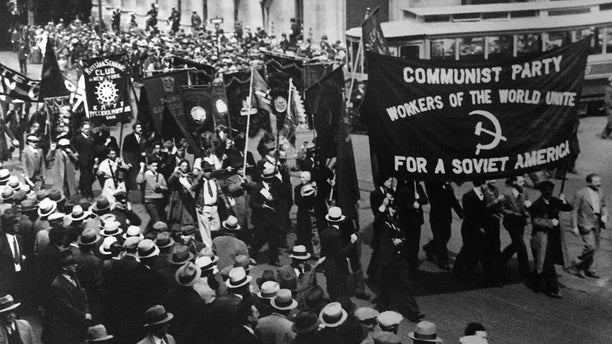
Politics, Theory, Other #90: The Romance of American Communism
Vivian Gornick on her classic book on the lives of members of the American Communist Party, on the Politics Theory Other podcast.
Vivian Gornick on her classic book on the lives of members of the American Communist Party, on the Politics Theory Other podcast.
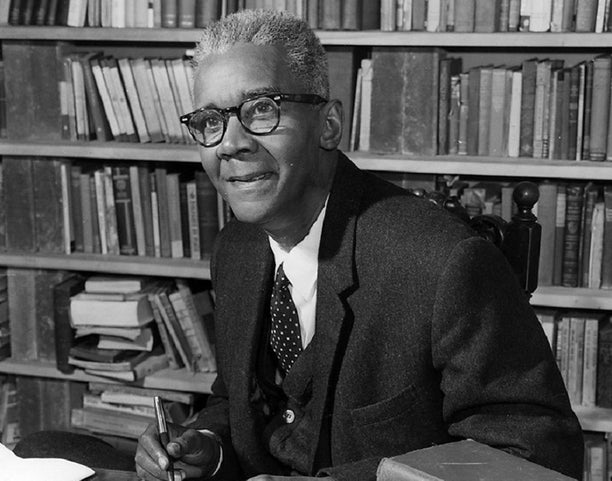
From its very beginning at the end of the eighteenth century, the Negro struggle for freedom and equality has been an international question. It would seem that the irrationality of the prejudice against Negroes breeds in revolutionary periods a corresponding intensity of loathing for its practitioners among the great masses of the people.

Luci Cavallero and Verónica Gago on on the compounding crises of personal debt, a pandemic recession, and patriarchal power
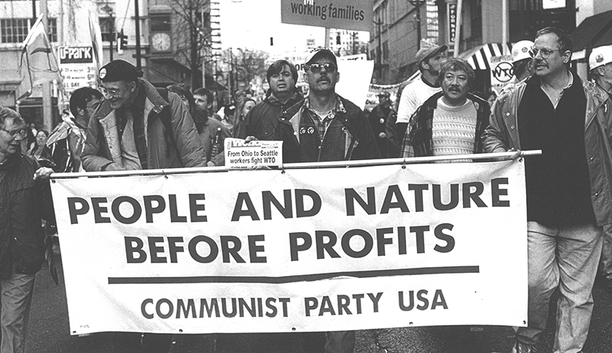
As protests work to remake the world, the reissue of Vivian Gornick’s The Romance of American Communism invites a new generation to reflect on what it means to live a life of political commitment—where the passionate pursuit of justice meets organized political action.
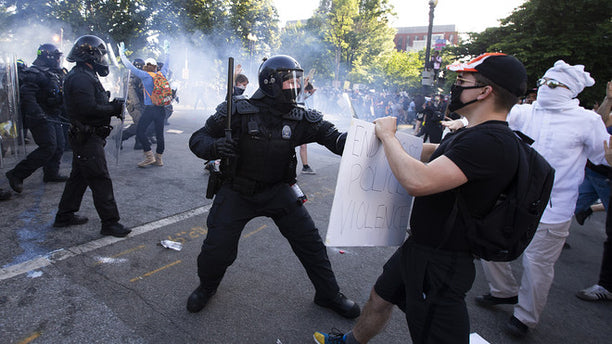
This is the final article in a five-part series examining the ‘imperial boomerang effect’ and its operation in a range of contexts
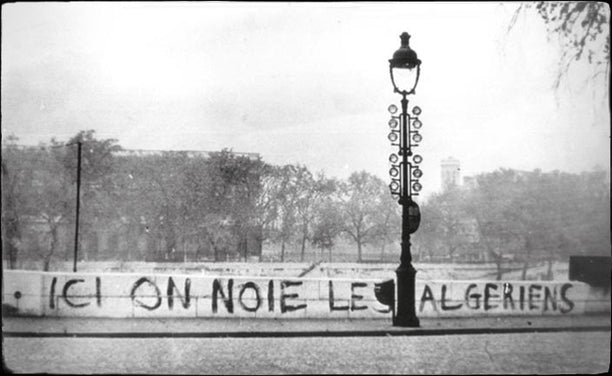
The methods of repression deployed by the French state in Paris were almost carbon copies of some of those developed to crush the National Liberation Front, pointing to a continuing legacy of French colonialism within the metropolis itself.

London is a city addicted to finance capitalism and a wealth economy, built to attract and sustain the super-rich. It provides a world of seclusion, luxury and comfort for the wealthy, disconnected from the wider city.

Mario Tronti and Marcello Tarì set out a programme of how to stand back from the world in this current crisis

A 2012 Amnesty International study found that between 2001 and 2012 more than 500 people had been killed by police in the United States and Canada after being Tasered. In nearly all cases, Tasers were used against unarmed people as a pain compliance tactic.
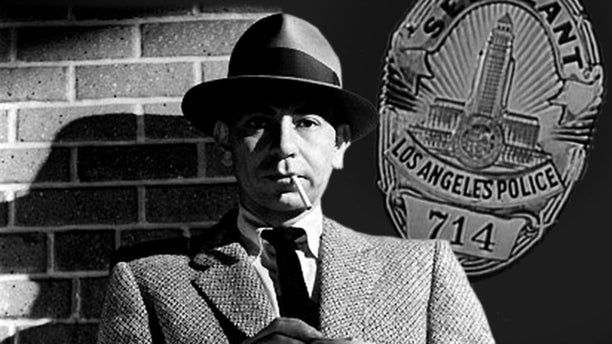
LAPD Chief William H. Parker was initially wary of Dragnet but also saw the opportunity to publicize his views on law and order. LAPD advisors closely examined the script to guarantee that the LAPD officers on Dragnet were ethical, efficient, terse and white.
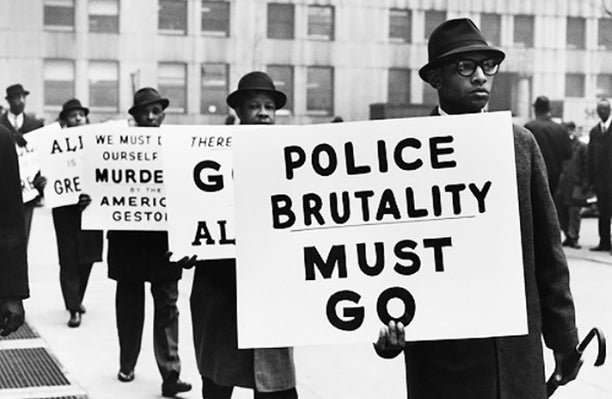
Racist narratives of law and order were mobilized to expand policing and prisons at the very moment when structural unemployment became a permanent feature of the political economy. Instead of addressing its structural issues, the U.S. state chose to incarcerate the crisis.
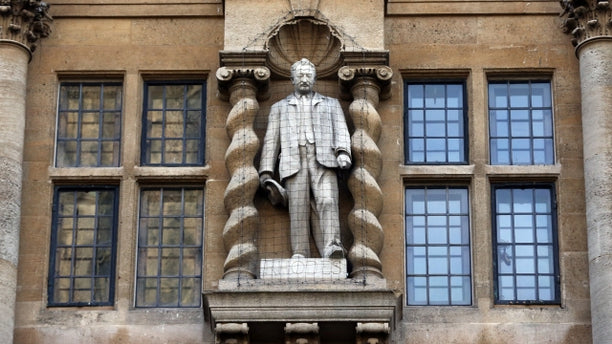
Rahul Rao on how Nelson Mandela is used against the 'Rhodes Must Fall' Campaign