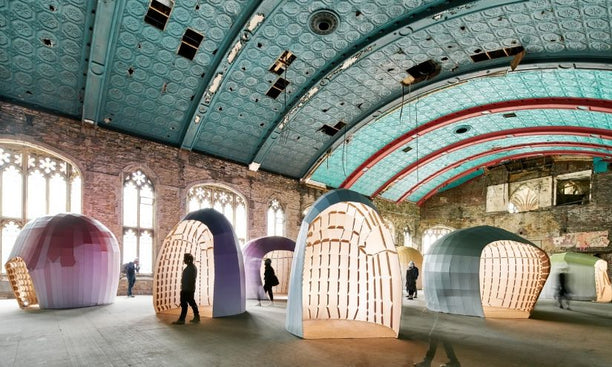
Making New Futures: Art and Community during a Pandemic
Lauren Velvick on the ways community arts organisations and festivals in Blackburn and Lincoln have responded to the economic and social effects of Covid-19.
Lauren Velvick on the ways community arts organisations and festivals in Blackburn and Lincoln have responded to the economic and social effects of Covid-19.
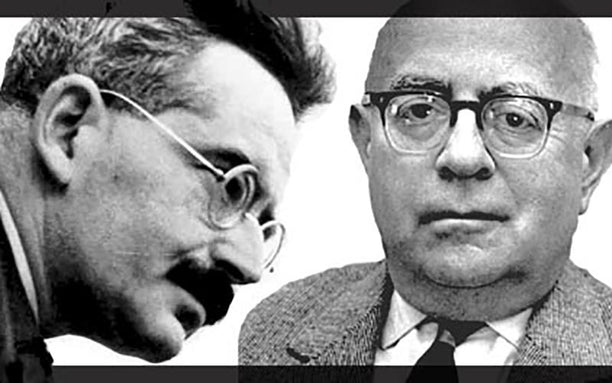
Dialectical thought is an attempt to break through the coercion of logic by its own means. But since it must use these means, it is at every moment in danger of itself acquiring a coercive character: the ruse of reason would like to hold sway over the dialectic too.
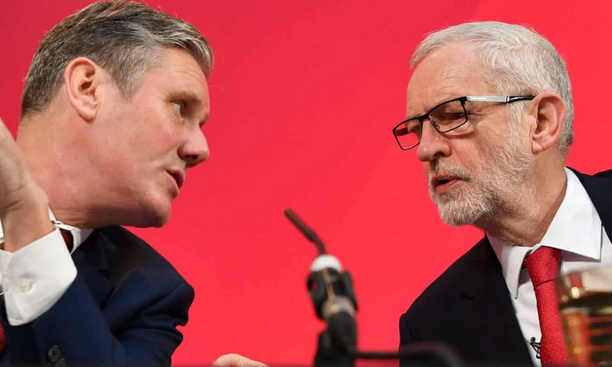
Amid the lockdown, Labour has elected its new leader. Momentum co-founder and former Corbyn aide James Schneider gives a unique insight into the Corbyn years and weighs the prospects for the British left in the age of Keir Starmer.
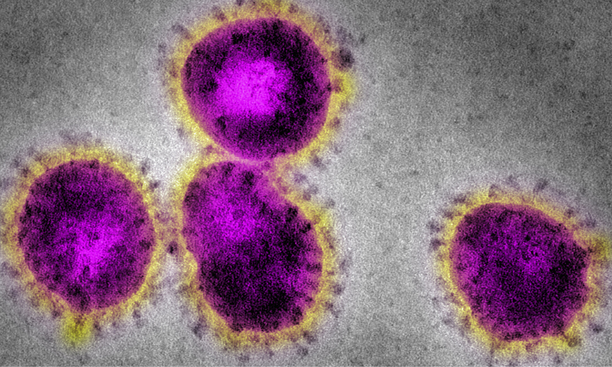
Franco 'Bifo' Berardi charts the spiralling collapse of the social order under the effects of COVID-19.
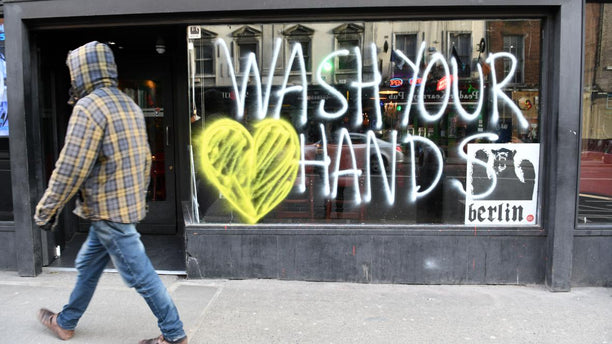
Crises are always moments of decisions. They are moments when we must set out what our priorities are, and asks us how we can achieve them. Peter Hallward argues that the present one caused by the Covid-19 pandemic, could provide the immediate conditions for a new way of living. The clock is ticking, and the stakes are clear. What are we going to do?
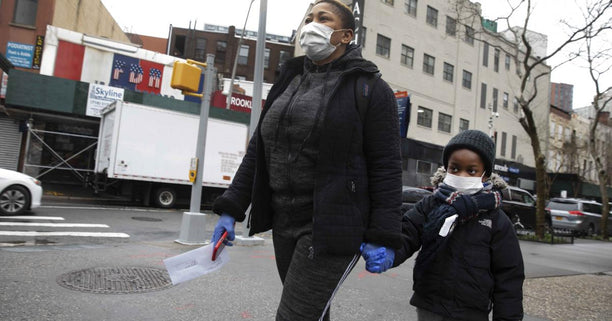
Could COVID-19 provide the global wake-up call the world needs?
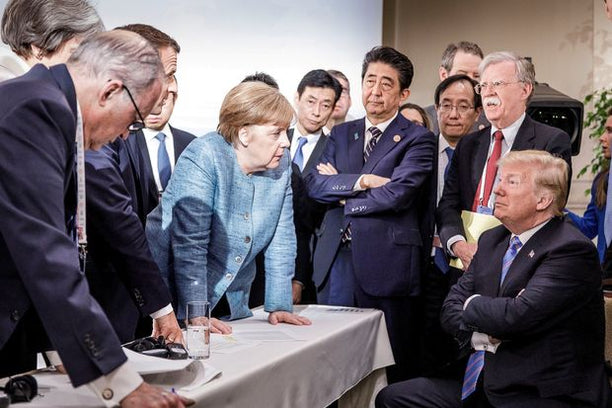
The introduction to Chantal Mouffe's The Return of the Political, a critique of liberal democracy's inability to understand the problems of ethnic, religious and nationalist conflicts.
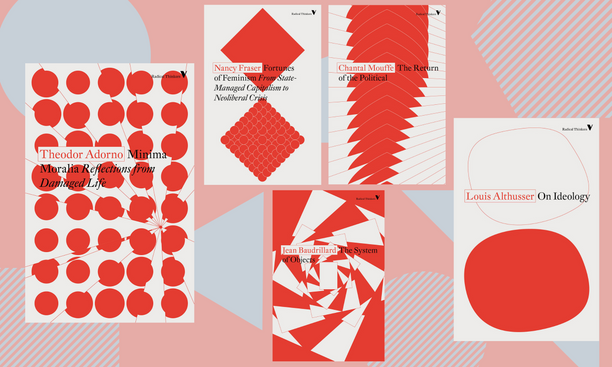
5 of our classic Radical Thinkers: reissued for our 50th year.

Paige Murphy and Tayler Hackett discuss the impact of the Covid-19 pandemic and ensuing lockdown on the lives of sex workers in the UK
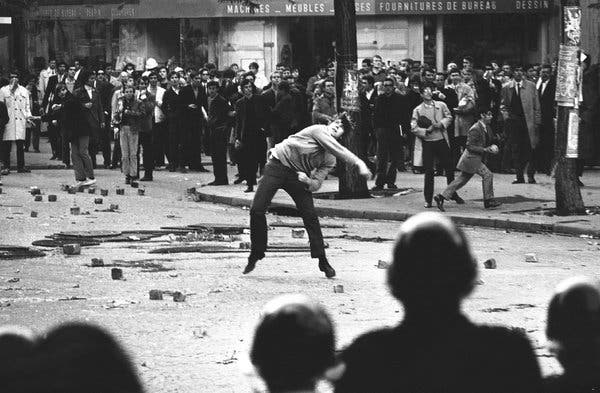
The State is a 'machine' of repression, which enables the ruling classes to ensure their domination over the working class, thus enabling the former to subject the latter to the process of surplus-value extortion (i.e. to capitalist exploitation).
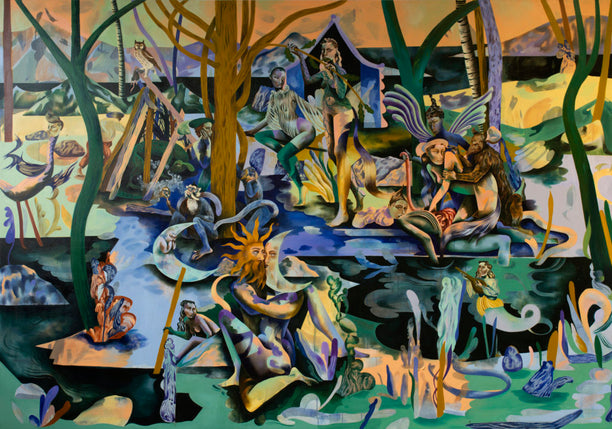
To combat the subordination of women requires an approach that combines a politics of redistribution with a politics of recognition.
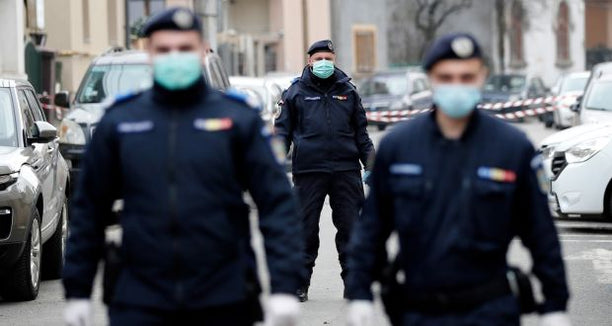
With the COVID-19 pandemic increasing in severity by the day, governments across the world have invoked viral metaphors to effect emergency legislation, in the process clamping down on civil liberties. In such a circumstance, what can the work of those who have studied liberal regimes' propensity to make the state of exception the rule, such as Giorgio Agamben and Carl Schmitt, offer to us – if anything at all?