
Returning to London I
Much has changed in London the past 60 years but the extreme inequality at display in the streets remains. Patrick Joyce strolls through his old home city.
Much has changed in London the past 60 years but the extreme inequality at display in the streets remains. Patrick Joyce strolls through his old home city.
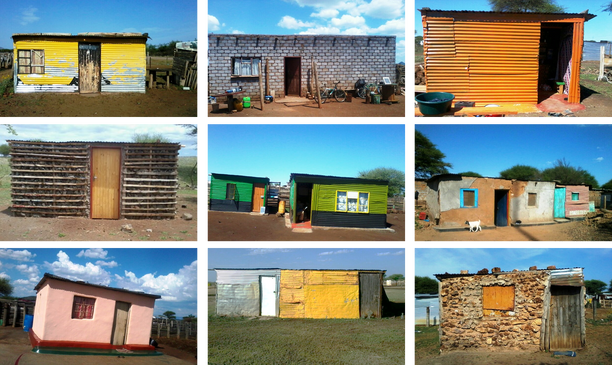
AbdouMaliq Simone offers some reflections on Keller Easterling’s Medium Design and wonders how we might rethink the process of design - urban, social, political - from within the middle of things.

Leslie Kern asks how we can create a feminist city and what tools women can use to support each other.

Leslie Kern discusses the care work and feminized labor that keeps cities running, asking: once the global pandemic subsides, will care work be forced back into obscurity, or will we work to re-organize our cities in ways that support, value, and redistribute care more equitably?
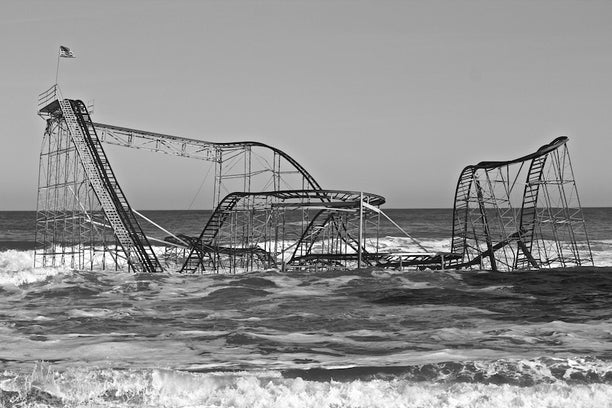
The stark inequality of "extreme cities" is going to be exacerbated and tested by the effects of climate change.

Mike Davis pays tribute to architect and critic Michael Sorkin, who has died aged 71 of complications caused by Covid-19.

An excerpt from What Comes Up: The Right and Wrongs to the City.

In his new book Capital City, Sam Stein describes how one of the tasks of urban planners is to make capitalist development appear to be in the rational best interests of workers and bosses alike.
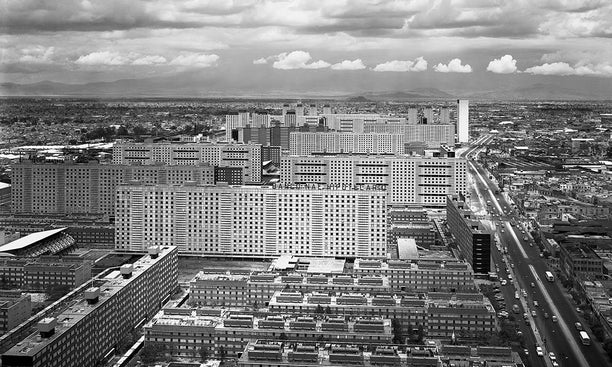
Key reading on our cities and the geography of inequality, politics, and identity.
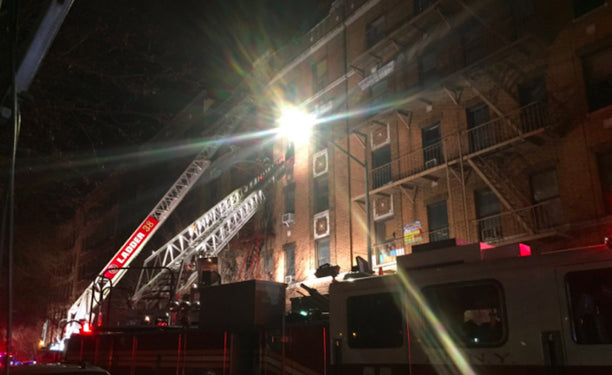
New York City and the real estate interests that run it decided long ago that working class lives are worth gambling with.

Jennifer Wolch conceptualizes an urban theory that takes nonhumans seriously.

Rebecca Omonira-Oyekanmi reports on a deportation in London in this excerpt from The Right to the City.