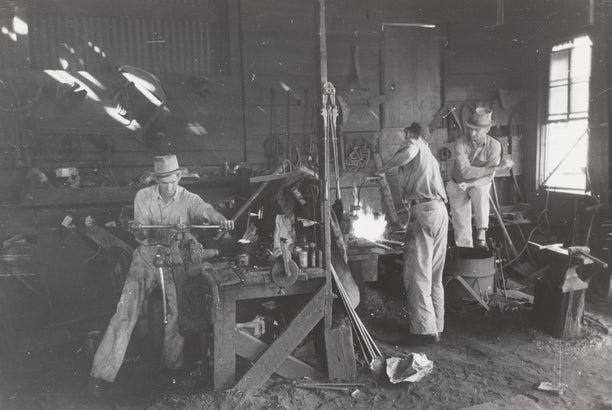
On the meaning of "work"
What we mean when we talk about "work" is a product of a particular historical process. But does the semantic ambiguity of the word pose problems for any conception of a "post-work" world?
What we mean when we talk about "work" is a product of a particular historical process. But does the semantic ambiguity of the word pose problems for any conception of a "post-work" world?
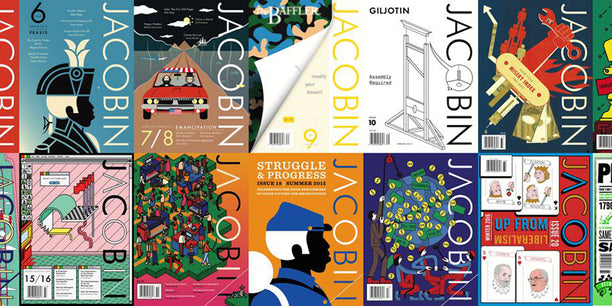
Special offers from some of our favorite magazines including Jacobin, n+1, Salvage and New Left Review.
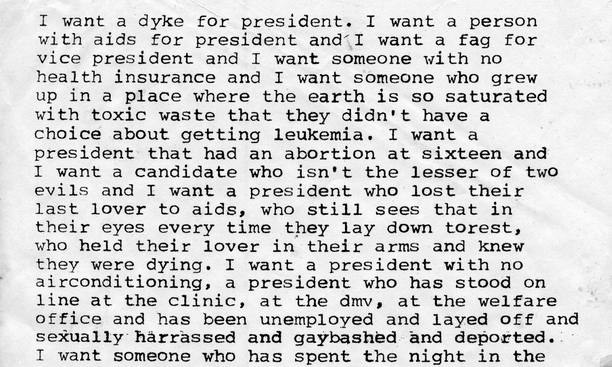
"A wholly unruly, ahistorical riot" – Jessie Kindig, Verso Editor, on the publication of Burn It Down! Feminist Manifestos for the Revolution.

"A novel about the cost of a stamp becomes a captivating and utterly unique study of society, language and love". – Cian McCourt, Verso Editor, on the publication of Long Live the Post Horn!
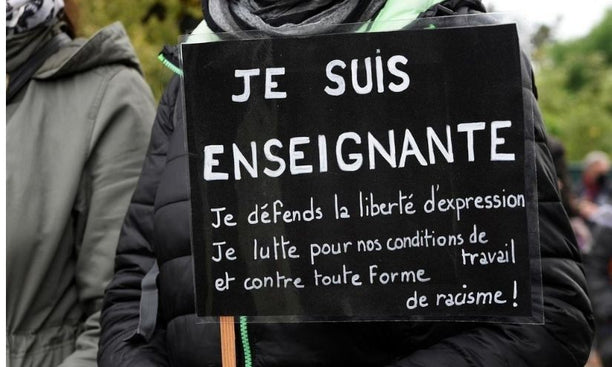
Pierre Tevanian reflects on the killing of the teacher Samuel Paty, and the reaction from the French media, government and public.
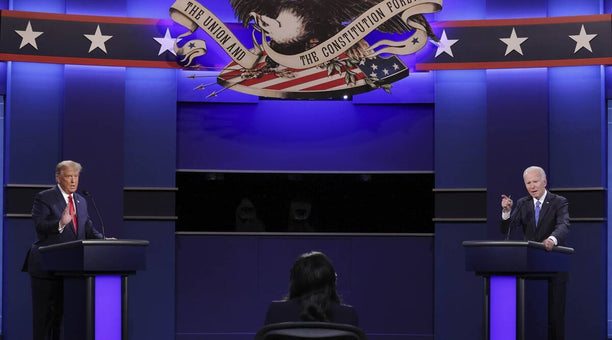
Adom Getachew and Branko Marcetic on the US election results, why the 'blue wave' failed to materialise and how Joe Biden will govern with a Republican senate and a republican majority on the supreme court, with Alex Doherty on the Politics Theory Other podcast.
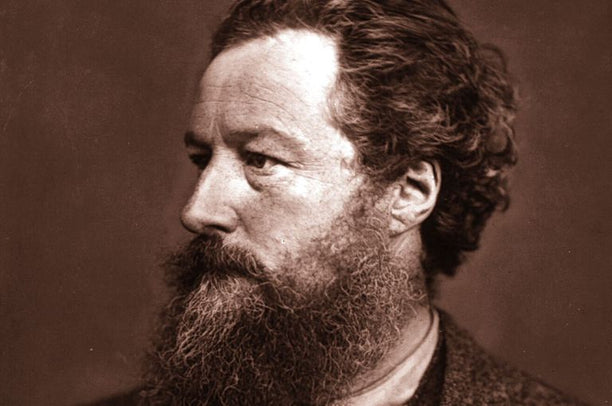
William Morris is today remembered mainly for his designs. But, during his life he was one a prolific political journalist and socialist activist. Here, Peter Halton argues for the enduring relevance of his anti-imperialist writings.

"Among the books that will help us ascend from what Marx termed the realm of necessity to the realm of freedom, this is a pivotal contribution." – Tom Hazeldine, Verso Editor, on the publication of Automation and the Future of Work.
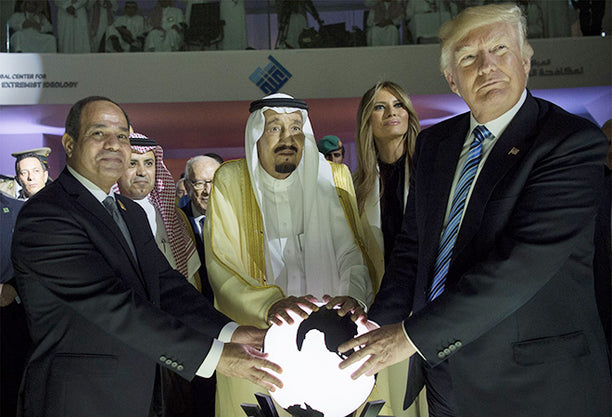
What will the results of the face-off between Donald Trump and Joe Biden mean for American relations in the Middle East? And what, if anything, would change with a Biden presidency?
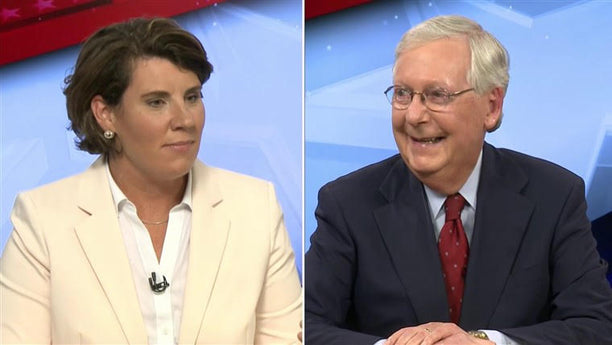
Appalachia has the highest concentration of white poverty in the nation. Now in 2020, years after Vance, Hochschild, and 'the Red State Revolt', Tarence Ray provides a new view from the heart of so-called "Trump Country."
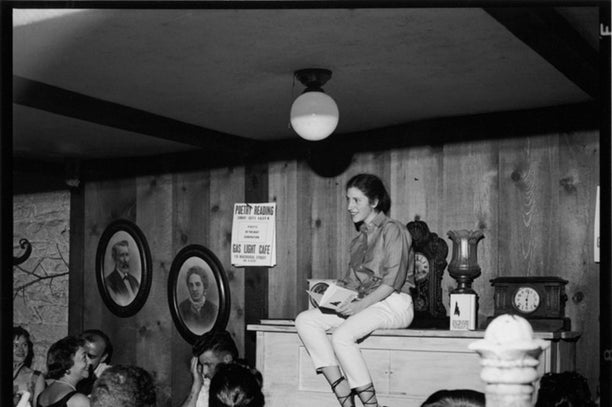
The poet Diane di Prima died at the age of 86 on the 25th October. A celebrated writer and political activist, her work included the much-celebrated Revolutionary Letters. Here, Momtaza Mehri reflects on di Prima's work and legacy.
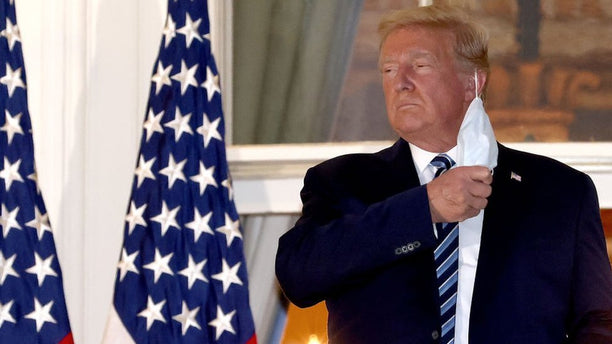
In the age of pandemics, when the health of all is at risk, what do the new strongman leaders tell us about the nature of contemporary politics?