
Politics Theory Other 99: Morrissey, Nationalism and the Aesthetics of English Misery
The latest episode of Politics Theory Other, a podcast supported by Verso Books.
The latest episode of Politics Theory Other, a podcast supported by Verso Books.

Until relatively recently, Jacques Derrida was seen by many as nothing more than the high priest of Deconstruction, by turns stimulating and fascinating, yet always somewhat disengaged from the central political questions of our time. Or so it seemed. Derrida's “political turn,” marked especially by the appearance of Specters of Marx, has surprised some and delighted others.

Receive ALL of our new ebooks every month as well as one or more new books in the mail. Now at a discount of 50% to celebrate Verso’s 50th year, all subscribers will also get 50% off ALL of our books.
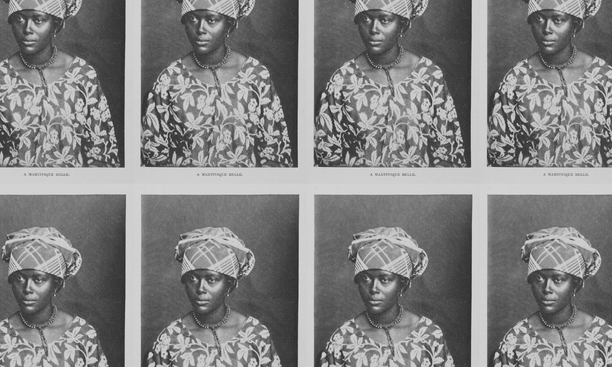
"From this meticulously researched and beautifully written book emerges not only an account of the experiences of enslaved women, but of their stubborn insubordination, their tireless resistance and the crucial role they played in rebellions, small and large." – Rosie Warren, Verso editor, on the publication of A Kick in the Belly.

Belfast's Titanic Quarter has been heralded as the final act of a city passing from its dark past into its new status as a modern European capital. But, beyond the endless PR copy, what does urban redevelopment like that in Belfast tell us about where power resides in our towns and cities, and about the role of the real estate state in the process of gentrification?
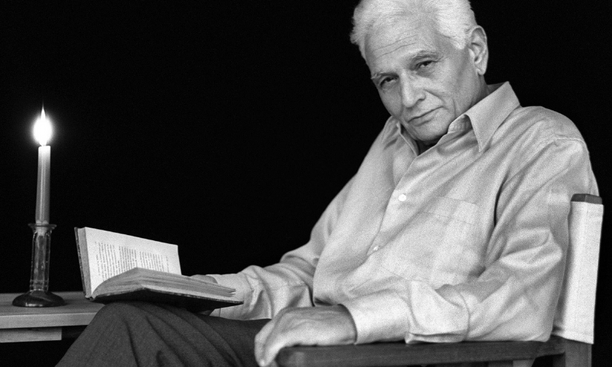
"Who was Jacques Derrida? And why does he still matter today?" – Leo Hollis, Verso Editor, on the publication of a new biography of Derrida.
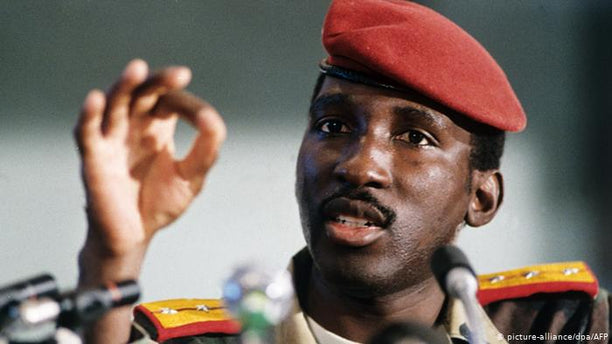
On the 33rd anniversary of his assassination in a French-backed coup, we celebrate the life and career of the revolutionary leader of Burkina Faso, Thomas Sankara.

The question of human needs is a central question in Marxist theory. Here, Max L. Feldman reads the desert island imaginary in order to examine what exactly a human need is, and whether those needs can point beyond capitalism.

The North Bronx Collective is a group of BIPOC and QBIPOC women artists, educators, community gardeners and long-time local organizers spearheading popular initiatives against policing, gentrification, and food apartheid. And while their work has had to adapt to the pandemic and anti-cop rebellions of 2020, a red thread leaps out from the various modes and forms of their organizing: a commitment to community and democratic control of land, institutions, and resources, against the rule of property, the power of the carceral state, and the ongoing legacy of colonialism.
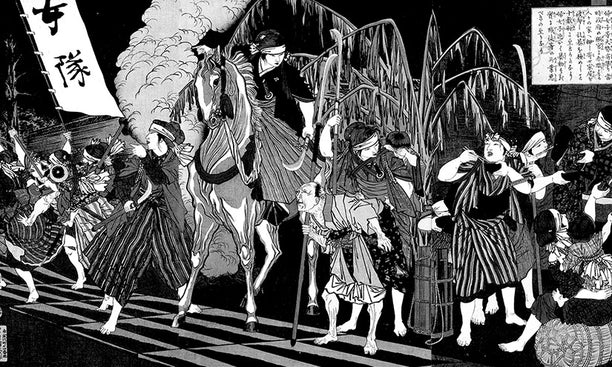
"What was feminism, and how were we to recognize it, across all eras and all regions of the globe?" – Jessie Kindig, Verso Editor, looks back at the publication of The Verso Book of Feminism.
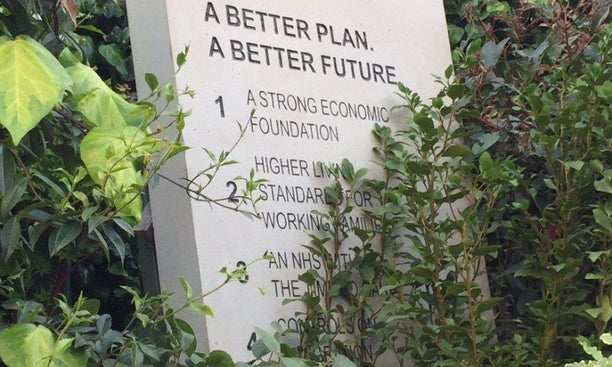
Gargi Bhattacharyya assesses the stumbling blocks for electoral paths to socialism in the aftermath of Corbynism.
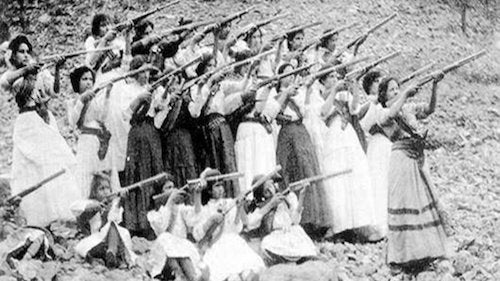
For twenty-five years, Feminism and Nationalism in the Third World has been an essential primer on the late nineteenth and early twentieth-century history of women’s movements in Asia and the Middle East. Kumari Jayawardena presents feminism as it originated in the Third World, erupting from the specific struggles of women fighting against colonial power, for education or the vote, for safety, and against poverty and inequality.