
Revolutionary Feminism
Feminist reading featuring Nancy Fraser, Nina Lakhani, Andrea Long Chu, Juno Mac and Molly Smith, Leta Hong Fincher, Sophie Lewis and Elizabeth Martínez.
Feminist reading featuring Nancy Fraser, Nina Lakhani, Andrea Long Chu, Juno Mac and Molly Smith, Leta Hong Fincher, Sophie Lewis and Elizabeth Martínez.

The convergence of capitalism and print technology on the fatal diversity of human language created the possibility of a new form of imagined community, which in its basic morphology set the stage for the modern nation.
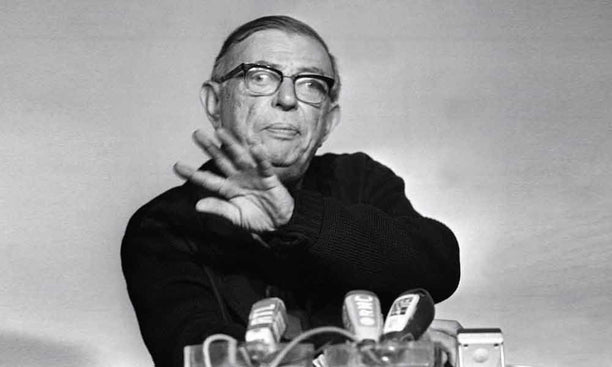
On the 60th anniversary of Jean-Paul Sartre's key text on Marxism, Robert Boncardo shows us why it is still relevant, and urgently needed, today.
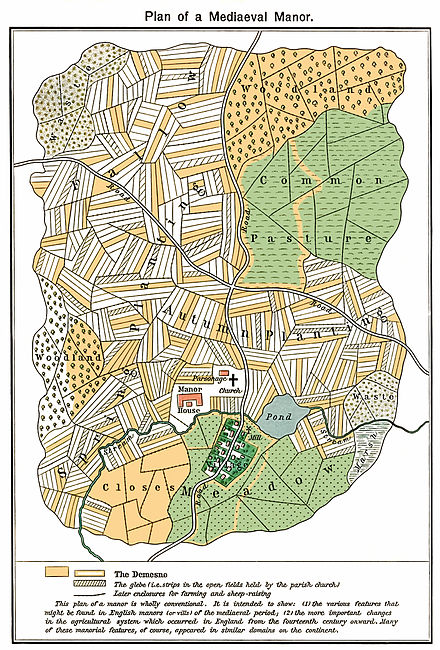
The development of distinctive property forms in English agriculture entailed new forms of class struggle. If we want to sum up the ways in which class struggle between landlords and peasants 'liberated' capitalism, it might be closer to the truth to say that capitalism was advanced by the assertion of the landlords' powers against the peasants' claims to customary rights.
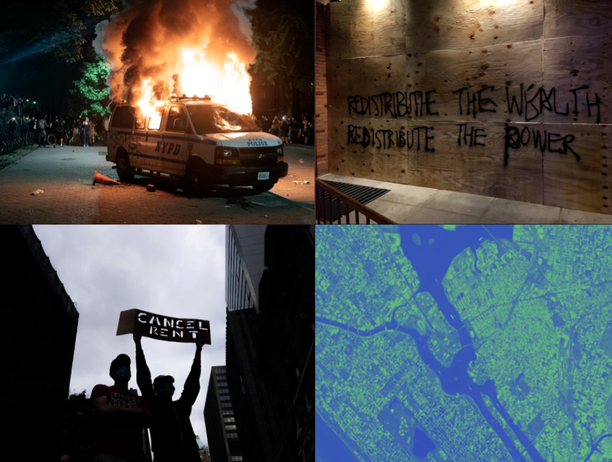
Poised between disaster and revolution, New York City is in the midst of a compound crisis, one that exacerbates the violent inequalities and explosive contradictions of racial capitalism that underlie the emergencies of our time.

The global pandemic has revealed "the death drive at the heart of the capitalist machine".
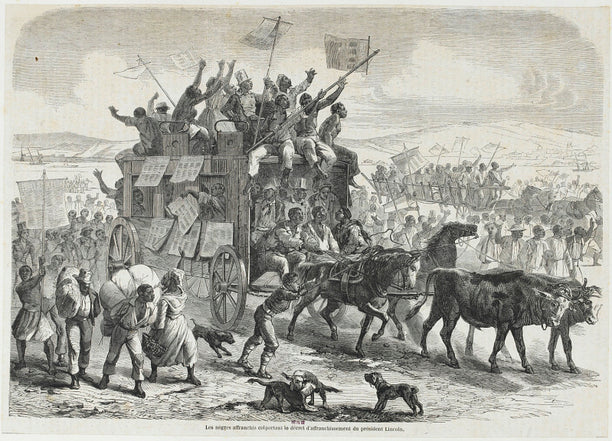
Asad Haider and Rafael Khachaturian discuss emancipation and marxism, from the Sanders campaign to a new autonomous movement against state racism and repression.
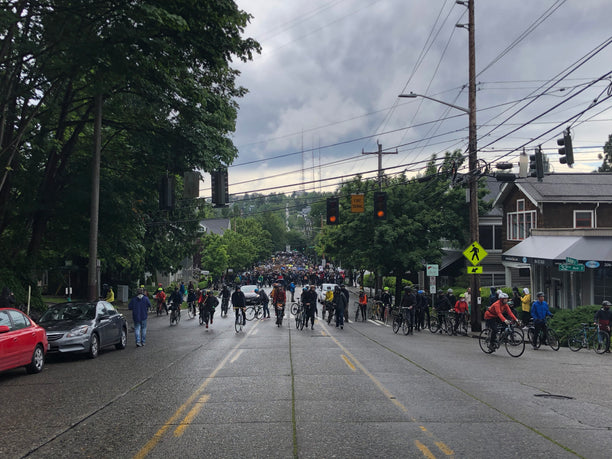
Jen Marlowe reports from Seattle on antiracist mutual aid — with bikes!

Key titles from across Verso's many series and imprints.
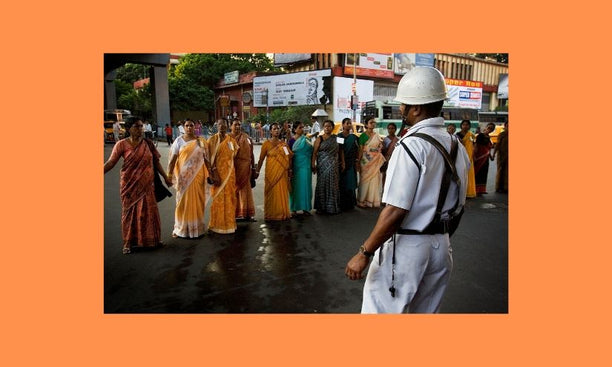
A report on the history and present day reality of police violence in India.

Key titles on activism and global resistance, from movements for Black liberation and climate justice to labor organizing and anti-colonial struggles.

'From colonialism to apartheid and through to contemporary South Africa, it is the threat presented by the masses which means they need to be permanently contained, and this remains the enduring imperative of policing practices.'