Life in Lockdown: Hal Foster
Hal Foster on Alexander Kluge, emails from friends, and the problem with pandemic diaries.
Hal Foster on Alexander Kluge, emails from friends, and the problem with pandemic diaries.
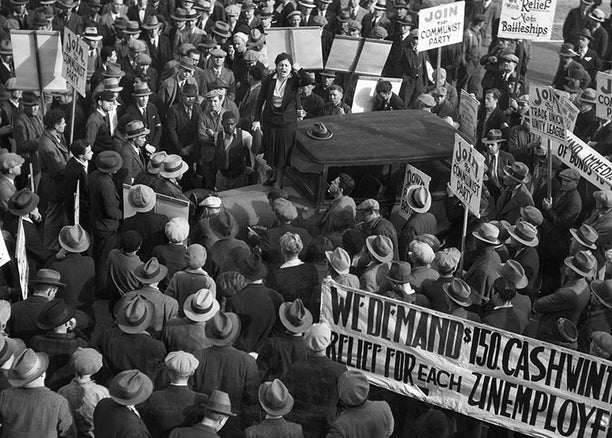
Today, the idea of socialism is peculiarly alive, especially among young people in the United States, in a way it has not been for decades. Socialists today must build their own, unaffiliated version of how to achieve a more just world, from the bottom up. It is my hope that Romance of American Communism, telling the story of how it was done some sixty or seventy years ago, can act as a guide to those similarly stirred today.

When shared between members of a civic-minded community, trust is the one thing that can keep state power in check — unless, of course, we allow ourselves to be manipulated by fear and, in the silence that follows, grow apart from one another.
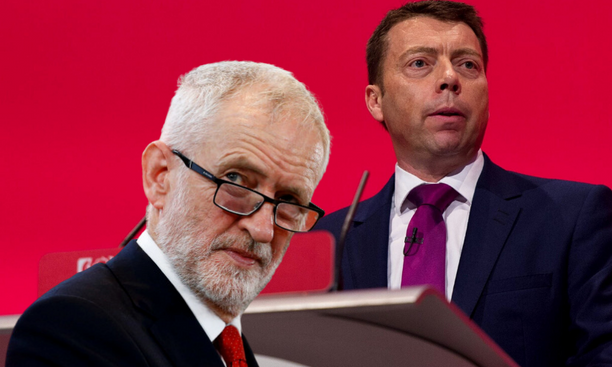
It is not surprising that after 13 years of New Labour most of the party’s senior officials were now Blairites. What is most striking about their behaviour is how entitled they felt to act against the wishes of a dramatically expanded membership.
How has our experience of time under the COVID-19 lockdown changed? Fernando Sdrigotti explores the temptations to do nothing to this period of slowed-down experience, or to find an alternative vital measure of living in the moment.
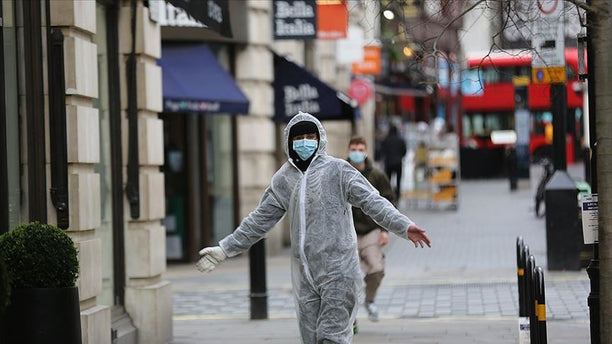
Philip Mirowski on why the Covid-19 pandemic is more opportunity than threat to neoliberalism, with Alex Doherty on the Politics Theory Other podcast.
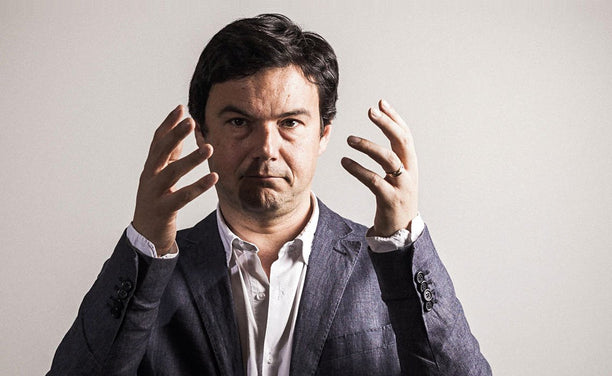
On 31 January, at the Bourse du travail in Paris, Frédéric Lordon debated with Thomas Piketty on his book Capital and Ideology, at the invitation of Les Amis de L’Humanité. The following text is Frédéric Lordon's opening speech, with minimal revisions. Translated by David Fernbach
A Planetary Pandemic: International Reflections from Mike Davis, Ai Xiaoming and others
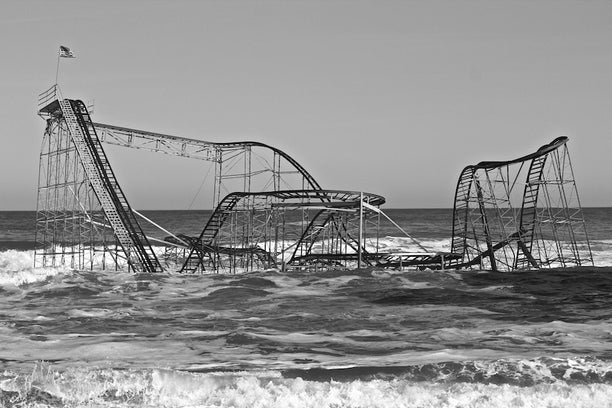
The stark inequality of "extreme cities" is going to be exacerbated and tested by the effects of climate change.

Thousands of refugees still remain in camps in Greece, like Moria on Lesbos. They now face the coronavirus crisis with no protection or help. Teresa Thornhill, author of Hara Hotel: A Tale of Syrian Refugees in Greece, tells their story of desperation in the face of the pandemic.
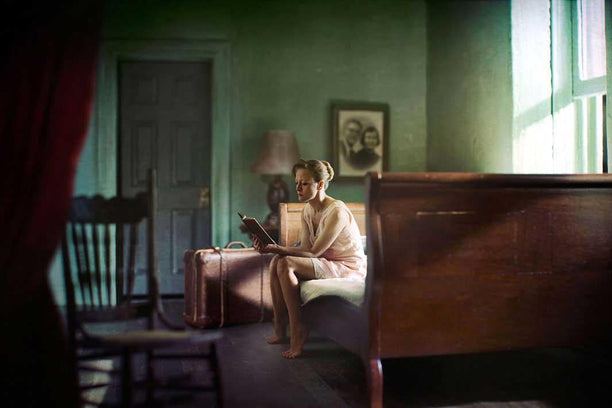
Vivian Gornick reads other people's diaries, Andrea Long Chu plays D&D, Enzo Traverso considers the siege of Leningrad, Hazel Carby reads privilege and anxiety, Geoff Mann locates hornswoggle, Asad Haider reads courageously, and more.
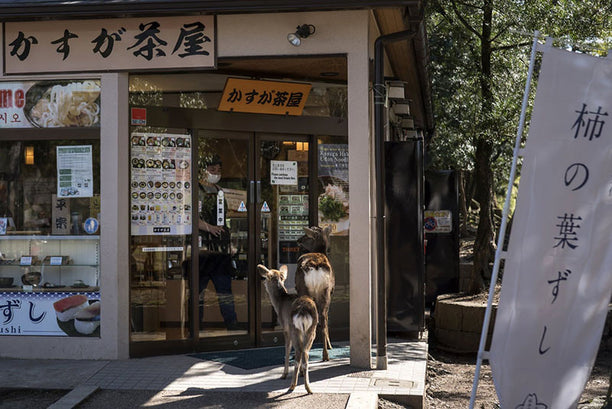
Closing the tap on aggregate economic growth opens positive new possibilities. It renders possible a more equitable world and a form of convivial conservation that celebrates and enables living together.