
Liberal feminism is bankrupt. It’s time to get over it.
Liberal feminism outsources oppression. A global pandemic has made that even clearer.
Liberal feminism outsources oppression. A global pandemic has made that even clearer.

The current crisis has made the dangers of austerity painfully clear. Harry Quilter-Pinner argues for a new, popular consensus on the welfare state based on equality and justice.

In an new preface from Disobey!, Frédéric Gros observes the gilet jaunes and proposes a new way of thinking about protest, and government's response to it.

Holly Buck on why we may have little choice but to undertake geoengineering to avert the worst of the climate crisis, with Alex Doherty on the Politics Theory Other podcast.

Our selection of key political theory titles, addressing the current state of politics, climate, technology and more.
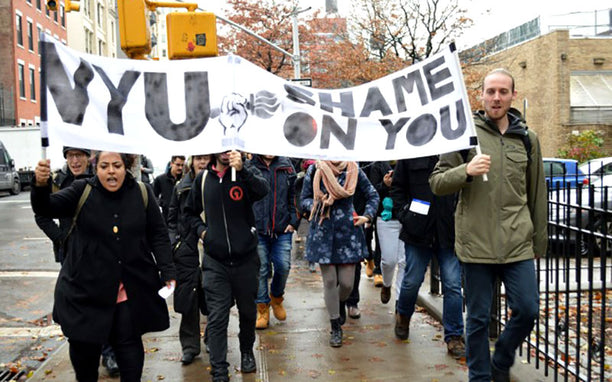
The #sickoutNYU collective demands that NYU administrators respond meaningfully to calls for COVID crisis support.

The self-education of the ruling clique, with all its concomitant discipline, stifling of spontaneous impulses, cynical scepticism and blind lust to command, would not be possible if the oppressors did not themselves submit, through hirelings among the oppressed, to a part of the oppression they inflict on others.

Enzo Traverso on 'the Revolt of Nature' and how COVID-19 forces us to reconsider the blurred relationship between politics, economics, society and biology.

A reading list of US politics books on what to learn from the Bernie Sanders campaign, the legacy of Henry Wallace, the emotion driving members of the US Communist Party in the mid twentieth century and more.
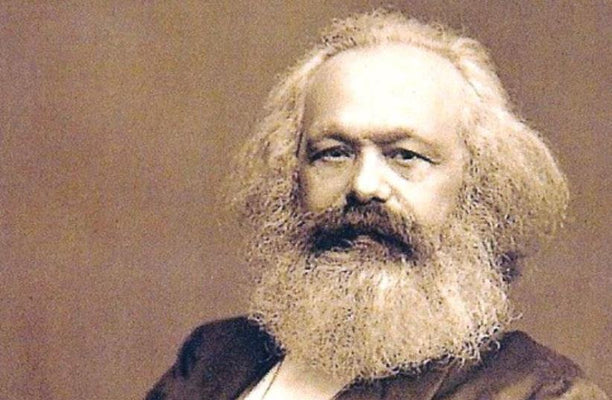
An excerpt from The Eighteenth Brumaire of Louis Bonaparte.

Jamie Allinson remembers Marxist historian, Neil Davidson, author of the groundbreaking How Revolutionary Were the Bourgeois Revolutions? who died May 3, 2020.

Now that the world has made men speechless, not to be on speaking terms is to be in the right. The wordless need only stick immovably to their interests and their natures to get their way.