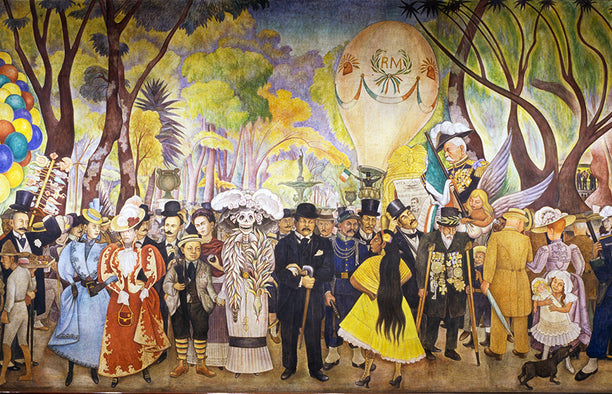
Imagined Communities: An Introduction
Is Benedict Anderson's Imagined Communities more relevant than ever? Now 50% off as part of our Student Reading Sale.
Is Benedict Anderson's Imagined Communities more relevant than ever? Now 50% off as part of our Student Reading Sale.

Tom Mills, author The BBC: Myth of a Public Service, discusses the problems of the UK media, the Labour Party leadership's proposals for media reform, and the media class's aversion to workplace democracy with Alex Doherty on the Politics Theory Other podcast
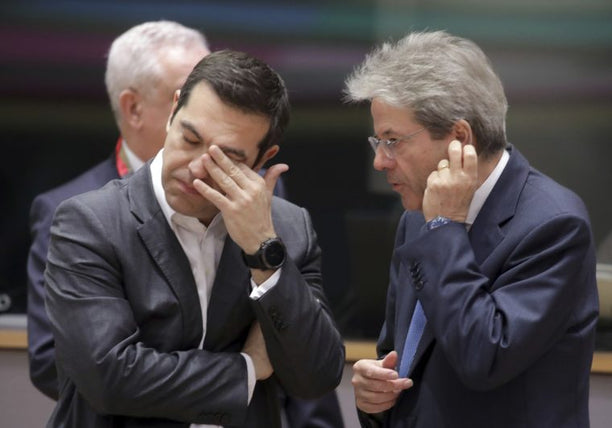
Stathis Kouvelakis on how Yorgos Lanthimos' Dogtooth can help us understand Tsipras's capitulation to the Troika.
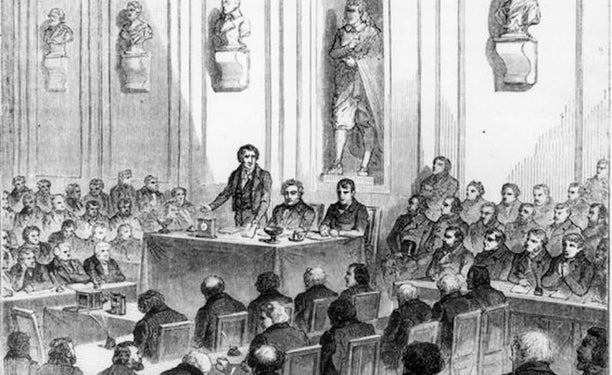
In the first part of the series Unlearning Decisive Moments of Photography, Ariella Azoulay urges us to unlearn the knowledge that calls upon us to account for photography as having its own origins, histories, practices, or futures, and to explore it as part of the imperial world that we operate in.

Antony Lerman on the need to understand the history of the current attempt to define antisemitism.
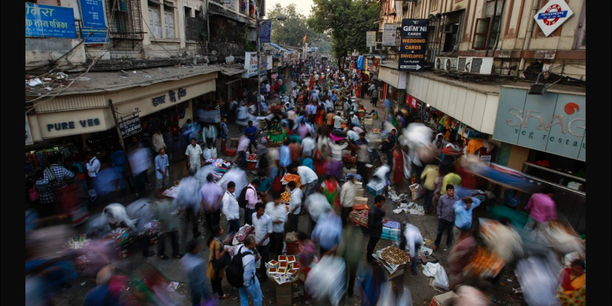
Nandini Sundar on the recent attempts to silence those who have raised their voice against the abuse of state power in Modi's India.

London’s violence ‘epidemic’ is increasingly discussed as a problem contained amongst young Black men. Becka Hudson argues that this framing fails to stand up to scrutiny, and that its repetition is facilitating racist, draconian state responses to the problem.
Last chance to take advantage - this weekend!
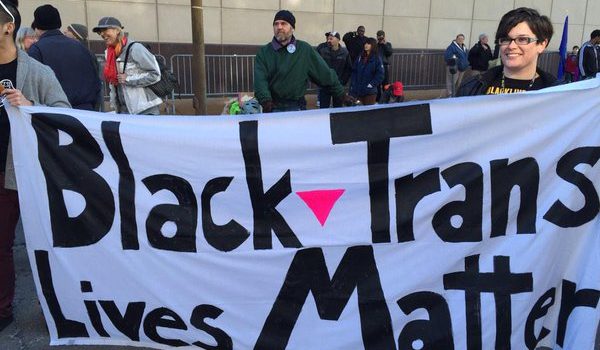
Sophie Lewis discusses trans-exclusionary feminists, their traducing of lesbian separatism and gay liberation history, their attachment to the unscientific imaginary of human sex dimorphism, and The Handmaid's Tale with Alex Doherty on the Politics Theory Other podcast.
Make sure you're fully prepared for the academic year with our student reading.
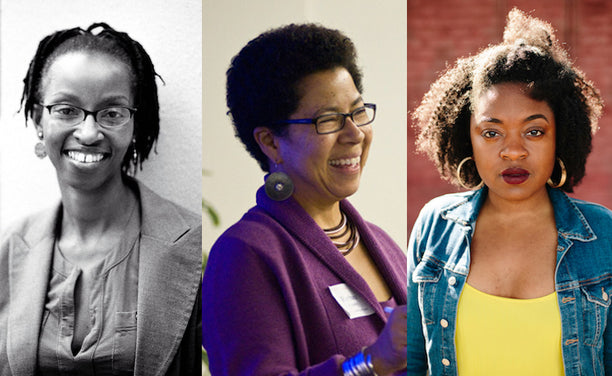
Ula Taylor, Barbara Ransby, and Charlene Carruthers discuss race, gender, and the contradictions of capitalism.
Our selected media and culture reading for the academic year.