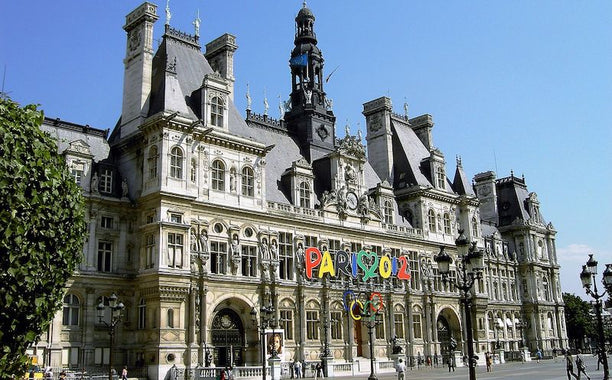
The Olympic Cult Strangles Our Freedoms
Paris’s candidate dossier for its bid to host the 2024 Olympic Games illustrates how the IOC curtails civil liberties in host countries.
Paris’s candidate dossier for its bid to host the 2024 Olympic Games illustrates how the IOC curtails civil liberties in host countries.
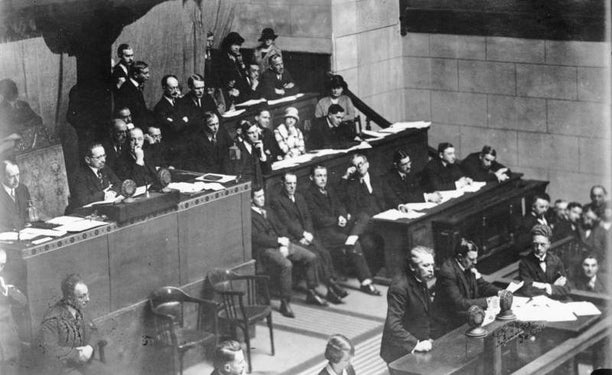
A 2016 book reveals pro-European intellectuals of the 1930s who greeted Nazi invasion as a historic opportunity for their project.

New York City and the real estate interests that run it decided long ago that working class lives are worth gambling with.
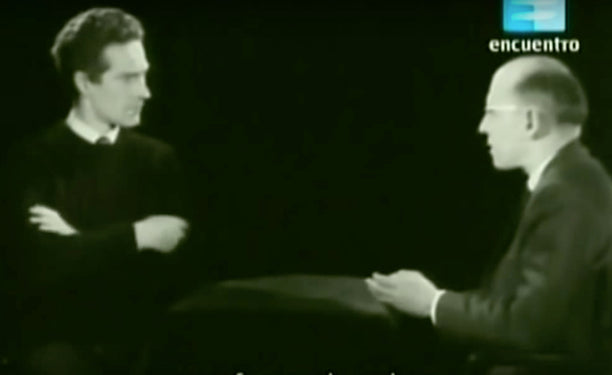
Watch a televised 1965 discussion between Alain Badiou and Michel Foucault on philosophy and psychology.
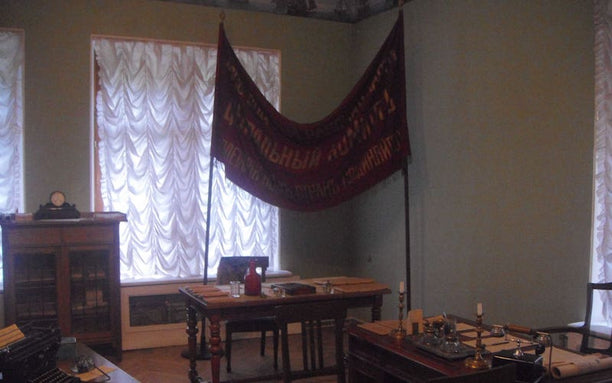
Owen Hatherley surveys the Russian Revolution centennial literature.

Lifting the ban on offshore drilling is one of the most significant environmental decisions yet taken by the Trump administration.
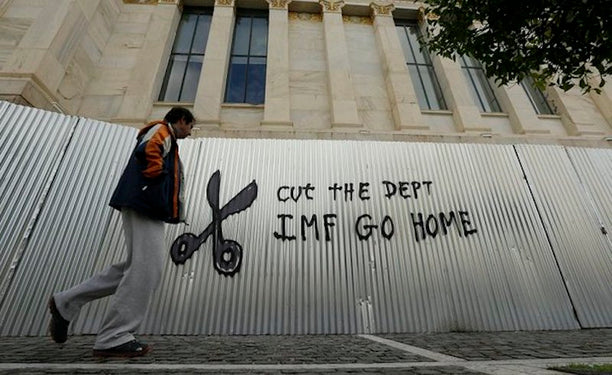
Éric Toussaint, the spokesman of the Committee for the Abolition of Illegitimate Debt (CADTM) and scientific director of the Greek Debt Truth Audit Commission, describes the findings of the commission and the legal avenues available to Greece for the repudiation of a significant portion of its debt.

In this career-spanning interview with George Souvlis, Esther Leslie discusses Walter Benjamin, animated film, the history of color, the Historical Materialism project, and the commemoration of the revolutionary past.
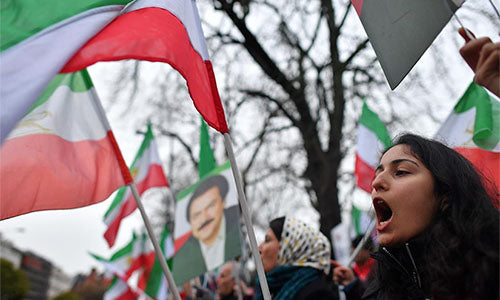
Background reading to help understand the recent protests in Iran.
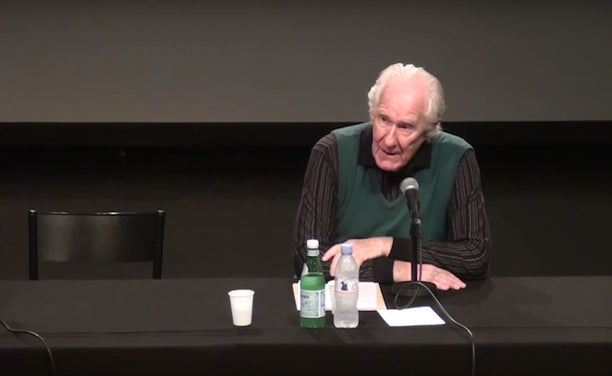
Darko Vujica speaks with Alain Badiou about the past and future of communism.
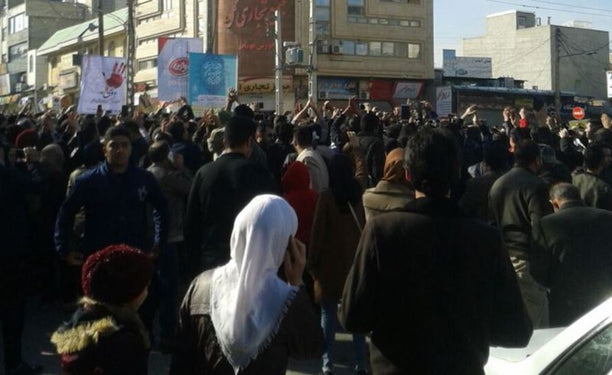
Commentators and self-styled experts have been quick to jump to hasty conclusions about what is driving the present bout of discontent in Iran.
