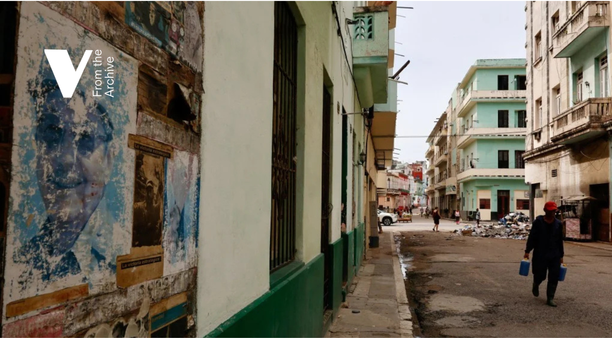
Prologue to the Cuban Revolution pt. IV
The final instalment of Robin Blackburn's 1963 essay 'Prologue to the Cuban Revolution'.
The final instalment of Robin Blackburn's 1963 essay 'Prologue to the Cuban Revolution'.
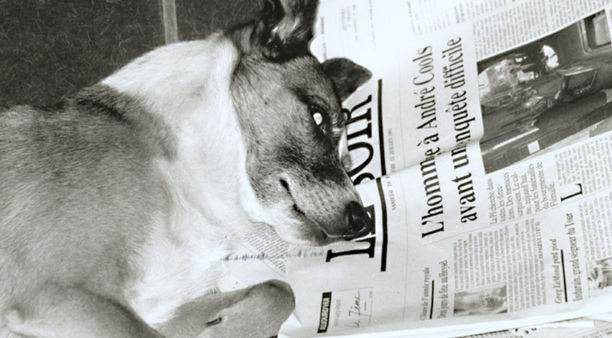
The afterword of the German translation of Belgian Surrealist Marcel Mariën's Theory of Immediate World Revolution, out in English for the first time this September. Preorder now for 30% off until Tuesday, June 16th.
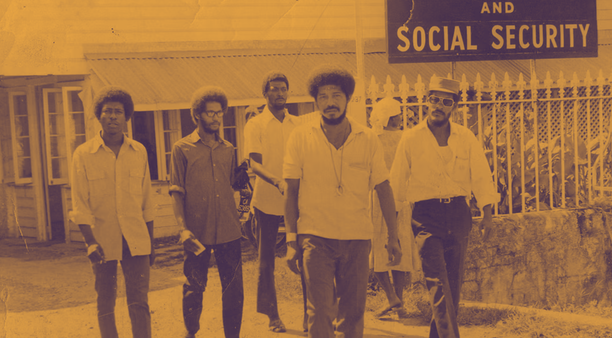
In this essay, originally published by Race Today in 1983, C.L.R. James discusses Rodney's work in relation to the revolutionary seizure of power.
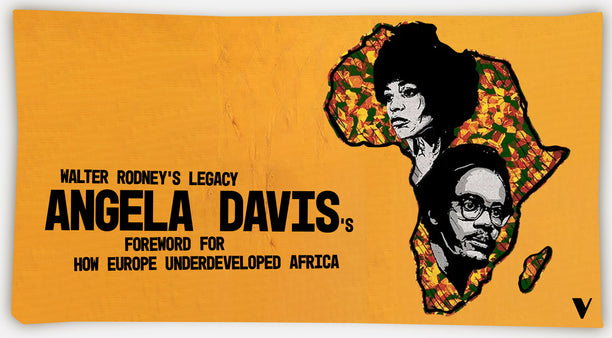
“If Walter Rodney’s assassins were under the impression that they could arrest the flow of his ideas by destroying his body, they could not have been more wrong.” — Angela Davis
Walter Rodney describes the ways colonialism reversed the continent's various paths of progress in order to solidify colonial exploitation.
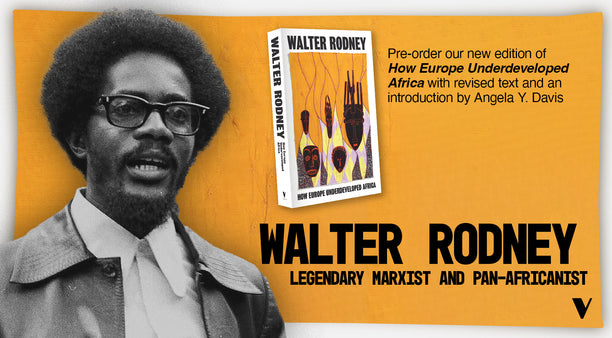
On the anniversary of the assassination of Walter Rodney, we are proud to publish a new edition of his seminal work, How Europe Underdeveloped Africa
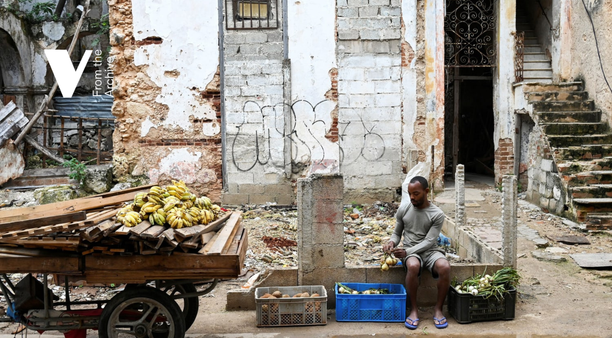
Part III of 'Prologue to the Cuban Revolution' by Robin Blackburn, original published in 1963.
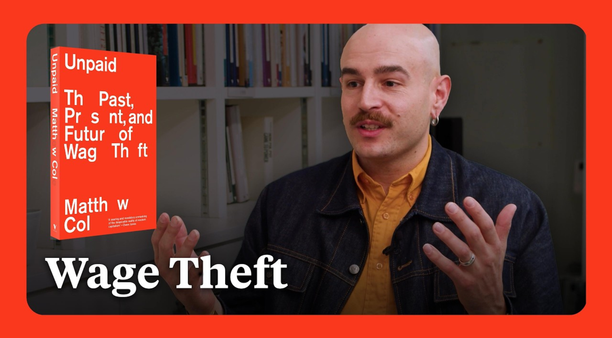
Matthew Cole sits down with Ashok Kumar to discuss why wage theft persists.
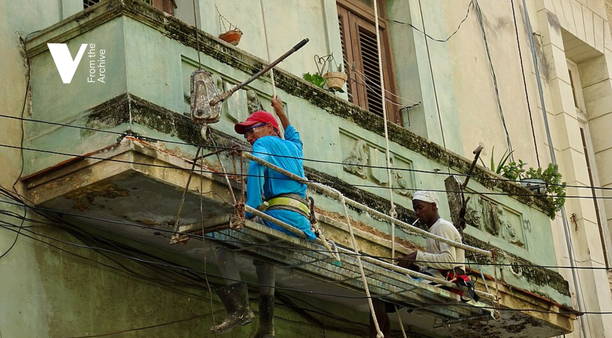
Part II of 'Prologue to the Cuban Revolution' by Robin Blackburn, originally published in 1963.
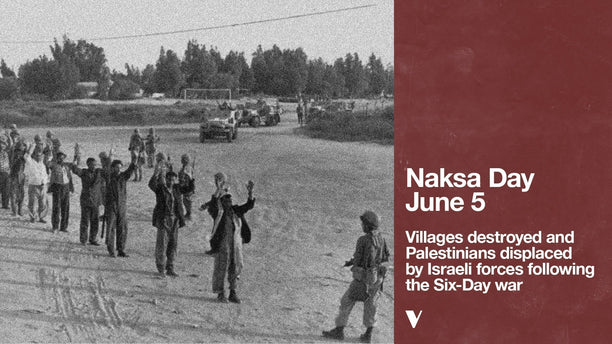
To commemorate Naksa Day, we present a reading list on the history of settler violence, global resistance, and Palestinian art and identity.
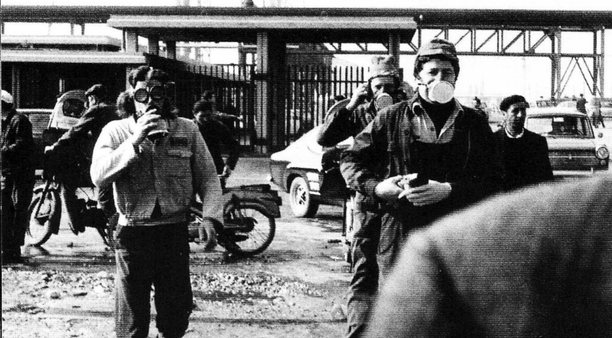
Originally published on Ocean-Archive.com, authors Lorenzo Feltrin and Emanuele Leonardi discuss how working-class environmentalism continues to address the intertwined degradation of bodies and the environment.

Buy one of our new titles and save 30% on related books from our catalogue!