
Site-Wide Sale | This is what love looks like: Solidarity.
Now through February 20th, save up to 40% on all titles site-wide!
Now through February 20th, save up to 40% on all titles site-wide!
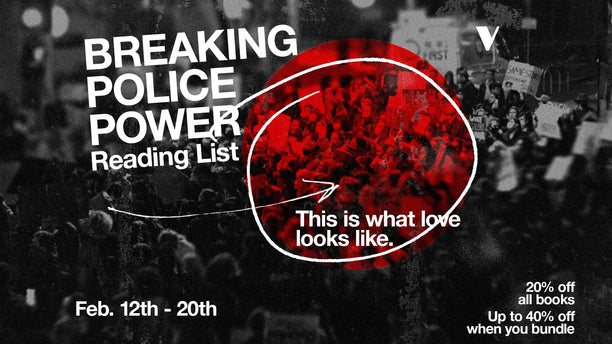
Featuring work from Ruth Wilson Gilmore, Alex S. Vitale, Miss Major Griffin-Gracy, and more!
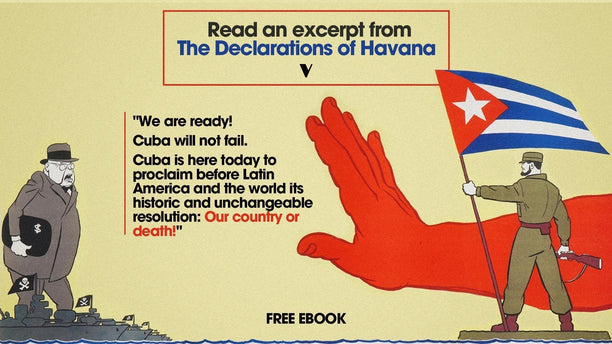
"The Assembly reaffirms its will to march 'with the whole world and not just a part of it'."
In response to the Trump administration’s escalation of the illegal blockade on Cuba, we've made the ebook for The Declarations of Havana free to download.
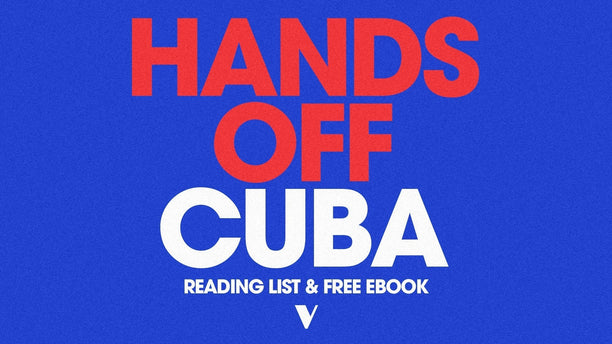
The Trump administration’s escalation of the illegal blockade on Cuba has forced the nation to ration food and fuel, triggering a humanitarian crisis. This is but the latest attempt by the U.S. to destroy Revolutionary Cuba. For more on that history, consider these titles.
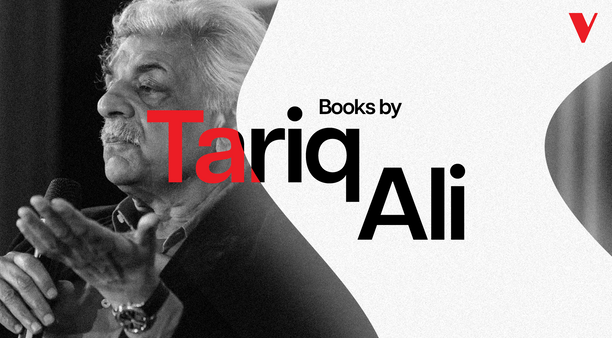
Featuring beautiful new editions of Tariq Ali's Islam Quintet.
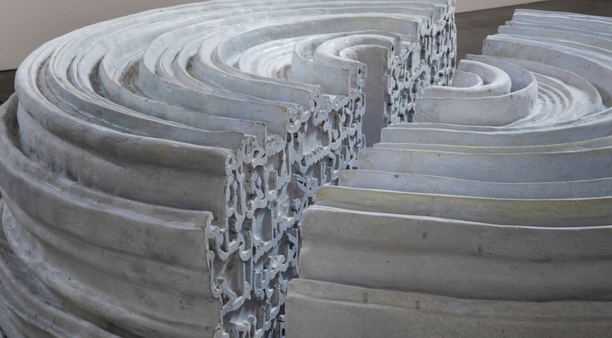
Afshin Matin-Asgari, author of Axis of Empire: A History of Iran-US Relations, on Iran's decades-long political and social impasse.

In this new interview, Paul Heideman talks Trumpism and the Republican Party

Ernest Mandel on the turning points of World War Two, including the "key battle" of Stalingrad.

Christian Laval, co-author of The Choice of Civil War, on the escalation of the neoliberal order through the Trump administration's total war.
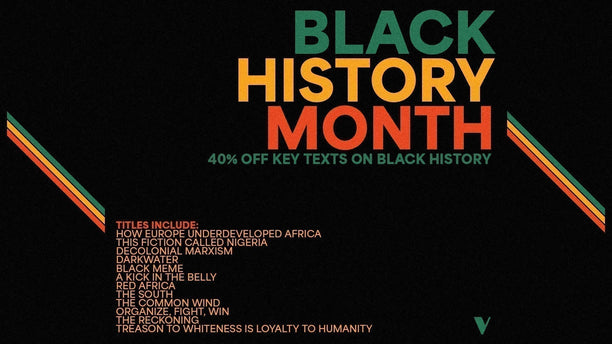
40% off key titles on Black History and Black Liberation
The targeting of immigrant communities has reached extraordinary new levels of shamelessness, drawing activists to the streets in protest and sparking fiery confrontations against the state's militarized police forces. These books were selected to provide histories of immigration enforcement and philosophies of division and pacification.
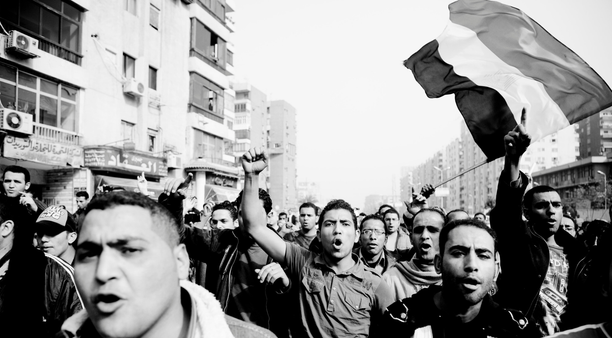
On the anniversary of the 2011 Egyptian Revolution, journalist Hossam el-Hamalawy discusses its legacy and the impetus for his forthcoming Counterrevolution in Egypt.