
Staff Picks: Books of the Year 2018—Chosen by Verso staff
It's back! Verso staff pick their favourite non-Verso books of the year.
It's back! Verso staff pick their favourite non-Verso books of the year.

Attempts to identify Trump with fascism have proliferated across the political spectrum. In the latest number of New Left Review, Dylan Riley argues that the comparison serves rather to illuminate the specificity of today’s political situation – and the incoherence of Trump’s form of rule.
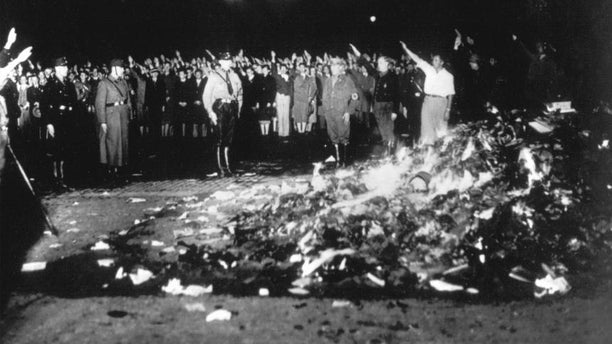
2018 has seen a vast rise in anti-Semitic violence globally. Similarly, violence against trans people, and trans women of colour in particular, has continued to rise exponentially. Is there link between the simultaneous rise in anti-semitism, the resurgence of the far-right, and the rise in transfemicide? In this article Joni Alizah Cohen analyses the structure of Nazi ideology for the key to understanding the present crisis.
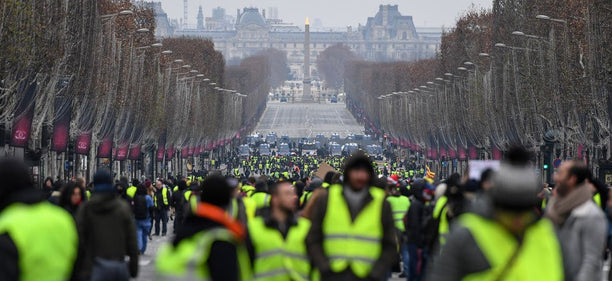
Are there any continuities between the gilets jaunes protests in Paris and the 2005 insurrection in the banlieues? In this interview with Joseph Confavreux, Alain Bertho discusses the differences and similarities between the two historical moments, and situates the gilets jaunes movement within a broader history of urban riots.
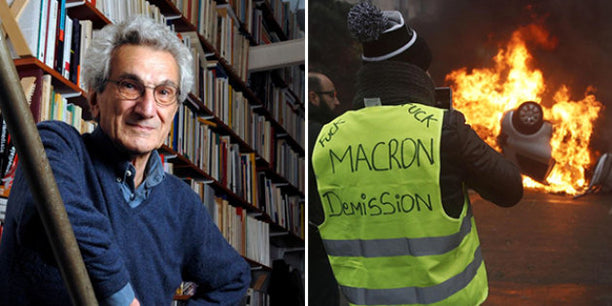
Macron has always presented himself as beyond traditional political categories. In this interview with the Huffington Post, Toni Negri argues that the gilets jaunes movement, which can be characterised as neither Left nor Right, has now challenged Macron on his own representational ground, and forced centrist populism into its first great crisis.
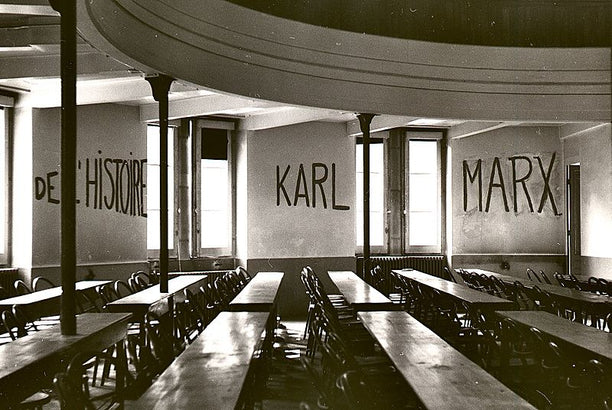
Louis Althusser critiques Michel Verret's response to the May 1968 uprisings, and in so doing indirectly critiques the French Communist Party's handling of the situation. Available for the first time in English.
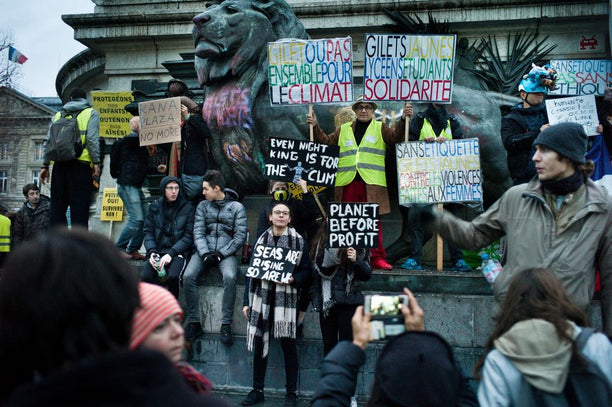
Decades of neoliberal policies have shattered the French economy and led to low growth, high unemplyment and increasing inequalities. In this article, Cédric Durand and Ramzig Keucheyan argue that the emergence of the gilets jaunes could serve as the basis for a new politics, one that provides an economically just and environmentally protective alternative to the status quo.
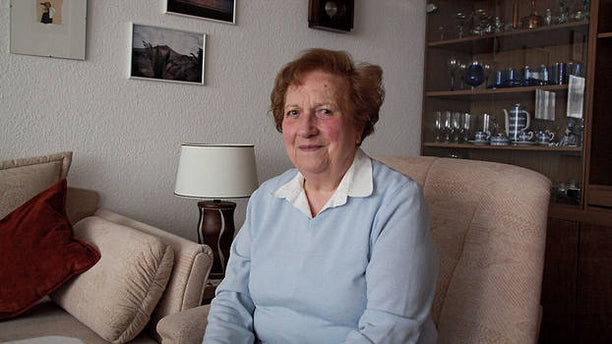
Jörn Schütrumpf remembers the last of the great Rosa Luxemburg scholars, Annelies Laschitza, the editor of the German-language Collected Works, who died last week in hospital.
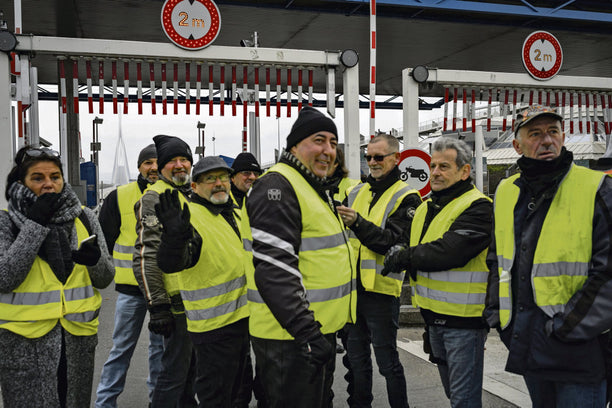
With strong support from employees, manual workers and the self-employed, the gilets jaunes movement has brought together a wide range of different interests. In this interview with Lionel Venturini, Stefano Palombari discusses the 'French crisis' and the difficulty of turning this heterogeneous movement into a new dominant bloc.
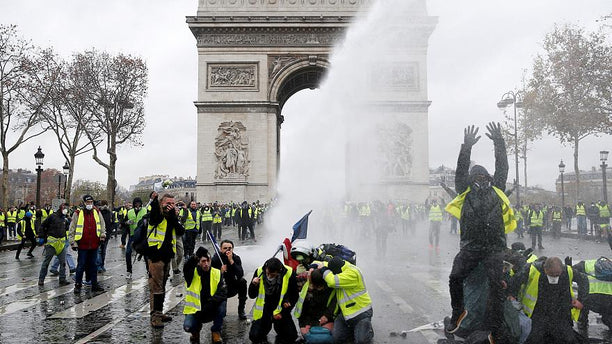
Who are the gilets jaunes and what do they want? To answer these questions, a group of sociologists, political scientists and geographers have recently conducted a study of the motivations and socio-demographic profile of the movement. In this article, they present their initial findings.

Giuliana Bruno locates the history of Film in the study of Architecture.

Verso authors share the books they loved in 2018. We hope you'll be inspired to expand your reading lists over the holiday season!