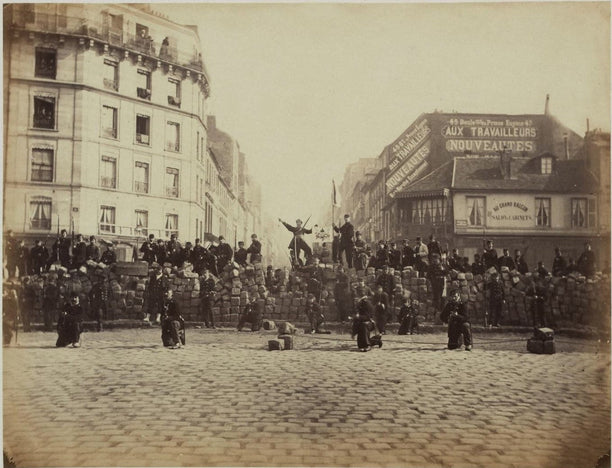
The Paris Commune remains alive
Celebrating the 155th anniversary of The Paris Commune.
Celebrating the 155th anniversary of The Paris Commune.
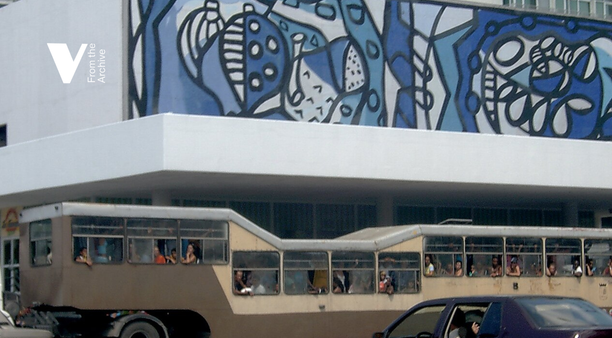
Part one of Robin Blackburn's 1963 essay 'Prologue to the Cuban Revolution'
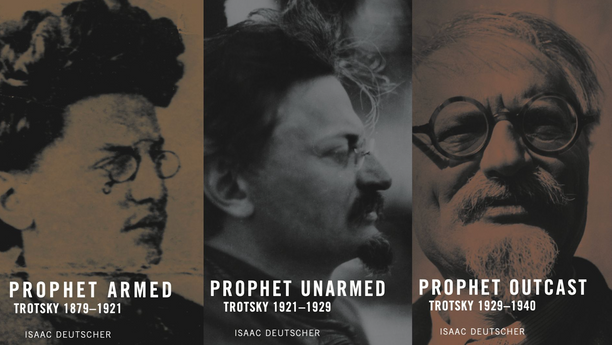
Isaac Deutscher's classic biography is back in stock and 30% off until May 26th.
In the latest New Left Review: Nancy Fraser reflects on the global reverberations of Israel’s destruction of Gaza.
Henry Snow joins the Verso Book Club Reading Group to discuss the origins of the rules that govern our workday.

Kevin B. Anderson and Benjamin Crais discuss Anderson's latest book, The Late Marx's Revolutionary Roads

Vittoria Martini on the history of the Venice Biennale.

Watch Callum Cant and Matthew Lee, co-authors of The Future in Our Past, on the 1926 General Strike and what this generation can learn from it

Celebrate the life of Karl Marx with books on Marx and Marxism. Save up to 40% during the Verso Red May sale!

Verso will be joined by Dean Spade, Autumn Brown, and R. Jessica Rosenberg to celebrate the new edition of Mutual Aid, discuss how mutual aid efforts have changed between 2019 and 2026, the repression of Stop Cop City activists, and transitioning between acute and ongoing crises. RSVP here!

Celebrate International Workers' Day with books on workers' solidarity.
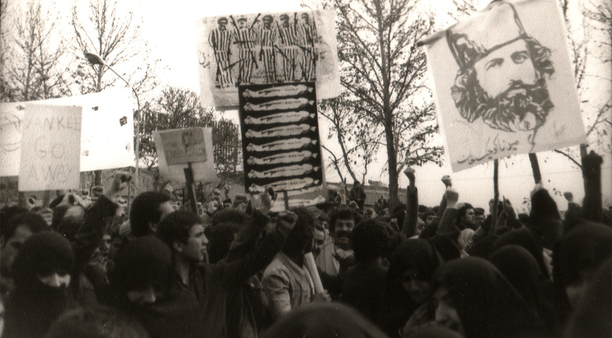
Eskandar Sadeghi-Boroujerdi sits down with Afshin Matin-Asgari to discuss the US's historic involvement in Iran.