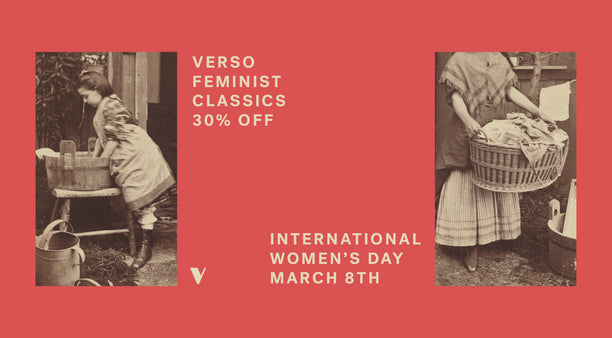
Verso Feminist Classics | 30% off for International Women's Day
International Women's Day is March 8th. Celebrate with 30% off Verso Feminist Classics.
International Women's Day is March 8th. Celebrate with 30% off Verso Feminist Classics.
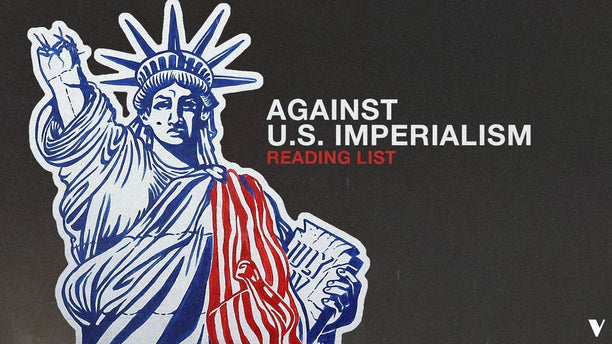
We must stand against U.S. imperialism. Consider these titles against imperialism and war, on oil and Western involvement in the Middle-East, and on Left-Internationalism.
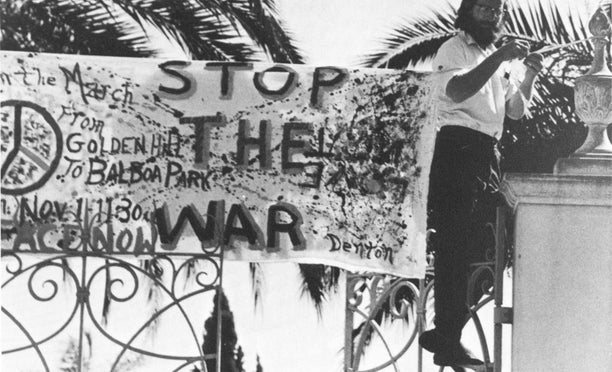
Salar Mohandesi on Iran, the campism debate, and the urgency of organizing in the heart of imperialism.


Frédéric Lordon on the French media's reaction to the death of far-right activist Quentin Deranque, why we fail to learn from history and more.

In this archival interview with the German journal Kürbiskern, avant-garde filmmaker and writer Peter Weiss breaks down the potential and limitations of theatre in politics.

Key texts on war, imperialism, and the West's efforts to reshape the Middle East.

In his latest book, the world's foremost Marxist geographer and economist takes us by the hand on a tour of contemporary capitalism.

"One conclusion is clear: Jean-Luc Mélenchon’s victory on 25 April 2027 is not only possible, it is the most plausible scenario."

In this excerpt from The Problem of Personhood, Lisa Siraganian lays out the political and philosophical dilemmas at the core of contemporary personhood debates.
David Harvey will join the Verso Book Club Reading Group to guide us through Marx’s masterwork.
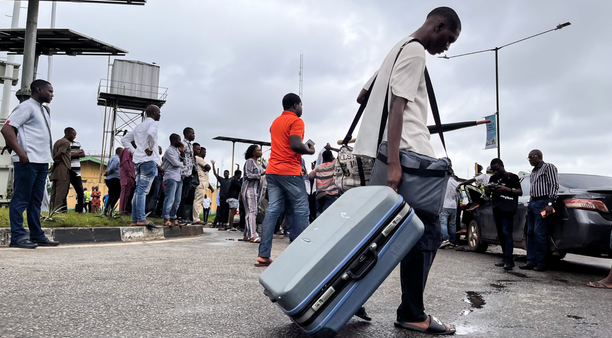
Writer and researcher Hadiza Abubakar Goro explores the structural conditions underpinning the subjectivity of Nigerian youth.