
Verso World History Series
Shop the Verso World History series, including the recently released new edition of The Class Struggle in the Ancient Greek World
Shop the Verso World History series, including the recently released new edition of The Class Struggle in the Ancient Greek World

Read the latest Verso Fiction, ranging from new editions of revolutionary classics to subversive thrillers.

Books endorsed by Sally Rooney, Andreas Malm, Yanis Varoufakis and more!

Books to contextualise what’s happening in our governments, and how we can win.

Highlights from Verso’s publishing, including books on the Global South, Palestine, Marxist theory, and more!

Our 2025 Gift Guide: featuring Verso Gift Cards, the best-selling Verso Radical Diary, and more!

From riots and fires to ICE crackdowns and political assassinations, we've selected ten books to speak on the year we're finally leaving behind.

Graphic nonfiction offers new insights into often misrepresented histories with beautiful, fluid, dynamic artwork.

Robin Blackburn remembers radical journalist and historian Richard Gott

Kim Stanley Robinson will join climate theorists Andreas Malm and Wim Carton to discuss why in the end, no technology can absolve us of responsibility for our planet and each other.
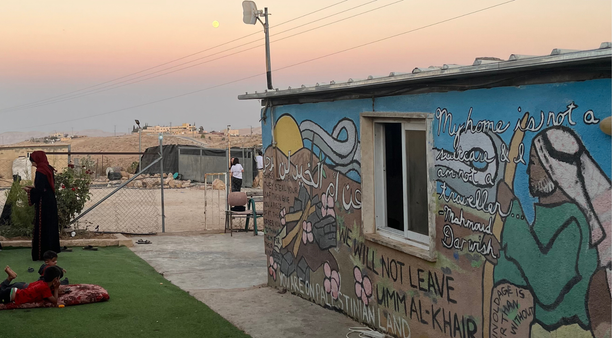
A part of our new series A Collection of Villages, journalist and editor Kate Greenberg takes us to Umm al-Khair, a village in the West Bank facing impending demolition by the Israeli government.

On-the-ground stories from Masafer Yatta, a collection of villages in the West Bank.