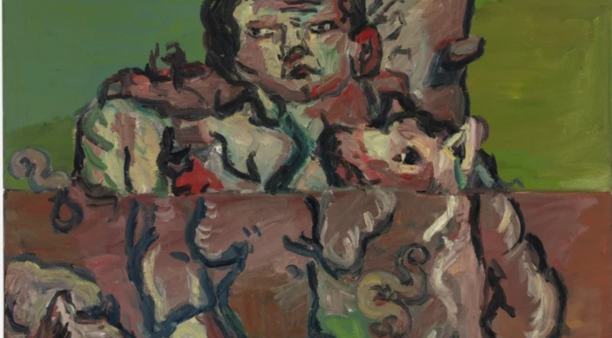
Fredric Jameson on Alexander Kluge and Oskar Negt
An excerpt from After Year Zero: On Postwar German Thought, out today.
An excerpt from After Year Zero: On Postwar German Thought, out today.

An excerpt from Slavoj Žižek's 2002 book Welcome to the Desert of the Real: Five Essays on September 11th and Related Dates.
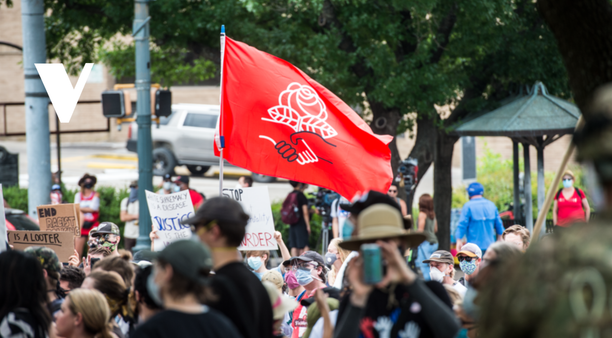
Raina Lipsitz revisits her 2022 book in light of the DSA's recent electoral victories.
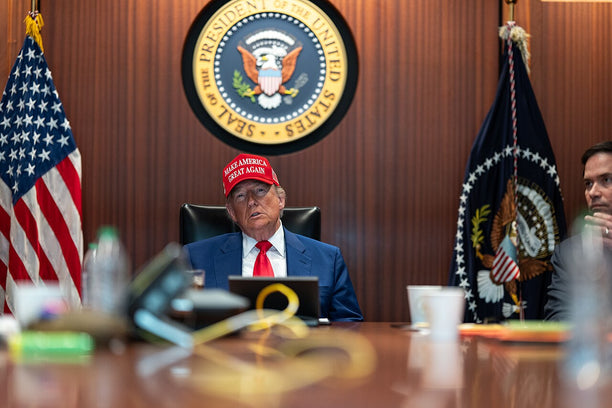
Detached from reality, or the epitome of the realist theory of international relations? The geopolitics of Trump II dissected by David Hendrickson, author of Restraining Power: The Law of Nature and the Theory of International Relations.

Buy one of our new titles and save 30% on related books from our catalogue!
The revolving door at Downing Street whirls again, evicting Keir Starmer just two years after he entered Number Ten on an electoral landslide. Donald Sassoon assesses the multiple discontents – political, economic, social, ideological – behind the latest Westminster coup. Burnham, the sixth prime minister since Brexit, is unlikely to escape them.
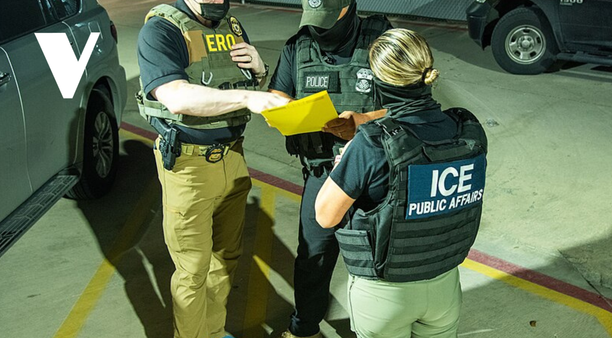
Matthew Wolfe on the use of domestic terrorism charges against activists, from the Earth Liberation Front to Prairieland.
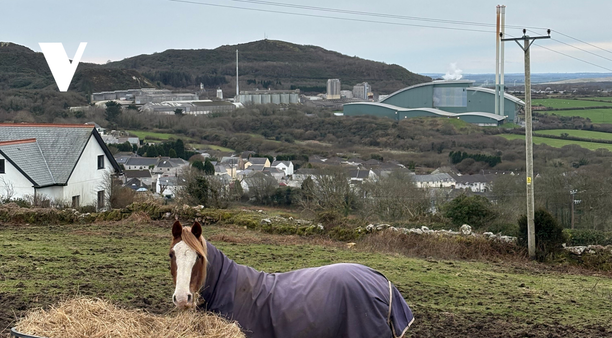
Architect, researcher and writer Alfred Yatlong Yeung on British clay country, re-industrialisation and the meaning of reopening mines.

For a limited time: save 30% on all Verso titles and take 20% off Gift Cards and gift memberships to the Verso Book Club!
Read the latest Verso Fiction, including the highly anticipated new novel from Itamar Vieira Junior, the author of the Booker-shortlisted international sensation Crooked Plow.
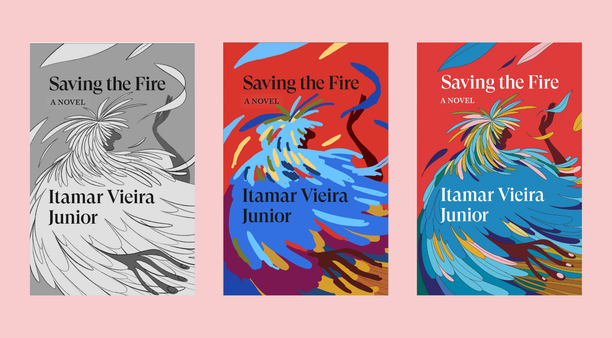
Paola Saliby discusses representing the Tupinambá cloak as a living entity for the cover of Saving the Fire by Itamar Vieira Junior.
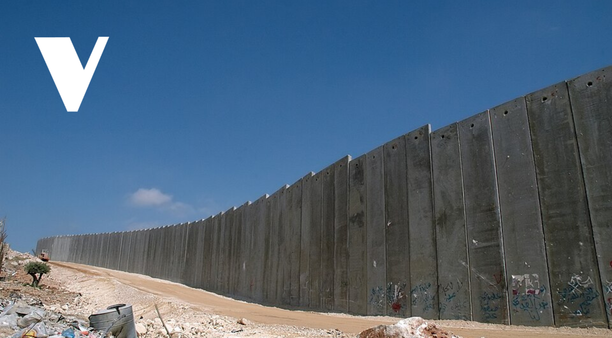
Séamus Malekafzali on pro-Palestine gestures by U.S. Democratic politicians.