
Between Mamdani and Prairieland
A.C. Corey on municipal socialism and domestic repression.
A.C. Corey on municipal socialism and domestic repression.

David K. Seitz revisits Michael Rustin’s Braiding of Socialist Politics with Kleinian Psychoanalysis
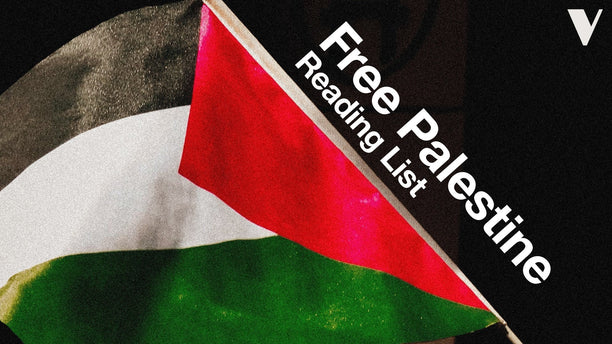
On the anniversary of October 7th, we present our Free Palestine reading list.

Buy one of our new titles and save 30% on related books from our catalogue!
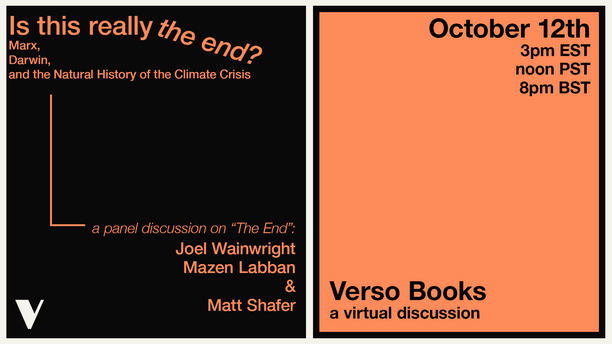
Join us on October 12th @3pm (EST) for a virtual discussion of Joel Wainwright’s The End: Marx, Darwin, and the Natural History of the Climate Crisis.
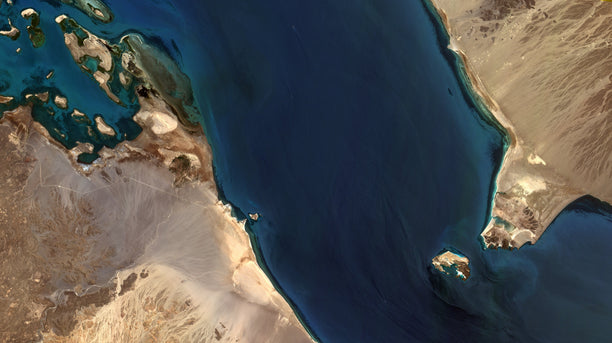
Houthi strikes on Saudi oil tankers have rekindled international interest in Yemen’s forgotten war. Regional expert Helen Lackner, author of Yemen in Crisis, brings us up to date.
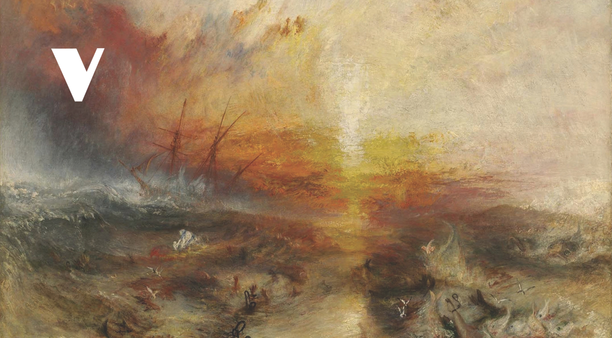
An excerpt from the introduction of Kenan Van De Mieroop-Al Bahrani's new book The Weight of Nightmares: Time and the Politics of Reparations for Slavery, out today.
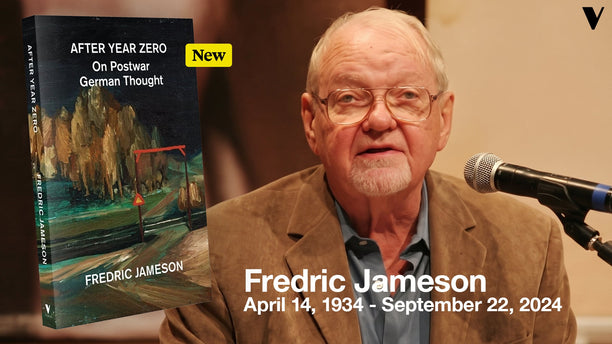
Few radical thinkers have had such a phenomenal impact on literary criticism, critical theory, and philosophy.

Samuel Stein and David Madden join the Verso Book Club Reading Group to reckon with the ongoing fight for a right to shelter, a right to a home, and a right to the city itself.
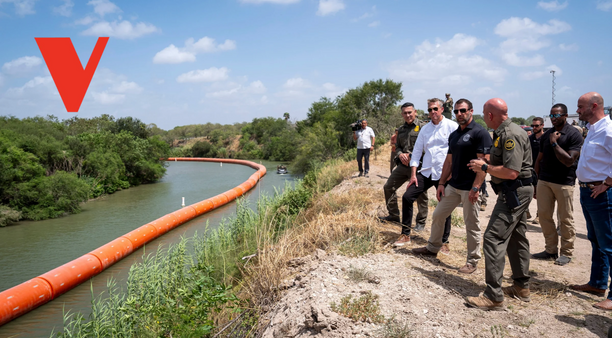
Gabriel Meier on violence in the Mexico-US borderlands and the new transnational circuits of global apartheid.
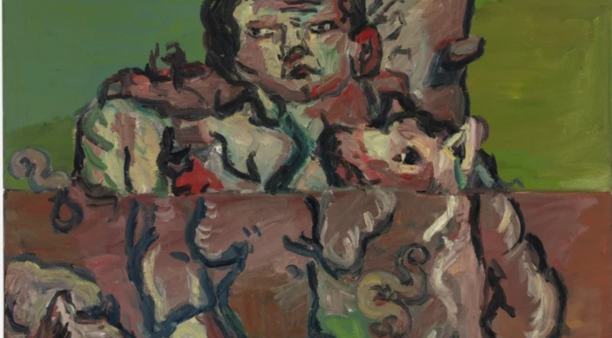
An excerpt from After Year Zero: On Postwar German Thought, out today.

An excerpt from Slavoj Žižek's 2002 book Welcome to the Desert of the Real: Five Essays on September 11th and Related Dates.