We are black, it is true, but tell us, gentlemen, you who are so judicious, what is the law that says that the black man must belong to and be the property of the white man? ... Yes, gentleman, we are free like you, and it is only by your avarice and our ignorance that anyone is still held in slavery up to this day, and we can neither see nor find the right that you pretend to have over us ... We are your equals then, by natural right, and if nature pleases itself to diversify colours within the human race, it is not a crime to be born black nor an advantage to be white.
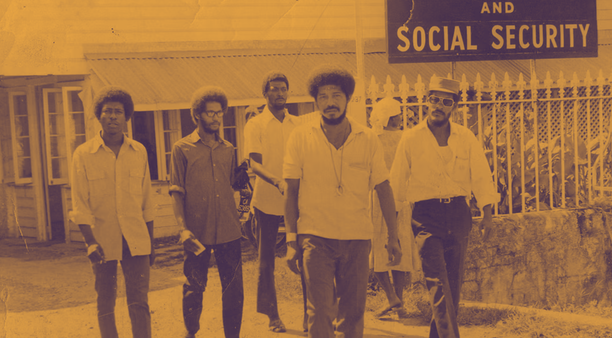
This excerpt is from a letter written in July 1792 by the leaders of the revolution of Haitian slaves. The letter has been republished in the collection of writings of the black leader Toussaint L'Overture, The Haitian Revolution, which includes also the correspondence between him and Napoleon Bonaparte. In the late eighteenth century, Toussaint L'Overture and his supporters established the first black republic in the world.
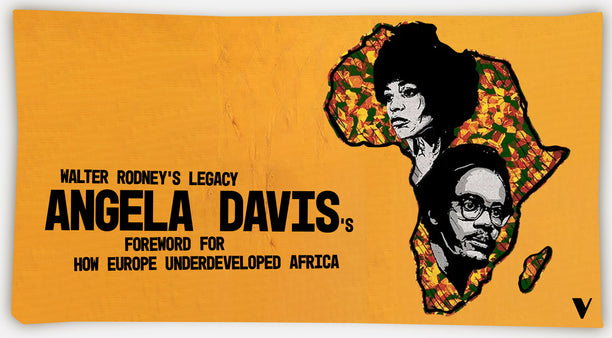
In the United Kingdom, October is Black History Month. The celebration was originally introduced in 1926 on the initiative of Carter G. Woodson, the editor of the Journal of Negro History. In 2007, no fewer than 6,000 events were held in the UK as part of its programme. Here are some key Verso titles past and present that are relevant to the study and celebration of African and Caribbean history.
Lucio Magri's The Tailor of Ulm: Communism in the Twentieth Century is "a perfectly sound account" of the history of the Italian Communist Party (PCI), writes Donald Sassoon for the Observer. The book tells how the PCI evolved from "a small, ineffectual, persecuted sect" under Fascism to an organization with more than two million members after World War 2. In the post-war years, Italian Communists "thrived as a responsible opposition under the democratic constitution they had helped to shape." The city councils that were under Communist control "gave Italians a feel for what Swedish social democracy might look like." The trajectory of the Party came abruptly to an end after 1989. In the last two decades, Italian post-Communists have changed the name of their political organizations several times, "as if to bury neurotically all traces of the past," Sassoon points out.
In Sassoon's view, The Tailor of Ulm can be described an "insider's history" of the PCI. Magri was one of the foremost "critical voices" in the party until 1969, when he was expelled with the fellow members of the Manifesto group. Nonetheless, the Manifesto people "never became one of the groupuscules that infested the far left," and eventually rejoined the Party in the 1980s. Despite the misunderstandings between Magri and the orthodox Communist leadership, The Tailor of Ulm is not "a rancorous memoir", but instead "an honest effort to be judicious and balanced," Sassoon notes. Magri's narration at times sounds quite "intimate"
One can feel the pain of a life spent fighting for a better Italy ending up facing such a ridiculous opponent as Silvio Berlusconi, brought down not by the masses but by the markets.
Visit the Observer to read Donald Sassoon's review in full.
Laura Oldfield Ford's Savage Messiah is reviewed for domus by Owen Hatherley. Hatherley describes it as a "self-published montage of fragmentary memoir, revolutionary fantasy and startlingly raw architectural draughtsmanship." In Hatherley's eyes, Ford's artworks are
pervaded alternately with ghostly, overgrown renderings of the harsh, sublime social architecture of the 1960s, especially well represented in Oldfield Ford's native West Yorkshire and adoptive East London.
Two giants of French philosophy discuss psychology, Western culture and the Kantian turn in the history of philosophy in this hidden gem of a video. Michel Foucault is interviewed by Alain Badiou, the acclaimed author of many books including Pocket Pantheon, and the forthcoming The Adventure of French Philosophy (2012), which both engage with Foucault's thought.
Stir features a long interview with the editors of White Riot: Punk Rock and the Politics of Race, Stephen Duncombe and Maxwell Tremblay. The "basic premise" on which the book is grounded, Duncombe and Tremblay explain, is that "race is deeply embedded in Punk Rock, not just musically ... but integral to its very formations." Punk was one of the first subcultures that "acknowledged that we (in the UK and US) were now all living in a multicultural society." At the same time, the book also aims to debunk a white-only representation of the punk scene, stressing
those contributions of non-white punks who were part of the scene from the very beginning yet tend to be marginalized or white-washed entirely out of standard punk histories.
There is much to learn from the history of punk. In an age in which racism seems to be again on the rise, today's young radicals should bear in mind how white punks who claimed to have an anti-racist approach ended up hegemonising the movement, Maxwell Tremblay emphasises:
The lesson of punk rock's attempt to do this is to be mindful of the ways in which subcultures can, in fact, replicate that white power structure within their own limits.