
Capitalism Won't Save the Planet
Radical political solutions to the climate crisis from Andreas Malm, Brett Christophers, Noam Chomsky and more.
Climate Colonialism: Ann Pettifor & Hamza Hamouchene
Ann Pettifor and Hamza Hamouchene join The Verso Podcast to discuss finance capitalism, energy sovereignty, and green colonialism.
Unintimidated Languages: Jameson at 90
In honor of Fredric Jameson's 90th birthday this month, we're publishing a series of short essays focused on the major books in Jameson's oeuvre. Here, Daniel Hartley revisits Jameson's first book, Sartre: The Origins of a Style (1961).
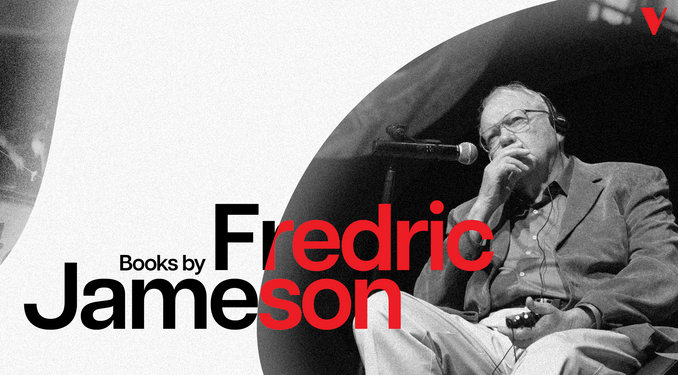
Fredric Jameson: A Giant of Literary and Cultural Theory
Celebrate Fredric Jameson's 90th birthday with us!




Verso Book Club
Our world is changing quickly, from global politics and environmental collapse, to the rise of right-wing political movements and serious economic crises. What hasn't changed is Verso's 50 year-long commitment to radical publishing.
Help us to continue this vital radical publishing tradition by joining the Verso Book Club.
Verso Reading Lists
-
Free Palestine: A Verso Reading List
A reading list on the ongoing struggle for Palestinian liberation.
-
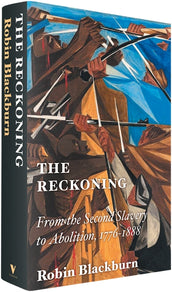
Robin Blackburn: A Lifetime of Scholarship on Slavery and its Abolition
Get 30% off The Reckoning: From the Second Slavery to Abolition, 1776-1888 when you buy 2 or more books by Robin Blackburn. -
New Works of Theory in Context
-
Philosophy at the End of the World
Featuring Ben Ware, Elsa Dorlin, Judith Butler, Frédéric Gros, and more. -
10 Books to Read on International Women's Day
Taking International Women's Day back to its radical roots.
Blog
-
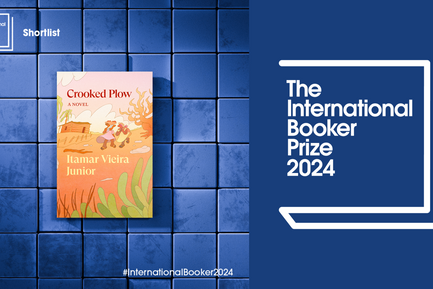
Crooked Plow Shortlisted for the International Booker Prize
"An evocative journey into the heart of rural Brazil, which speaks to the importance of remembering our histories and protecting the land that sustains us." — International Booker Prize 2024
-

From Scratch
Recent months have seen the inexorable rise of the tradwife: the social media influencer who embodies an idealized aesthetic of wifehood. Sarah Brouillette and Astrid Lorange draw up a morbid symptomology of the new anti-feminism. -

There Can Be No Critique
Hamas's attacks on October 7 have sparked a public discussion about the nature of solidarity and how to support the fight for a free Palestine. Here, Judith Butler offers a brief response to Jodi Dean's recent critique of their position on Palestine solidarity alongside a republication of their essay "There Can Be No Critique."





