
Bad Gays: a Letter from the Editor
"This is without a doubt one of the best and most important books I have ever worked on, and I am so happy to share it with you."
"This is without a doubt one of the best and most important books I have ever worked on, and I am so happy to share it with you."

Following the shocking case of Lacey Ellen Fletcher, Jodie Hare argues that the public perception of autism needs to be radically revised through a better understanding of neurodivergence.
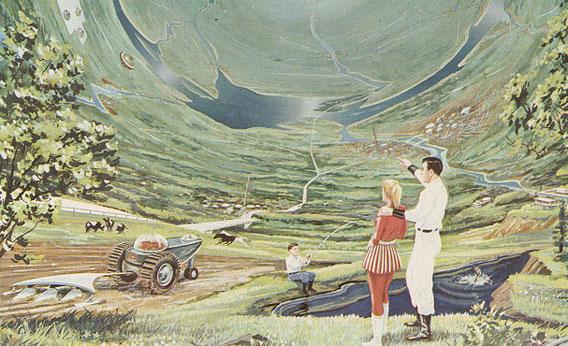
As authors Troy Vettese and Drew Pendergrass argue in their thrilling and provocative new book, we must humbly accept that humanity cannot fully understand or control the earth—but we can plan new energy systems, large-scale rewilding, and food production for the common good.
Here the authors present their Five Book Plan for imagining a utopian eco-socialist future – or a future at all.
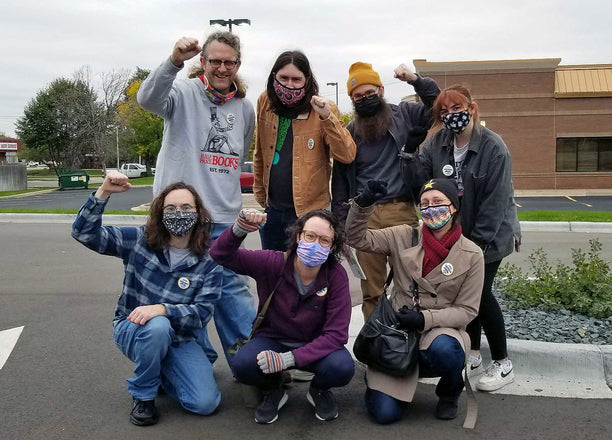
As part of our series on book worker organizing, David Gutsche, who works at Half Price Books in Roseville, Minnesota, talks about the process and pitfalls of workplace organizing.
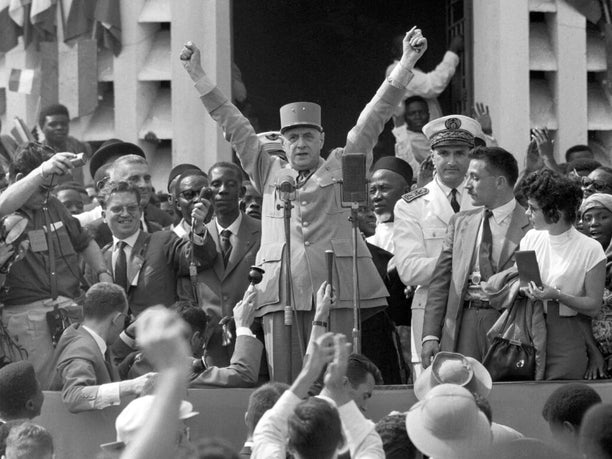
Christian Salmon, author of Storytelling: Bewitching the Modern Mind, on France's national myths.
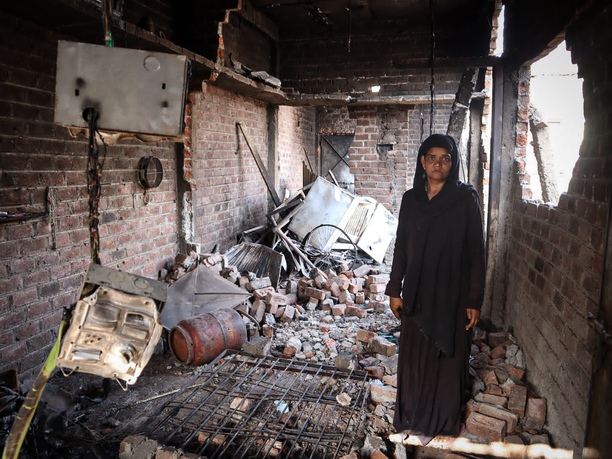
Since the beginning of April, Muslims in India have faced increasing religious persecution and attacks, events that have escalated across the country. Shivangi Mariam Raj reports on this state-led hatred and violence, and the threat of genocide facing the country's 207 million Muslims.
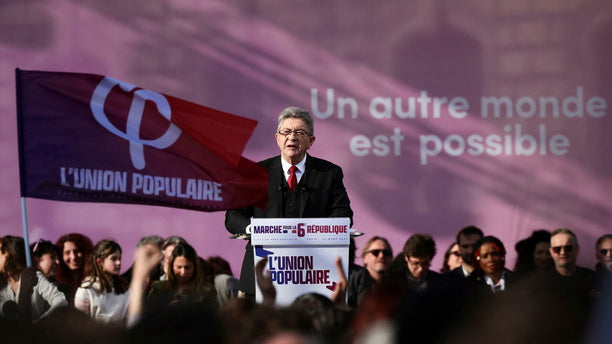
Edwy Plenel, author of For the Muslims, on the opportunity for an alliance of the main left-wing parties in the 2022 French legislative election.
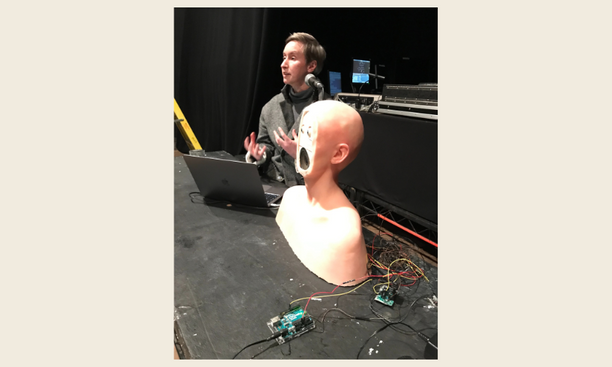
Joanna Walsh picks 5 books that inspired Girl Online: A User Manual
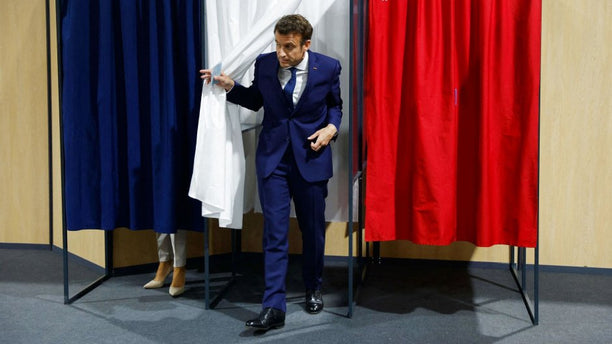
What is left for the left after the reelection of Emmanuel Macron in France? According to Frédéric Lordon, the French election of 2022 will not have been totally in vain if it at least allows us to disengage ourselves from electoral belief. In relation to its purpose, which is to ‘bring politics to life’, election is a fraud.
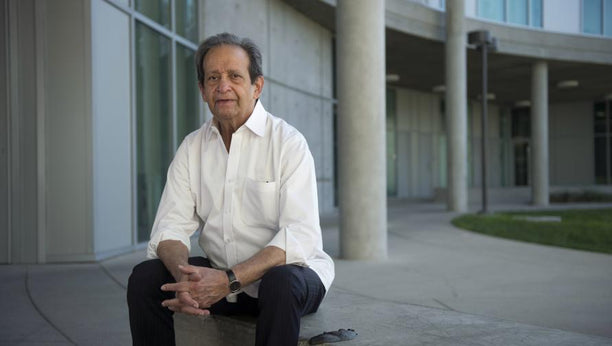
In memory of Aijaz Ahmad (1941-2022)

"When I received an early draft of the opening sections of the book, Ben warned me that some of it was a bit out there. He wasn't wrong."
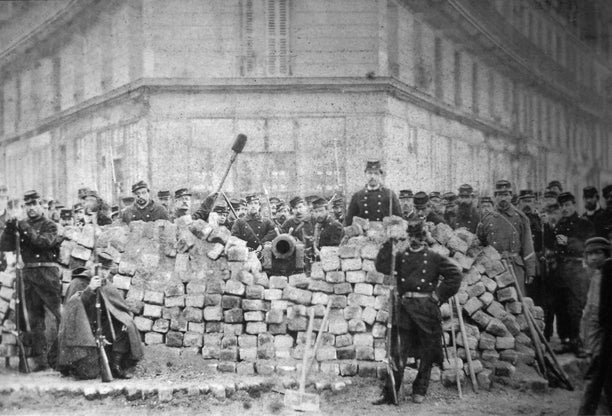
What is the significance of Auguste Blanqui for contemporary politics? In what ways might his political theory inform or serve as a corrective to recent debates about collective political action and radical social change? Here, Philippe Le Goff argues that Blanqui can help us formulate some of our most basic assumptions and questions today.