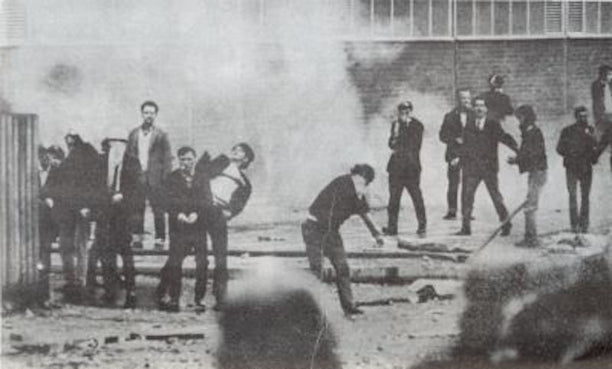
Tear gas: from the battlefield to the streets
In this excerpt from Tear Gas, Anna Feigenbaum describes the history of the Himsworth Report, used by governments around the world to justify the use of tear gas.
In this excerpt from Tear Gas, Anna Feigenbaum describes the history of the Himsworth Report, used by governments around the world to justify the use of tear gas.

It took just 66 days to get from the first shelter-in-place order to the first riot. Joshua Clover writes on the current protests and riots that have sprung up across the United States in the wake of the murder of George Floyd in Minneapolis, and their context at a time of economic and social crisis.
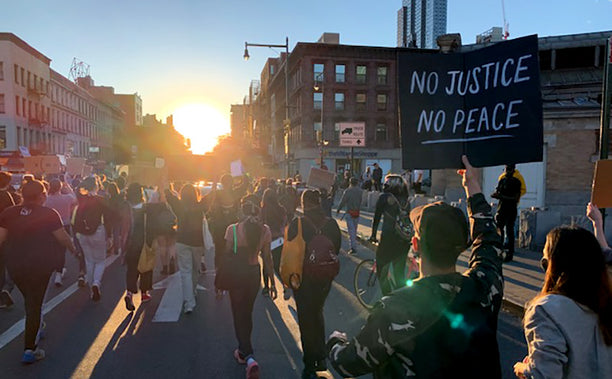
Policing is itself a kind of endless curfew. To the defenders of order, there are always fires that need covering because there is always disorder lurking in the populace, threatening to burn the system down.

The police have always been used as a tool for the social control of minority populations and to protect the power and property of the elite. A reading list that puts the call for the abolishment of the police in historical context.
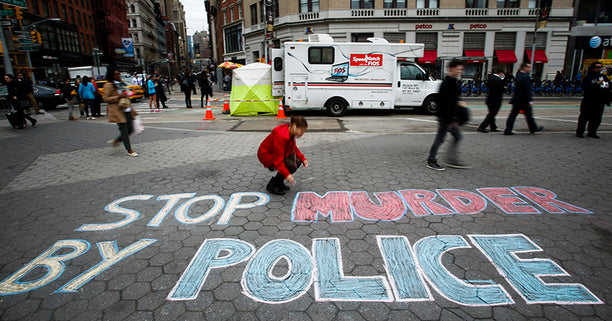
A recent history of broken windows policing with Joo-Hyun Kang, director of Communities United for Police Reform.

Adam Hanieh on the challenges Covid-19 and the debt crisis pose to countries in the global south, with Alex Doherty on the Politics Theory Other podcast.
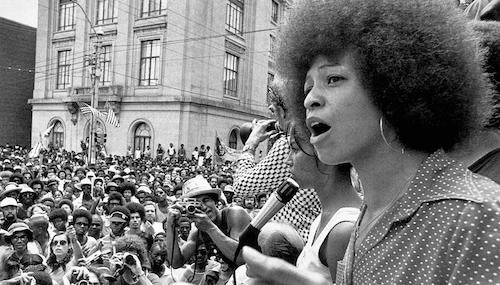
An interview with Angela Davis in October 1970 from the Women's House of Detention, New York.

The place of this riot is the street, the street where Michael Brown was murdered, the street where people gathered to await the news that his killer would not be indicted, the street where people met up afterward. The matching scenes from around the nation convey an uncanny sense of coordination, of organization without an organization.

The tainted origins of modern policing are as a tool of social control. The best solution to bad policing may be an end to policing.
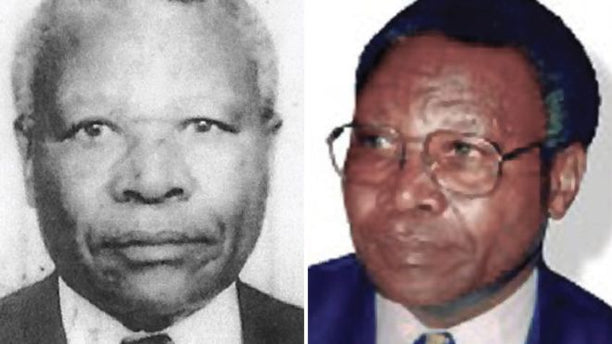
Linda Melvern, author of Intent to Deceive, on the arrest of Felicien Kabuga, one of leaders of the 1994 genocide of the Tutsi.
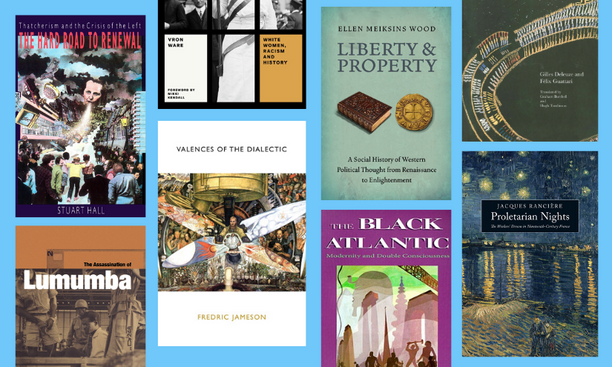
... and back in print! From Stuart Hall to Ellen Meiksins Wood, stock up on these classic works of theory and politics.
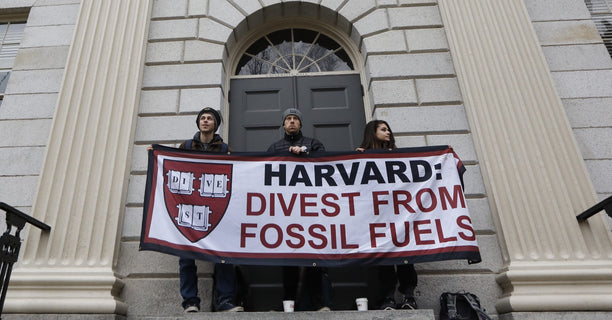
In the face of a future in which only the richest schools thrive, it’s worth asking: what value do these Ivy League schools serve for the rest of society? Barnard student Khadija Hussain reports on the Ivy League-to-finance pipeline.