
The Opposite of Forgetfulness: Adorno on Gift-Giving
As we start our descent towards the seasonal hell of present buying, mutual recrimination, and buyer's remorse, it’s worthwhile to reflect on Adorno’s thoughts on gift-giving.
As we start our descent towards the seasonal hell of present buying, mutual recrimination, and buyer's remorse, it’s worthwhile to reflect on Adorno’s thoughts on gift-giving.
To mark the publication of Stuart Jeffries' Grand Hotel Abyss: The Lives of the Frankfurt School we're publishing excerpts and pieces related to Frankfurt School thinkers. Grand Hotel Abyss is now out in paperback and 30% off.
Galvano Della Volpe's consideration of literary realism after Engels' famous remarks on Balzac and Lenin's on Tolstoy.

Much of the UK tabloids' coverage of SOAS students’ demands is an unedifying combination of 1980s “loony Left” bashing and Trumpism.
The idea of emancipation makes us think of politics in terms of a conflict of worlds in contrast to the dominant idea that assimilates it to a conflict of forces.
Adrian Wilding reviews a new book by critical theorist Oskar Negt, "an autobiography that is also a profound philosophical, psychological and sociological inquiry."
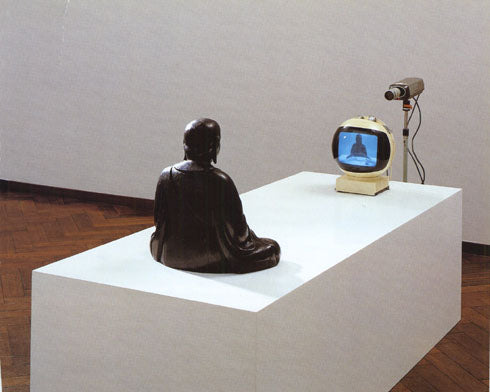
Continuing with a series of bonus chapters to General Intellects, McKenzie Wark looks at Yves Citton's work on the ecology of attention. Given the what can only be described as the media shitshow of recent times, an ecology of attention might be a good thing to which to pay some attention.

A conversation with Alain Supiot, a specialist in labour law and a professor at the Collège de France, about Simone Weil's wide-ranging thought.
Timpanaro launches a polemic against the two major tendences of post-war Western Marxism — Frankfurt School critical theory and Althusserian structuralism — and a defense of the late Engels in an effort to reunite historical materialism with a materialism of the natural sciences, inspired by the writings of Giacomo Leopardi.
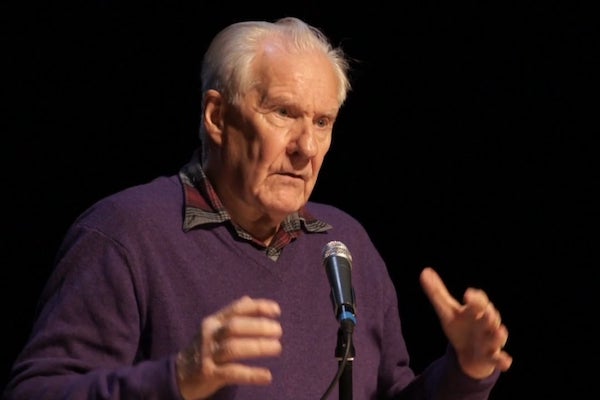
With the publication of Que signifie "changer le monde"? [What does 'changing the world' mean?], a new book based on his seminar, Alain Badiou looks back on what attaches him revolutionary hope.
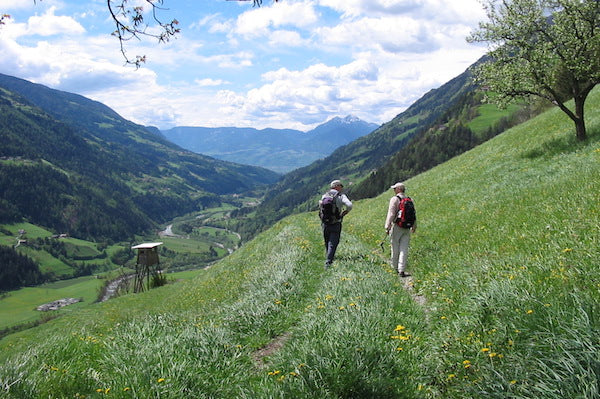
In this interview with Nicolas Truong, philosopher and writer Frédéric Gros analyses how walking can take on a political meaning. Whether individual or collective, the march is the mode of popular expression par excellence.
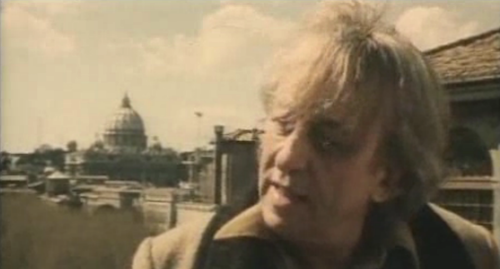
Louis Althusser did not often given television interviews. A rare exception was his April 1980 appearance on the Italian Radio Television (RAI) program Multimedia Encyclopaedia of the Philosophical Sciences. Below is a transcript of his conversation with host Renato Parascandolo, translated by Ron Salaj.