Freedom & Prostitution
Cassandra Troyan navigates the histories of sex worker resistance and struggles against gendered violence and capital, towards revolution.
Cassandra Troyan navigates the histories of sex worker resistance and struggles against gendered violence and capital, towards revolution.
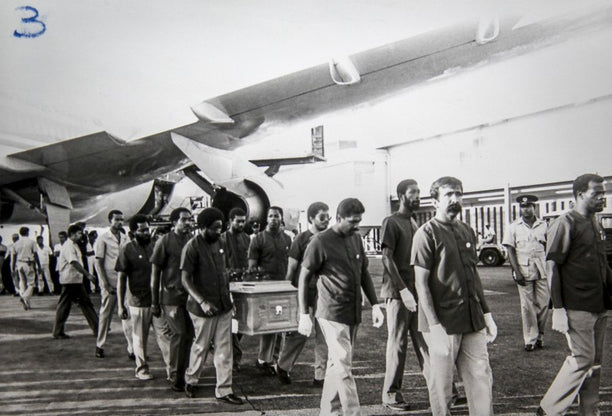
C. L. R. James, the pioneering Trinidadian socialist historian and writer, died on this day 30 years ago in London with his funeral held a few weeks later at Tunapuna Cemetery, Trinidad. On the arrival back in Trinidad of his body, his long-time comrade John La Rose read passages of Aimé Césaire’s Cahier d’un retour au pays natal - the great Caribbean poem of exile and return. In this article, Jackqueline Frost investigates the continental connections of James and Césaire, and the politics of return.

Are the Yellow Vest protests in France simply the reflection of a resurgent far right populism, and who has gained most from the wave of protests? In this article, the Quantité Critique collective investigate the politics of the movement, and argue that at play is a decisive political battle between the left and right.
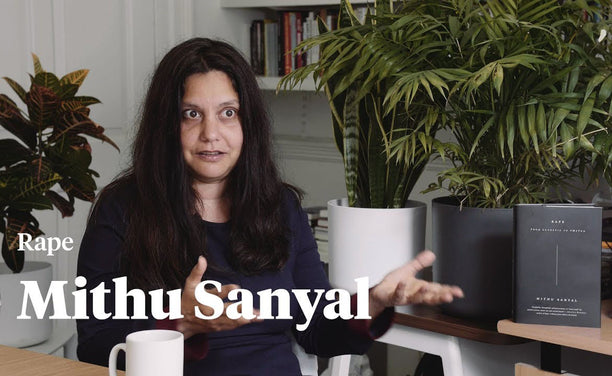
In these videos, Mithu Sanyal examines the role of race and the recurrent image of the black rapist, the omission of male victims, and the racist agenda behind media reporting of rape. She is the author of Rape: From Lucretia to #MeToo

If there is one thing that everyone knows about Louis Althusser, it is that he killed his wife - the sociologist and résistante Hélène Rytmann-Légotien. In this article, William S. Lewis asks how should this fact effect the reception of Althusser's work, and how should those who find Althusser's reconceptualisation of Marx and Marxism usefully respond?
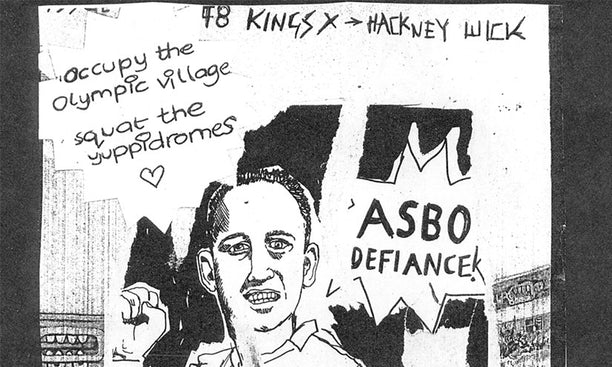
The acclaimed art fanzine’s psychogeographic drifts through a ruined city.
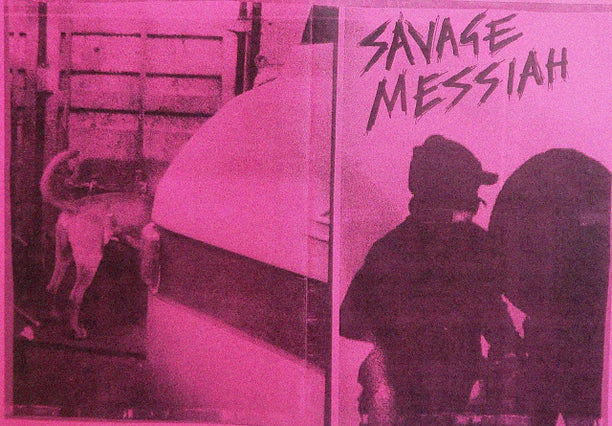
If the corporate-speak of the finance-capital matrix becomes the official text of the city then perhaps it is the alleys, unmarked paths and towpaths that harbour our unformed thoughts, half-remembered dreams and repressed memories.
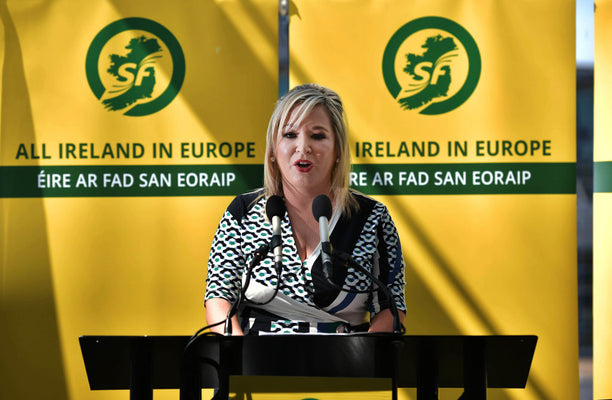
The crisis surrounding Britain’s break with the EU has revitalized support for Irish unity. Yet with Brexit still hanging in the balance, Sinn Féin’s path to its historic goal is anything but clear.

The morning after the European Parliament elections come to a close in the UK, we share our key Europe reading

From the first ever council estate in Shoreditch, to Ernő Goldfinger's privatised masterpiece, these buildings represent one of the most important struggles of our times – the drive for decent housing for all.

As the Yellow Vests protests enter their sixth month, philosopher Alain Badiou considers the meaning of the movement: "Once the hyperbole and bluster are over, the yellow vest movement can be very useful in the future, as Marx put it: from the standpoint of its future."
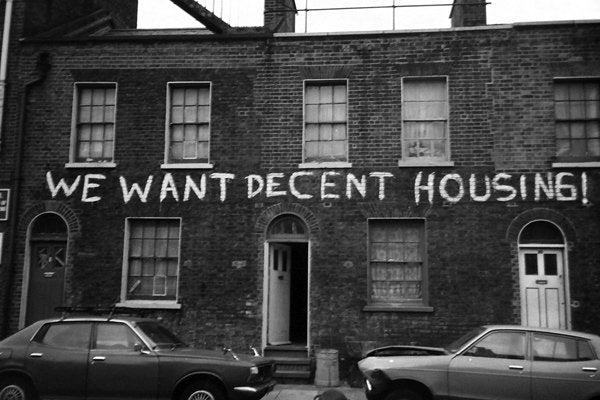
In every major city in the world there is a housing crisis. How did this happen and what can we do about it?