
Interview with Tony Wood
Tony Wood, author of Russia Without Putin, interviewed on Sean's Russia Blog podcast.
Tony Wood, author of Russia Without Putin, interviewed on Sean's Russia Blog podcast.
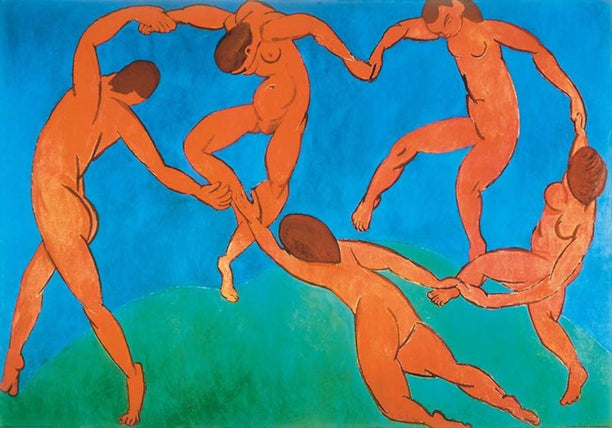
How we understand the capitalist state effects how we think about power and what a socialist transition would mean. In this article, Stephen Maher and Rafael Khachaturian argue that the left in the US needs to move beyond both the Leninist and the social democratic conceptions of the state in order to develop a democratic socialist politics for the 21st century.

An open letter, originally published in French, written by a collective of French 'Gilets Jaunes' university academics - reacting to the social inequalities raised by the Yellow Vests movement, the series of measures the French government has taken since the movement's beginning on 17 November 2018, and to abuses by the police forces during demonstrations and protest actions. The letter demands an acknowledgement of the movement's demands, the resignation of the Interior Minister, and public inquiries into the violent repression that has swept France. As of the 15 May 2019, the letter has collected over 20,000 signatures. It joins similar calls and reactions by famous artists and medical doctors

Nathan Jurgenson's theoretical reflections on photography and social media; 40% off until May 20.

In this essay, Nathan Jurgenson defends the selfie from its critics. Neither basic, nor narcissistic, the selfie is a mirror of identity; a performance that reveals far more than it conceals.

The scale of the impending climate crisis is now apparent to more or less everyone. Yet, whilst it's been the left that has taken the lead in reponding to climate change for several generations, it is increasingly the far-right who are developing political responses to catastrophe. This has been reflected in the growing eco-fascist movement, a movement who were parachuted to global prominence on the 15th March this year when one of their number murdered fifty people in two Christchurch mosques. In this article, Eleanor Penny analyses eco-fascism and asks what it will take the left to deal with the scale of the climate crisis.
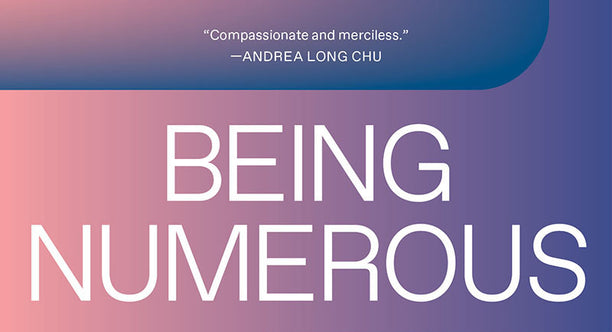
Natasha Lennard's Being Numerous: Essays on Non-Fascist Life asks what it takes to fight fascism.

The Tories have a millennial problem. That's the conclusion of a series of interventions in the past few months from a range of Conservatives, not least Liz Truss free-market conservatism to “Uber-riding, Airbnb-ing, Deliveroo-eating freedom fighters". But what's behind this appeal to the lifestyle freedom of the "Boohoo generation"? In this article, Orlando Lazar argues that debating the left on the terrain of freedom is dangerous territory for the Tories, and one which elides the dynamics of modern capitalism.
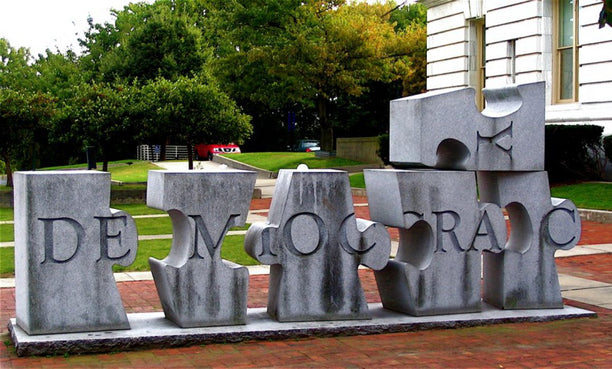
In response to the increasing iniquities of contemporary capitalism, Michel Aglietta argues that the only way out is through increasing political democracy, and a radical democratisation of the economy.
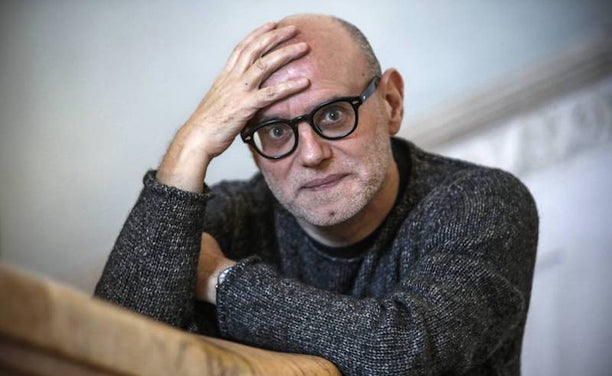
Enzo Traverso interviewed by Vincent Martign about the current state of the international left and its future prospects.

The first annual Christopher Hill Memorial Lecture was given on November 3rd 2018 in Newark and 27th March 2019 in London by Professor Justin Champion, and titled "Heaven Taken by Storm: Christopher Hill, Andrew Marvell and the Dissenting Tradition". In this, the text of the lecture, Champion defends Christopher Hill's Marxist method against its revisionist detractors and seeks to extend Hill's reading of Andew Marvell, particularly his reflections on Marvell's topical satires in verse and prose of the Restoration.

Bhaskar Sunkara explores socialism’s history and presents a realistic vision for its future.