
Liberal Sex Education - More Subtle Oppression
How is sex taught in schools? How could it be taught? Isn’t there something rather odd about the whole idea? An excerpt from Come Together: The Years of Gay Liberation 1970-73 edited by Aubrey Walter
How is sex taught in schools? How could it be taught? Isn’t there something rather odd about the whole idea? An excerpt from Come Together: The Years of Gay Liberation 1970-73 edited by Aubrey Walter
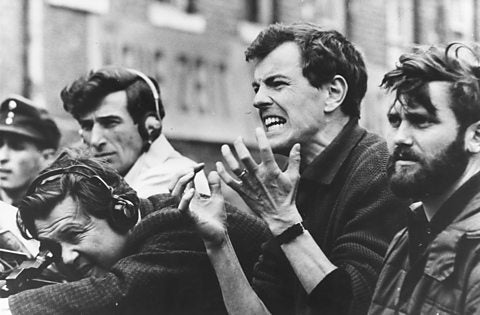
The Suite (212) podcast presented by Juliet Jacques and Tom Overton returns. This week, Gareth Evans joins Juliet to discuss the radical filmmaker and media theorist Peter Watkins, whose critique of the 'monoform' exposed the authoritarian tendencies of Mass Audio-Visual Media.
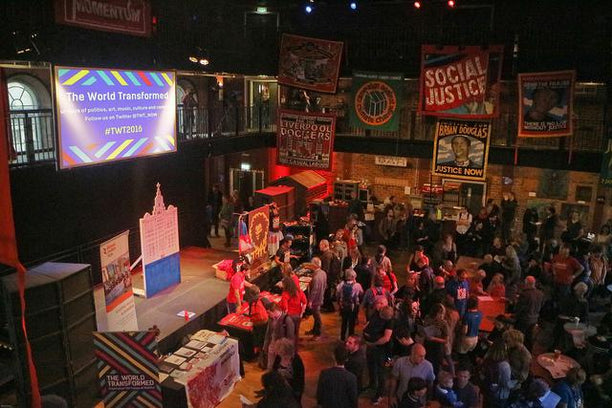
Recent debates on the British and the German left have reopened the question of the relation between socialism, the global economy, and the nation state. In this essay, Christine Berry argues that we must develop a new politics, one that is open to people but closed to global capital, for a truly radical left politics, and one that can overcome the resurgent far right.
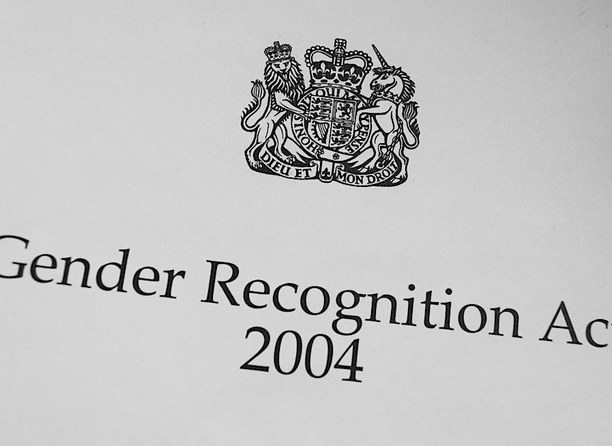
This Friday, the 19th October, the Government's consultation on a proposed reform of the Gender Recognition Act will close. The process has become a focal point for a heated and often toxic debate over what we as a society owe to trans people, and how the claims of the trans community relate to the characteristic commitments and concerns of feminism. In this article, Lorna Finlayson, Katharine Jenkins, and Rosie Worsdale make the feminist case for trans inclusivity.
An extract from Homosexuality: Power and Politics by The Gay Left Collective - an anthology combining the very best of their work from 1975 and 1980, exploring masculinity and workplace organising, counterculture and disco, the survivals of victorian morality and the onset of the HIV/AIDS crisis.
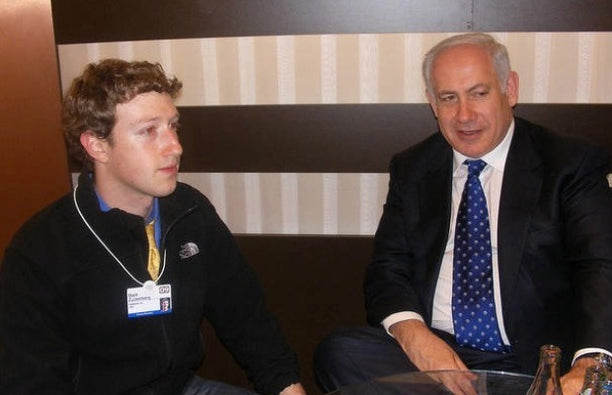
Recent events have conclusively proved that social media is not the neutral global community that it is often taken to be – not least the recent purge of Facebook profiles of those voices critical of US foreign policy. In this article, Lewis Bassett argues that we are beginning to witness the growth of a tech monopoly capitalism that backs up US imperialism, and asks how, in the face of this, can we build a new left media.
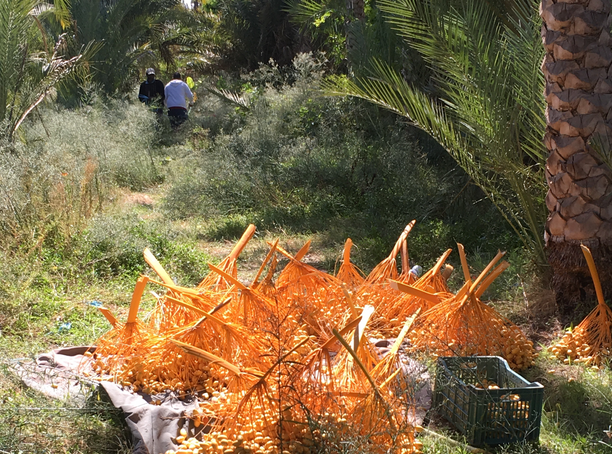
Today is the International Day of Action for Peoples’ Food Sovereignty, organised by La Via Campesina. In this article, Max Ajl reports from Tunisia on the struggles for food sovereignty there, and on what it means for the Global South.
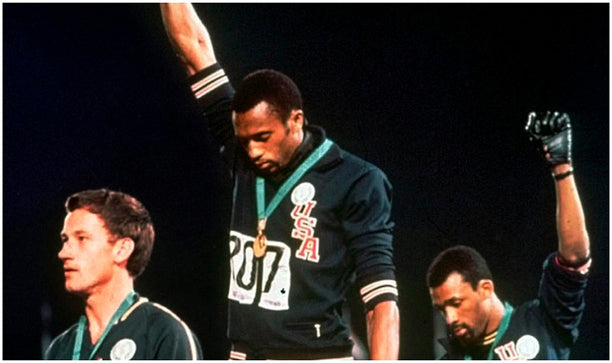
Today marks the 50th anniversary of Tommie Smith and John Carlos' iconic black power salute on the 200-meter dash podium at the 1968 Mexico City Olympics. Jules Boykoff explains the significance of this radical act in this excerpt from Power Games.
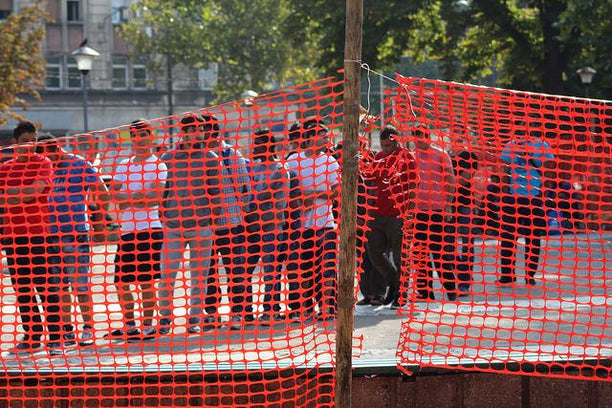
Who should be protected by the international system of law? Do economic migrants have the same right to entry as those fleeing war and destruction? In this episode of This is Hell! Radio, Daniel Trilling addresses these crucial questions and argues for an international framework that treats migration as a human need, rather than as a problem that can only be solved through violent state repression and militarised borders.
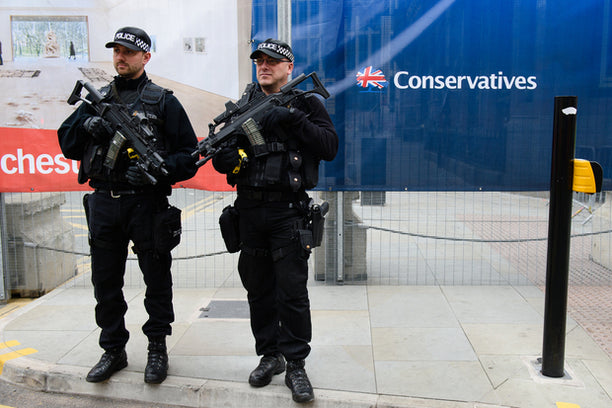
Nisha Kapoor discusses Islamophobia, the War on Terror, the adoption of counterinsurgency tactics in the UK, and the government's 'Prevent' counter-terrorism programme and its effects on Britain's Muslim population, with Alex Doherty on the Politics Theory Other podcast
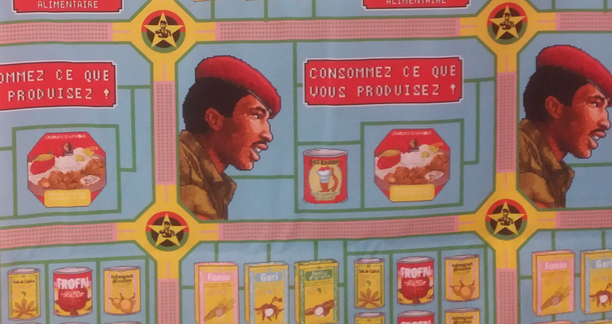
Today marks the 31st anniversary of the assassination of Thomas Sankara, leader of the Burkinabè August Revolution which overthrew country’s corrupt military leadership in 1983. In this essay, Amber Murrey reflects on Sankara's legacy, and the ways in which that legacy is remembered via art and music in West Africa.

How do we think through the relation between race and class in capitalism? Responding to the recent intervention of Adolph Reed, Joshua Clover and Nikhil Pal Singh argue that, following Stuart Hall, race is the modality in which class is lived and that only by capturing the fundamental social experience of the unity of race and class can we avoid the pitfalls of separating them analytically and falling into "bothandism".