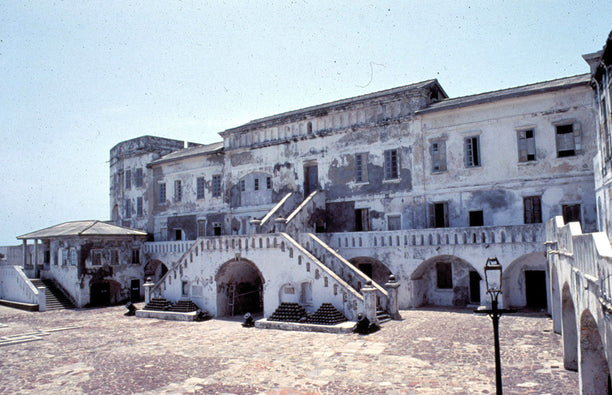
The Imperial Boomerang: How colonial methods of repression migrate back to the metropolis
The first article in a five-part series examining the ‘imperial boomerang effect’ and its operation in a range of contexts.
The first article in a five-part series examining the ‘imperial boomerang effect’ and its operation in a range of contexts.
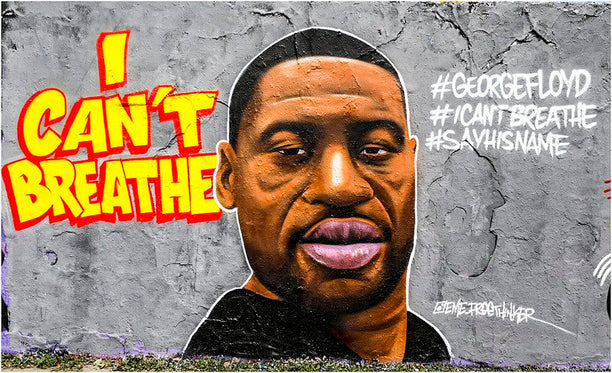
At least since the late 1970s and early 1980s, the Los Angeles and New York police departments used and justified chokehold techniques, while at the same time banning and sanctioning some versions of the technique. In a five-year period in the 1980s, LAPD officers killed sixteen people with a chokehold, and fourteen of these deaths were of Black people.
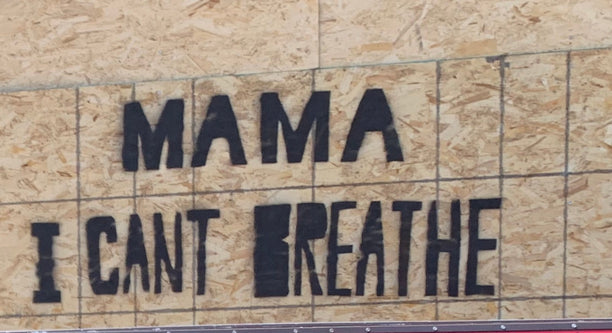
Kate Derickson reports from the Minneapolis Uprising: "During those long nights, new subjectivities were formed, and the grammar of the social order was suspended, allowing arrangements to be newly sensed, new forms of solidarities to be detected. These tentative arrangements repositioned the police as not on 'our' side."
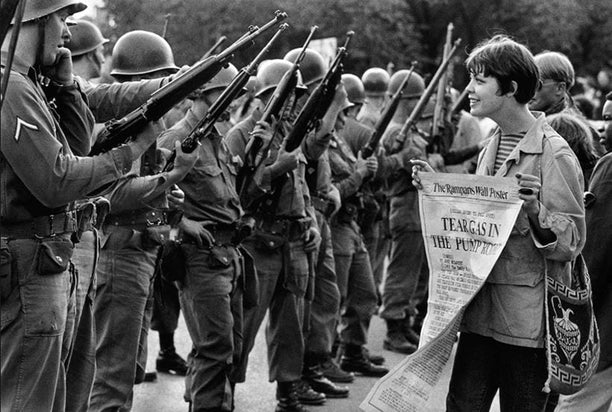
While delegates made their way to Chicago for the 1968 Democratic National Convention, tens of thousands of protesters were set to converge in the city for a week of civil disobedience. Protesters, passersby, and even residents out on their porches were beaten. The chasing, swinging, and clubbing was indiscriminate. Journalists, denied any special treatment, were battered and taunted, at times even targeted.
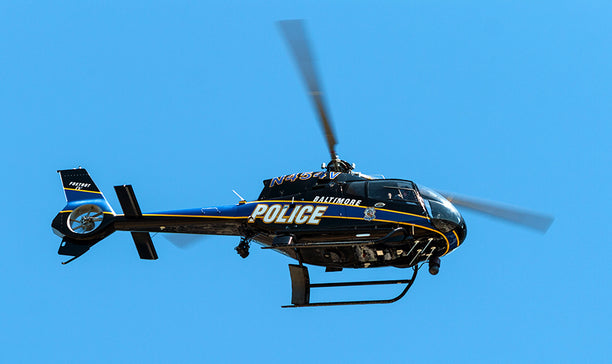
More than 2,000 police helicopters prowl the skies over US cities. If we consider the tactical helicopters operated by US police departments as a unit, it is larger than every military on earth except for the fleets maintained by the United States, China and Russia.
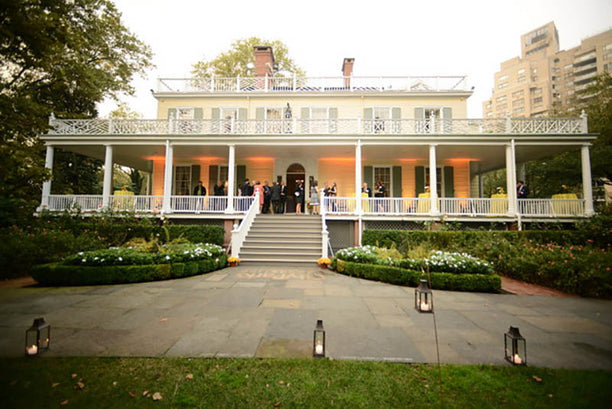
The elite fear the destruction of their property, yes, but even more they fear the destruction of the social relations that make private property possible. And so they fear a world without police.
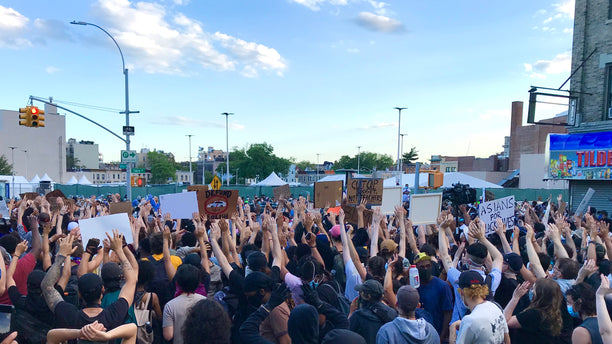
"What separates a martyr from an ally lies in who calls the shots, who does the grunt work, who gets the glory and who decides, in the aftermath, how the story of the uprising is told." Audrea Lim reports on this week's protests against racist police violence in New York City.
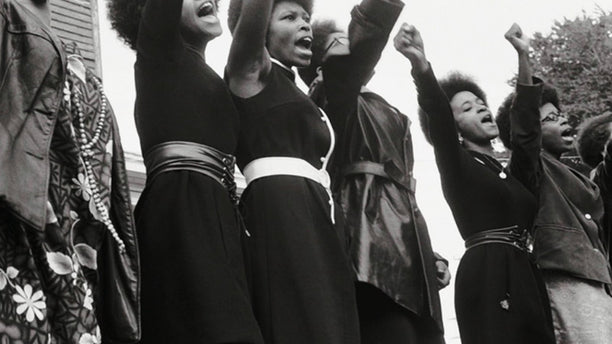
An account of the Black Panthers’ United Front against Fascism (UFAF) conference in August 1969 that appeared in the Old Mole, a paper of the Students for a Democratic Society.

The following is taken from Lola Okolosie's Foreword to The Heart of the Race: a testimony to the collective experience of black women in Britain, and their relationship to the British state throughout its long history of slavery, empire and colonialism.
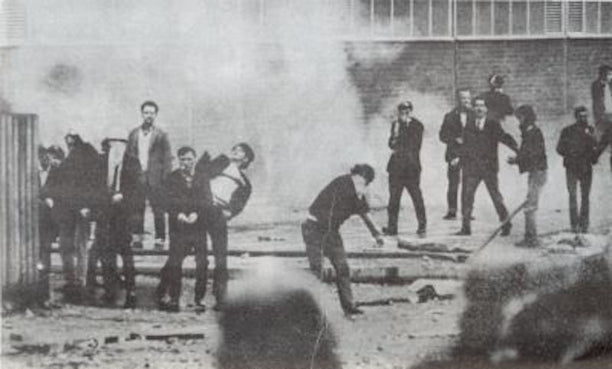
In this excerpt from Tear Gas, Anna Feigenbaum describes the history of the Himsworth Report, used by governments around the world to justify the use of tear gas.
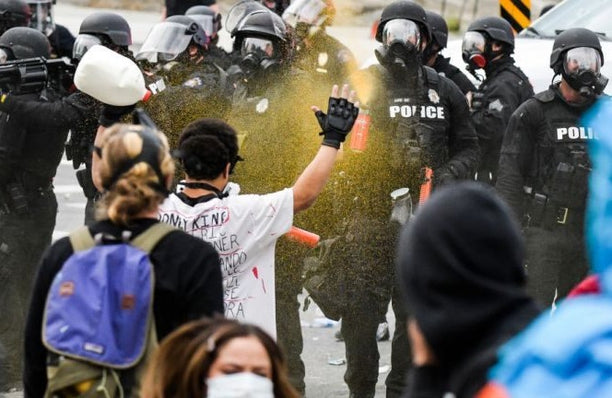
It took just 66 days to get from the first shelter-in-place order to the first riot. Joshua Clover writes on the current protests and riots that have sprung up across the United States in the wake of the murder of George Floyd in Minneapolis, and their context at a time of economic and social crisis.
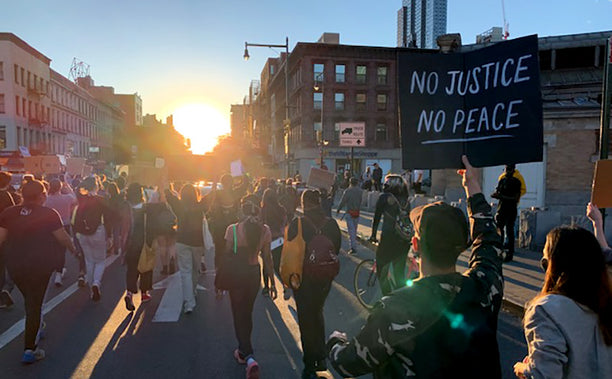
Policing is itself a kind of endless curfew. To the defenders of order, there are always fires that need covering because there is always disorder lurking in the populace, threatening to burn the system down.