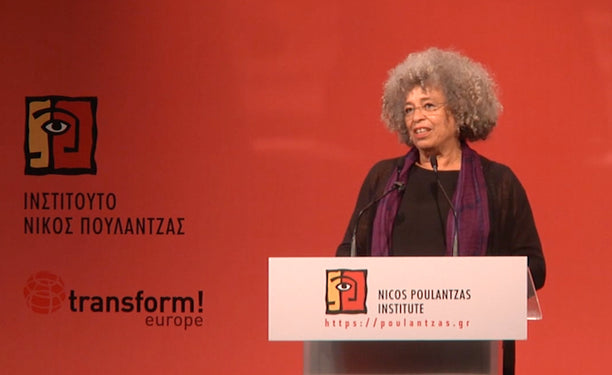
Video: Angela Davis — Abolition Feminism: Theories and Practices for Our Time
Angela Davis discusses the development of anti-racist, Marxist feminisms.
Angela Davis discusses the development of anti-racist, Marxist feminisms.

Johanna Brenner considers a variety of strategies by which caregiving might be socialized outside the institutions of family and household.

An open letter by French feminists and researchers into gender violence in opposition to a proposed law to make street harassment an infraction.
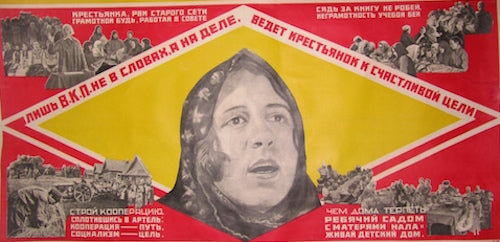
In this long-read, Sheila Rowbotham examines the changing conditions for women before, during, and after the Russian Revolution, as well as the political and social roles played by women during each period.
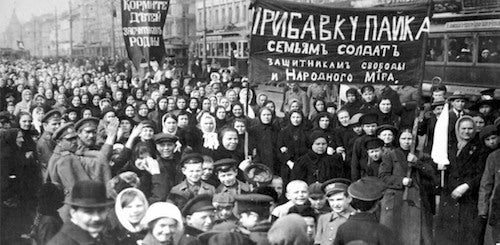
In the second part of this long-read, Sheila Rowbotham examines the changing conditions for women before, during, and after the Russian Revolution, as well as the political and social roles played by women during each period.
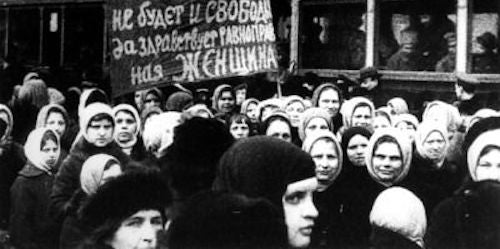
The history of 1917 in Russia requires a full range of voices, and attention to the entire spectrum of human emotions and experiences, within the masses as well as the elites.

Reflections by Sheila Benson, Dorothy Wedderburn, and Lynne Segal on the experiences of women within Britain's New Left.

In the Cut cannily moves its counter across a board whose rules have been laid down by Freudian psychoanalysis, Propp’s analysis of folk tales, and film theory’s obsession with the B-movie and noir.
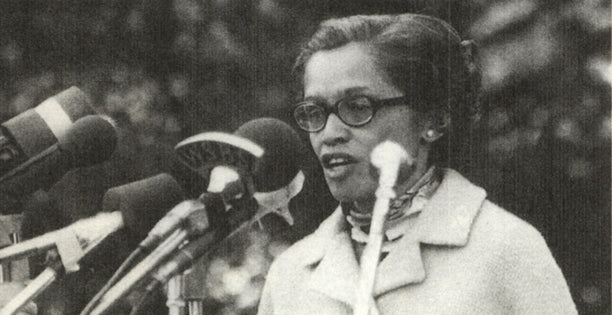
The promse of 1917 allowed African American women to assert themselves as an integral part of a global movement to end racism, sexism, and imperialism.

To explain the origins of female subordination we need a theory that accounts for the control of women's work by men.
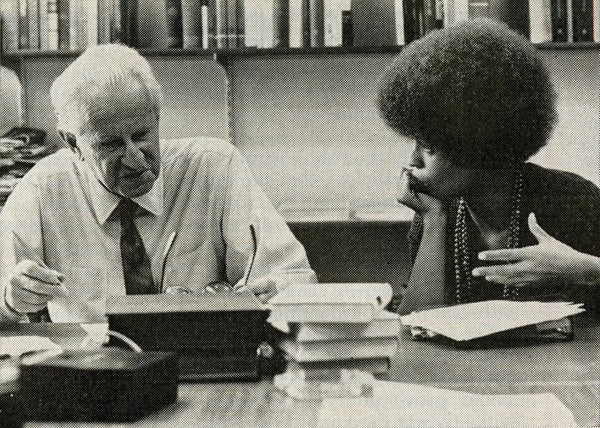
Stuart Jeffries on the Frankfurt School's absence of women and the points of contact between the thinkers associated with the Institute für Sozialforschung and theorists of feminism.

To confront this changing landscape of work, we need today to draw on Marxist feminist analyses of gendered forms of both waged and unwaged work. The practical implication of this is that, if we want to both understand and resist contemporary forms of exploitation, Marxists can no longer remain ignorant of or separated from feminist theories and practices.