News

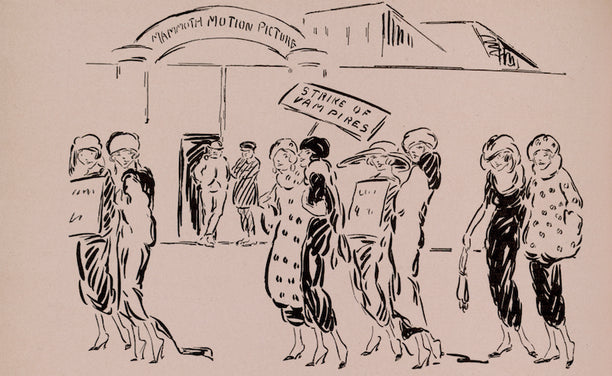
  • Detail from Ethel Plummer, "If the Strike Fever Hits the Movies," Shadowland magazine, December 1919.

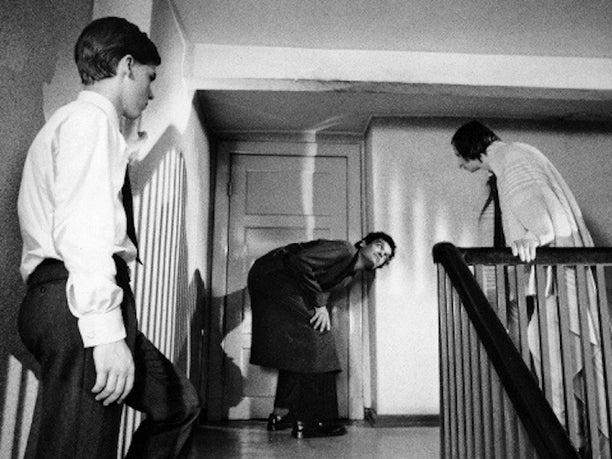
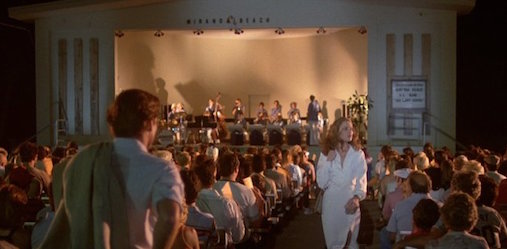
    Movie (1934)

    A 1934 poem by Muriel Rukeyser, collected in Red Velvet Seat: Women's Writing on the First Fifty Years of Cinema.

  • Detective Novels, On Tour

    Detective Novels, On Tour

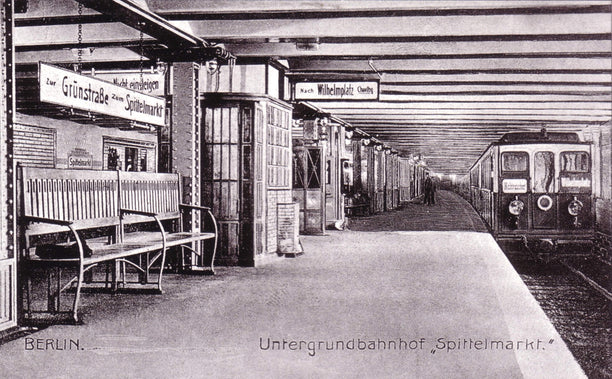
    Below is a short essay on train station novels written by Walter Benjamin for Frankfurter Zeitung in 1930, collected in The Storyteller, and translated by Sam Dolbear, Esther Leslie and Sebastian Truskolaski.

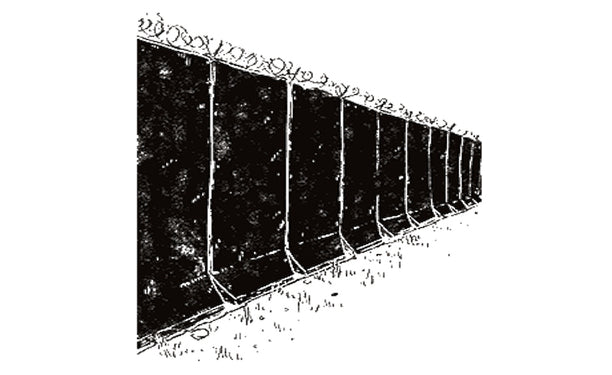
  • Detail from Amze Emmons' cover illustration for Transnational Battle Field.

    Two Poems by Heriberto Yépez

    "Yépez is at the forefront of a generation of writers who are questioning notions of fluidity and synthesis, a generation that has seen those same categories veil the advent of global neoliberalism," Edgar Garcia has written.

  • Kate Millett with her "Naked Lady," Los Angeles Women's Center, 1977. Photo by Michiko Matsumoto. Kate Millett papers, Sallie Bingham Center for Women's History & Culture, Duke University.

    Eulogy

    Kate Millett remembers her mother.  

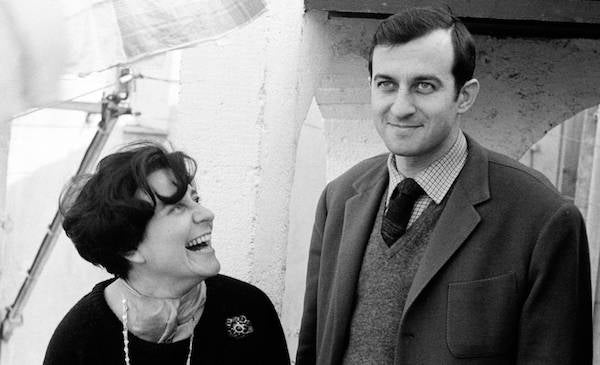
  • Juan Goytisolo and Monique Lange, 1964.

    History Was In a Hurry: Autumn 1956 in Paris

    In this excerpt from his memoir, Juan Goytisolo reflects on the early months of his exile from Franco's Spain in France and his encounters with French intellectuals and PCF militants in his effort to launch a Spanish-language political and cultural journal. 

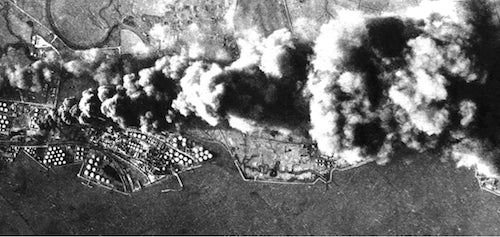
  • On <i>War Primer</i>

    On War Primer

    Brecht’s verses say uncomfortable truths rather than toe party lines and so offer us a still vital critique of the economic forces behind war, of how wartime rhetoric becomes a lie machine unfairly demonising and dehumanising our foes.

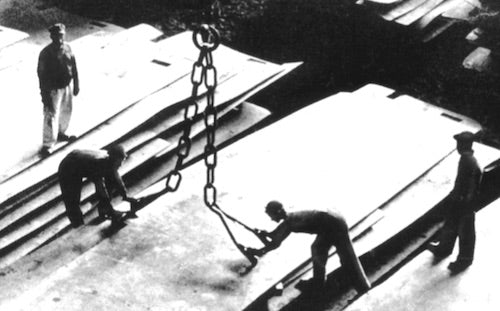
  • Manual of War: on Bertolt Brecht’s <i>War Primer</i>

    Manual of War: on Bertolt Brecht’s War Primer

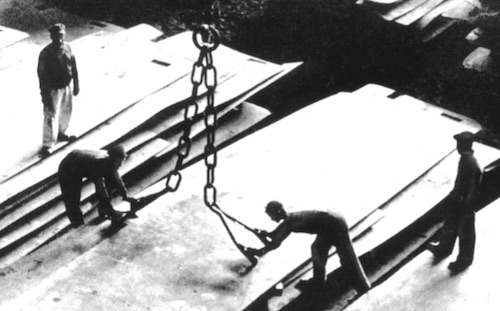
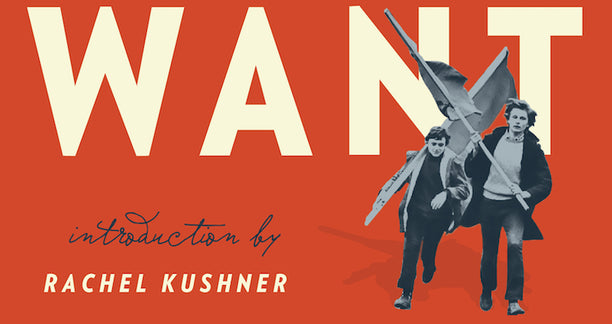
    Brecht considered War Primer part of “a satisfactory literary report on my years in exile,” as he wrote in a 1944 journal entry. Since this first English language reception of War Primer on the centenary of Brecht’s birth in 1998, what are we now to make of his poignant modernist epic of four-liner lyrics and scrapbook photos? Today, in our post-crash era, with its renewal of Marxism, Brecht the formalist can be freed from a series of postmodern qualifications. War Primer’s historical intervention can be seen in a new way today. With the far right politically relevant again, Brecht’s image-by-image analysis of social democracy, America, and fascism, which is the veritable heart of War Primer, possesses fresh relevance.
  • The Timing of Postmodernity

    The Timing of Postmodernity

    The capture of the postmodern by Jameson has set the terms of subsequent debate. It is no surprise that the most significant interventions since his entry into the field have likewise been Marxist in origin. The three leading contributions can be read as attempts to supplement or correct, each in its own way, Jameson's original account. Alex Callinicos’s Against Postmodernism (1989) advances a closer analysis of the political background to the postmodern. David Harvey's Condition of Postmodernity (1990) offers a much fuller theory of its economic presuppositions. Terry Eagleton's Illusions of Postmodernism (1996) tackles the impact of its ideological diffusion. All these works pose problems of demarcation. How is the postmodern to be best periodized?