
Is the AI Bubble About to Burst?
Aaron Benanav on why Artificial Intelligence isn’t going to change the world. It just makes work worse.
Aaron Benanav on why Artificial Intelligence isn’t going to change the world. It just makes work worse.

Excerpted here, Revolutionary Mathematics peels back the layer of mystification that shrouds our understanding of what machine learning has already done and what it can do for us in the future.
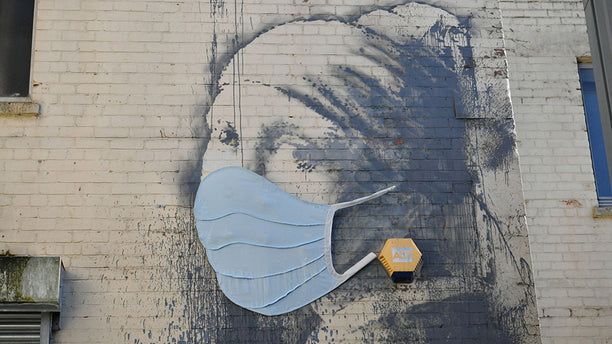
Can we rethink biopolitics–the questions of life and death–in the long shadow of COVID and climate change?

Craig Gent analyses the role of unions and potential for social movements in creating a workers' future without scarcity. Part of the Verso Roundtable on Automation and the Future of Work.
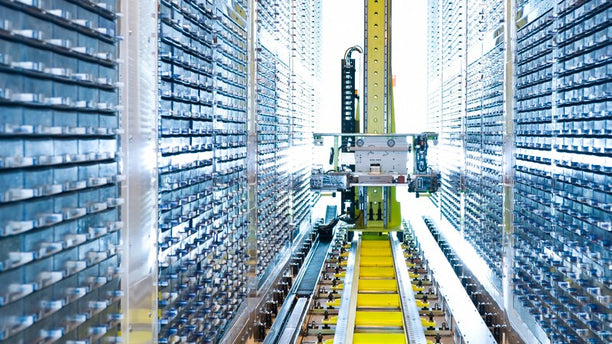
In response to the current COVID-19 crisis the UK Biobank, that contains half a million people’s anonymised health and genetic information, may be used to answer questions about coronavirus. Becca Muir asks, are the biopolitics of these databases being ignored?
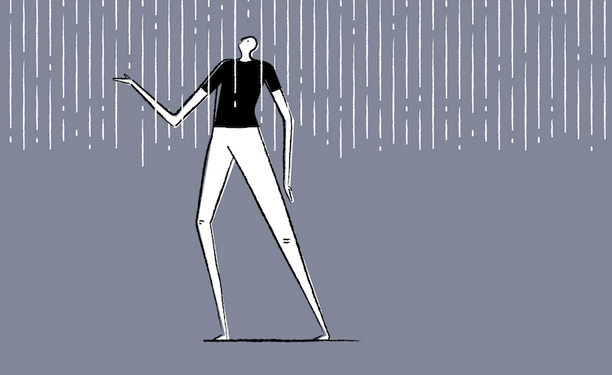
Geoengineering schemes — still largely hypothetical — not only fail to address the underlying causes of climate change; they carry their own profound political, economic, and ecological risks.
The problem is not technology or nature. The problem is how to organise societies at a global scale.
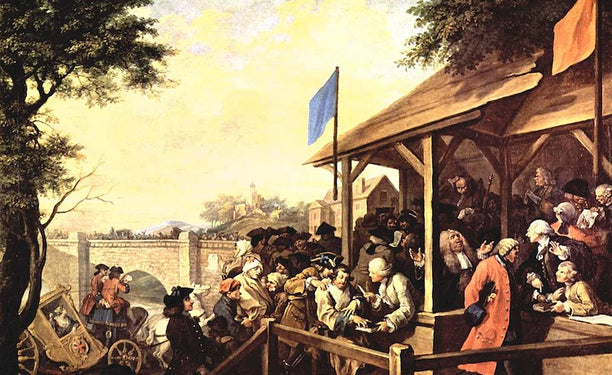
The anxiety that swirls around Cambridge Analytica reveals a deeper crisis in the private, individualist conception of democracy.
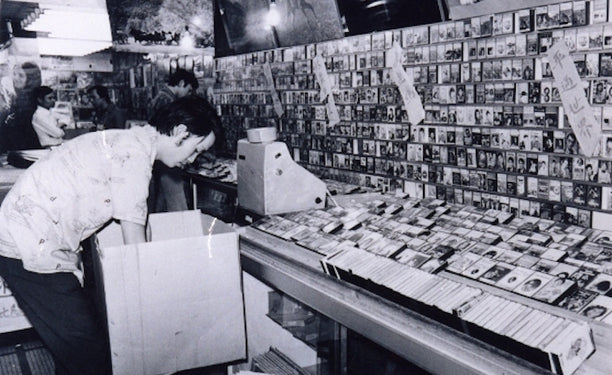
The chronic crisis of the record industry is compounded by a constant paradox, apparently inherent in the technology of reproduction, by which music is turned into a commodity only to see it escape.
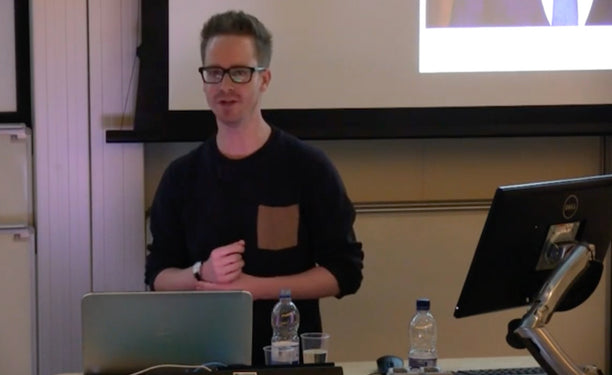
A conversation with Nick Srnicek on accelerationism, technology, and political practice.
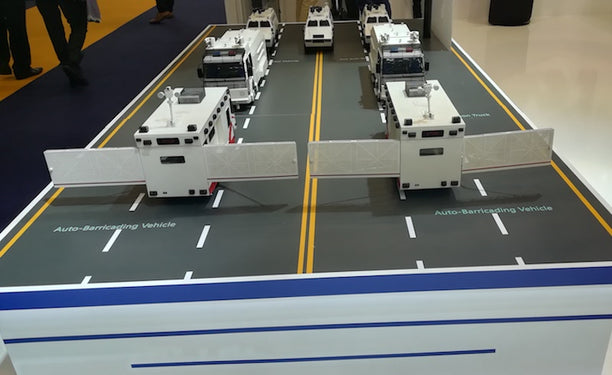
Tear Gas author Anna Feigenbaum visits Milipol.
"Proxy Politics" is both a diagnosis of the modern political terrain and a potential framework and strategy with which to resist it.