
Against media lynch mobs and the slurs against anti-racists
An open letter signed by scholars, activists, journalists, and artists in France against a witchhunt targeting political anti-racists.
An open letter signed by scholars, activists, journalists, and artists in France against a witchhunt targeting political anti-racists.

Our epic end-of-year-sale is BACK and ends January 1st!

We present our annual Gift Guide for all the hard-to-buy-for in your life!
Key reading from our Philosphy and Theory bookshelves.
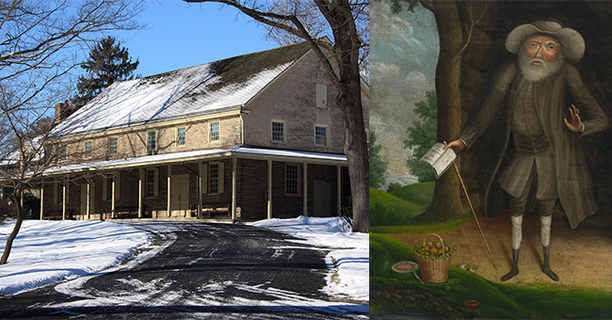
In 1738, radical abolitionist and Quaker dwarf Benjamin Lay was disowned by the Quaker community. He was well known for his uncompromising and confrontational stance against slavery and his commitment to convince his fellow Quakers to completely denounce and abolish it. Nearly three hundred years later, history is finally looking up for Lay.

An open letter by French feminists and researchers into gender violence in opposition to a proposed law to make street harassment an infraction.
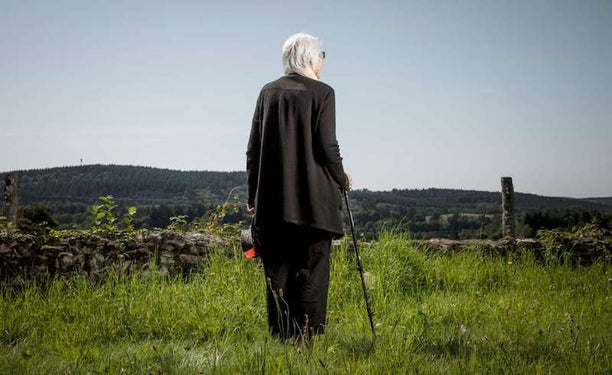
A profile of Marie-Jeanne Manuellan, assistant to Frantz Fanon from 1958 to 1961.
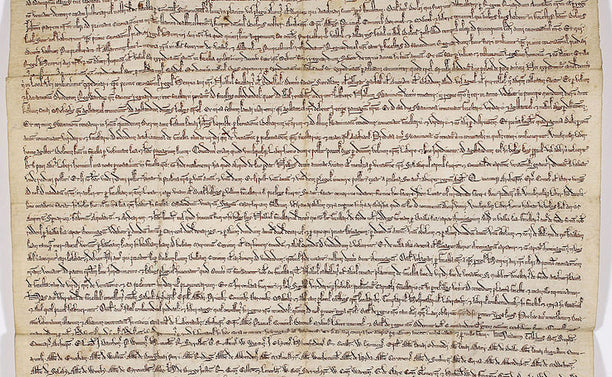
Peter Linebaugh's address to the House of Commons on the 800th anniversary of the Charter of the Forest.

Jennifer Wolch conceptualizes an urban theory that takes nonhumans seriously.

Anna Feigenbaum discusses the history of tear gas as crowd control.
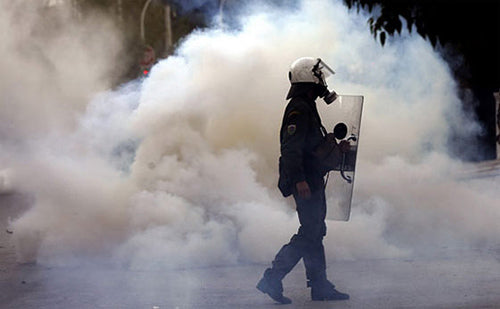
30% off Tear Gas, which explores how it has become the most commonly used form of “less-lethal” police force.
Anna Feigenbaum, author of Tear Gas, selects five essential books that theorize objects and atmospheres.