Philosophy: A Verso Bookshelf
Our ultimate books on Philosophy and Political Theory.
Our ultimate books on Philosophy and Political Theory.
Key reading on our cities and the geography of inequality, politics, and identity.
Our essential titles on radical histories.
Although the university space has historically been a site of autonomy and resistance, the last few decades have seen market forces invade this sanctuary of critical thought. But is it enough to oppose the ideal of the autonomy of knowledge and science to the commercial imperatives and bureaucratic controls that govern many universities today? In this essay, first published on Contretemps in 2006, Daniel Bensaïd argues that critical forces in the university must move beyond a defence of the "sanctuary" status, towards the creation of a broader strategy of social transformation, that can only be achieved by collaborating with other centres of knowledge production.

France’s Rosa Parks Collective has called for a “disappearance” on 30 November: a strike from workplaces, schools, universities, and even social media, to be followed by protests on 1 December. Driven by anti-racist movements and their allies, the Collective insists that there can be “No France without Us”. In this vein, it has combined opposition to police violence with a mobilization against state racism, attacks on migrants, unemployment, neoliberalism and colonial counter-revolution.
Our Spring 2019 catalogue is here! Featuring new books from Fredric Jameson, Natasha Lennard, Priyamvada Gopal, James Meek and more.
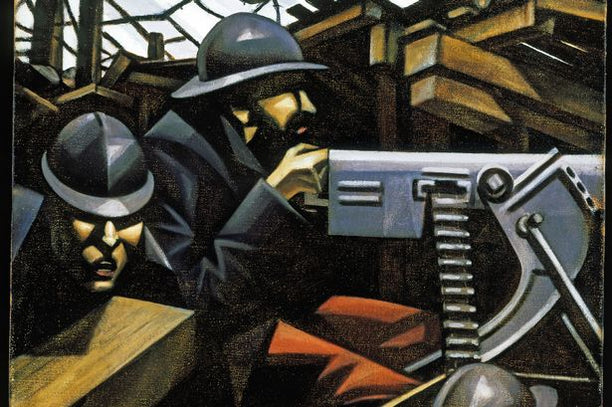
On the latest Suite (212) on Resonance FM, Juliet Jacques talks to Charlotte Jones, Teaching Fellow in Victorian & Modern Literature at King's College London, about the cultural impact of World War I in the UK.
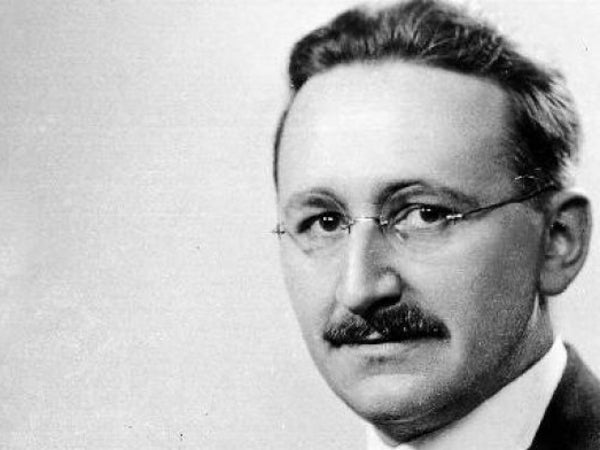
Will Davies discusses the role of neoliberalism in the rise of contemporary populism, the military logic of the internet, and the nature of the Corbyn project, with Alex Doherty on the Politics Theory Other podcast.
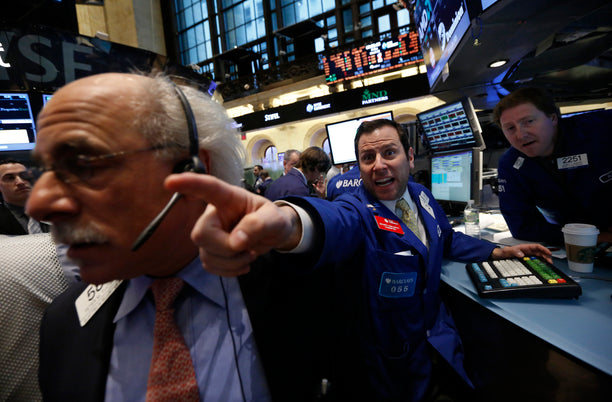
The financial crisis of 2008-9 was the largest and most devastating crisis since the Great Depression. What started on Wall Street soon spread to the rest of world and into the balance sheets of nation states. The cycle of austerity and recession in the subsequent decade is still effecting households and the real economy to this day. But what caused the crisis in the first place? In this now classic essay, Robert Brenner traces the origins of the crisis to the long downturn since the mid '70s, and offers what is still one of the best analyses of the financial system.

In this excerpt from Money, Michel Aglietta insists that money be seen as "an essentially political animal," arguing against the "three lies" relied upon by financial theory and the financial lobby it serves.
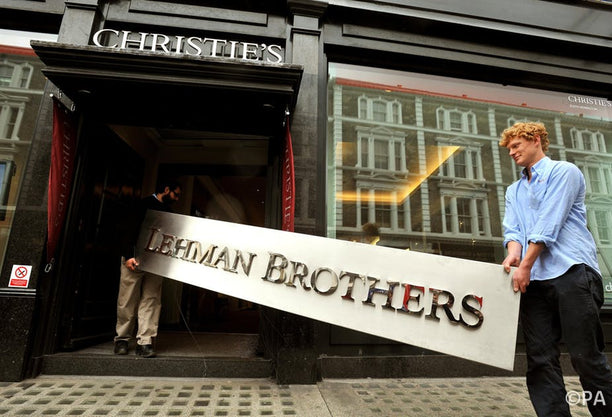
20 books on money, markets, and the financial crisis and its aftermath.

“Megafires” are now a staple of life in the West, but how we talk about them illustrates the tension at the heart of the western myth itself.