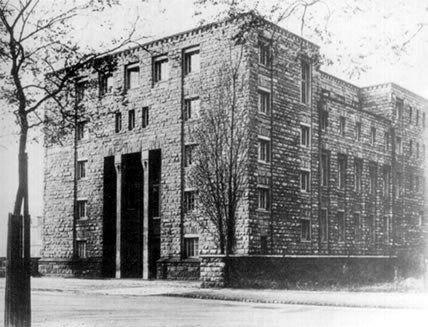
The Frankfurt School: A Timeline
Stuart Jeffries presents a timeline from 1881–2004, threading the lives of leading Frankfurt School thinkers through the major events of the times in which they lived.
Stuart Jeffries presents a timeline from 1881–2004, threading the lives of leading Frankfurt School thinkers through the major events of the times in which they lived.
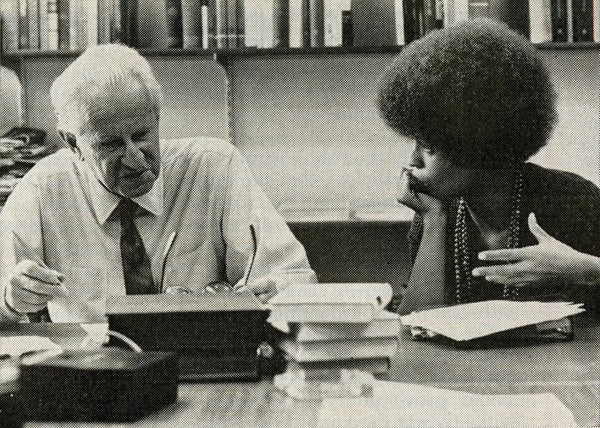
Stuart Jeffries on the Frankfurt School's absence of women and the points of contact between the thinkers associated with the Institute für Sozialforschung and theorists of feminism.
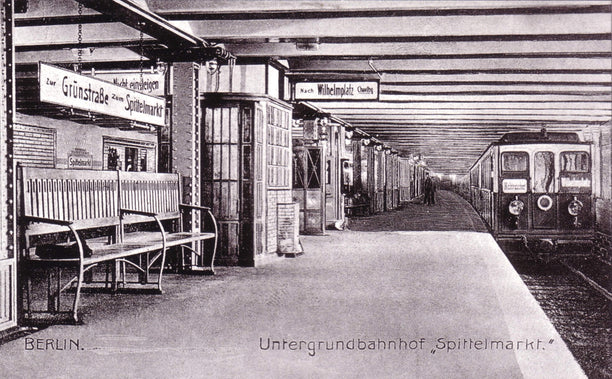
Below is a short essay on train station novels written by Walter Benjamin for Frankfurter Zeitung in 1930, collected in The Storyteller, and translated by Sam Dolbear, Esther Leslie and Sebastian Truskolaski.
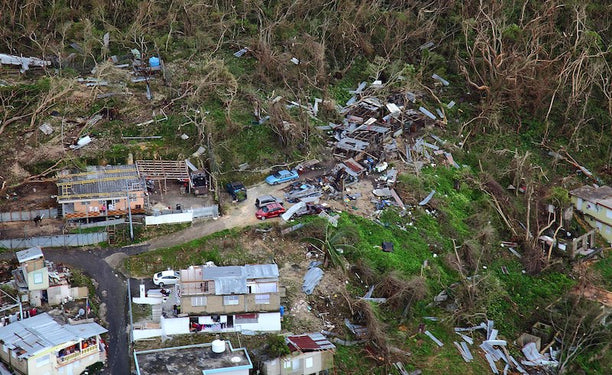
The Trump administration's delay in sending real aid to Puerto Rico after Hurricane Maria is a distasteful display of colonialist racism. But it's par for the course: our citizenship has always been second-class.

Max Horkheimer's 1960 essay on the arrest of Adolf Eichmann, collected in Critique of Instrumental Reason.
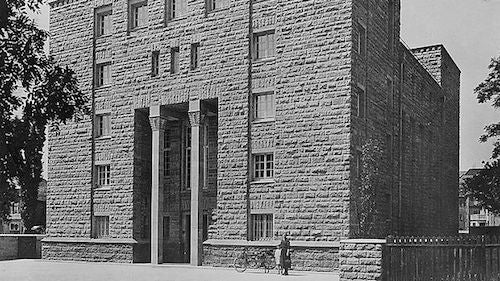
To mark the publication of Stuart Jeffries' Grand Hotel Abyss: The Lives of the Frankfurt School we're publishing excerpts and pieces related to Frankfurt School thinkers. Grand Hotel Abyss is now out in paperback and 30% off.
"Yépez is at the forefront of a generation of writers who are questioning notions of fluidity and synthesis, a generation that has seen those same categories veil the advent of global neoliberalism," Edgar Garcia has written.
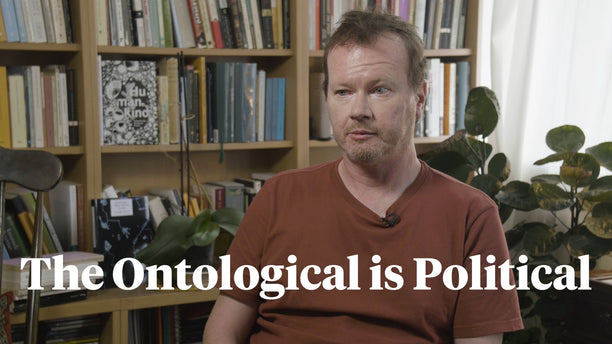
Timothy Morton's new book radically call for solidarity between humans and non-humans. In this interview, he discusses the political idea of the collective, subscendence, solidarity, fighting Nazis, and lots more.

Aaron Benanav discusses the real reasons behind the rise of a global precarious workforce.
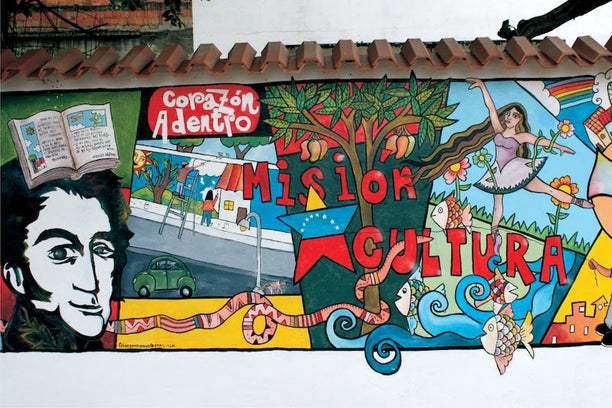
The autobiography workshops of the Misión Cultura, instituted in 2005 as part of a broader Bolivarian project, aimed to “give words, voice, to us, those always silenced” and build up a popular alternative archive of people’s histories.
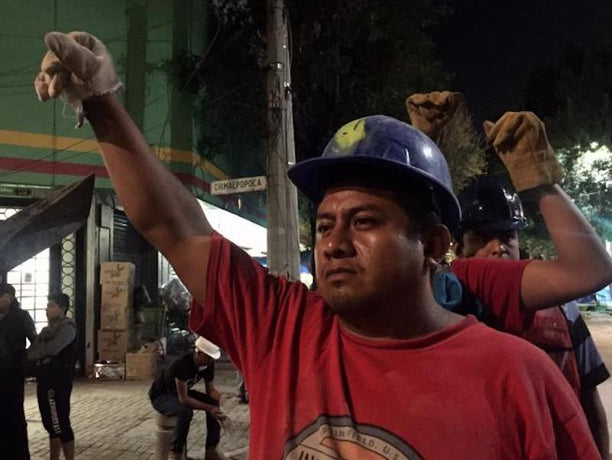
In the aftermath of two earthquakes in Mexico, the state and the political system have provided little but frustration for residents affected.
In the twenty-first century any world war is a civil war, and any civil war affects the world. Does this mean the end of the Age of Revolutions, or a whole new understanding of what revolution entails?