
Can the Imperial Logic of Documentary be Repaired?
Zoë Druick asks if documentary films can escape their imperial past, part of the Verso roundtable "Unlearning Imperialism" considering the work of Ariella Aïsha Azoulay.
Zoë Druick asks if documentary films can escape their imperial past, part of the Verso roundtable "Unlearning Imperialism" considering the work of Ariella Aïsha Azoulay.
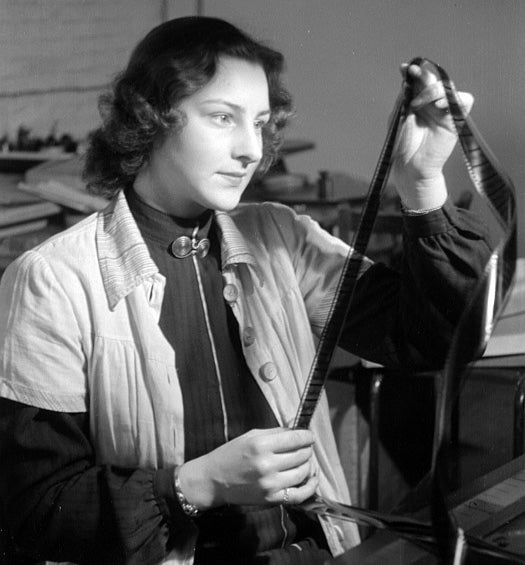
Emma Pirnay recovers the gendered history of film editing and considers how we can recognise marginalised labour.

Claude Lanzmann's five-hour documentary on the Israeli Defence Forces, Tsahal (1994), is a nauseating tribute to an army that supposedly defends Israel but has become an instrument of conquest and oppression

Juliet Jacques and writer and curator Paul Clinton discuss the wave of queer radicalism that followed May 1968 in France.

In the Soviet Union, 1968 marked the end of reformist optimism and the beginning of a more cynical era.
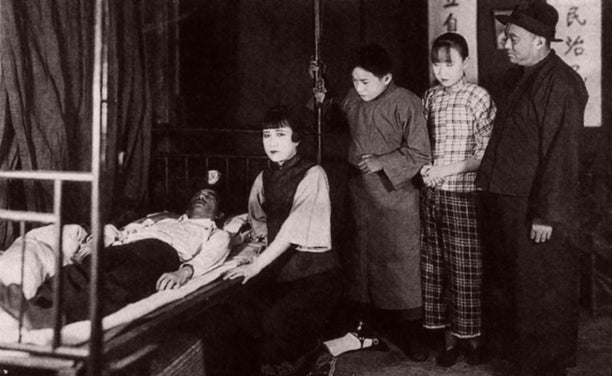
Marxist Feminist film scholar Dai Jinhua, one of the preeminent cultural critics of China's New Left, historicizes the rapid cultural and intellectual developments that took place in China during the 1980s and 90s.

"We, filmmakers, call on ourselves to bite, to film, and to defend this territory which is beaten and hits back."

May 1968 stands at the precipice into which the historical labor movement will descend.
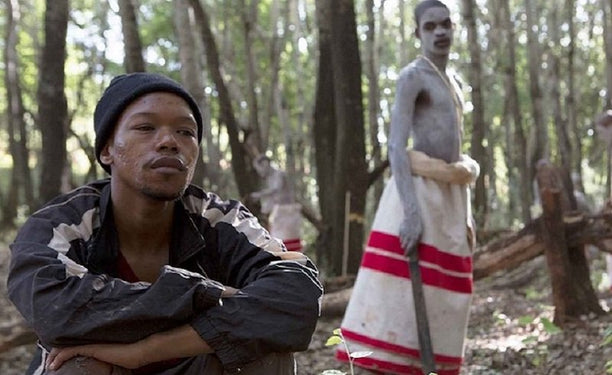
South African film Inxeba (The Wound) reveals the developmental power male spaces hold over those coerced into passing through them.

In this 2014 interview, Joan Copjec discusses the development of her thought, the state of psychoanalytic theory, and her recent work.

Watch The Walls of the WTO, a short film that revisits the history of twentieth-century ideas of the world economy through a single building: the Centre William Rappard on the shores of Lake Geneva.
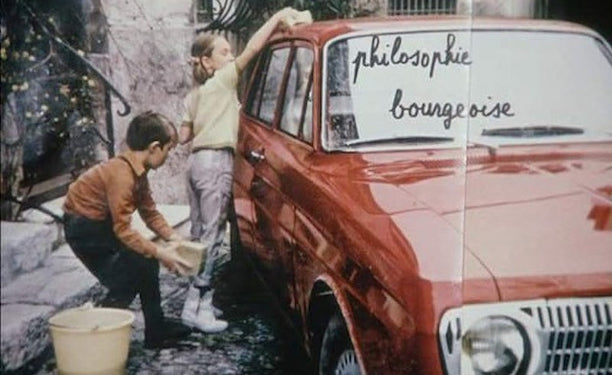
Peter Wollen's landmark essay on the relation between two distinct traditions of avant-garde film.