A Second Wind for Weather Underground? The Prairie Fire Statement
The Weather Underground's major achievement of the 1974 was not any armed action, it was the release of Prairie Fire: The Politics of Revolutionary Anti-Imperialism.
The Weather Underground's major achievement of the 1974 was not any armed action, it was the release of Prairie Fire: The Politics of Revolutionary Anti-Imperialism.
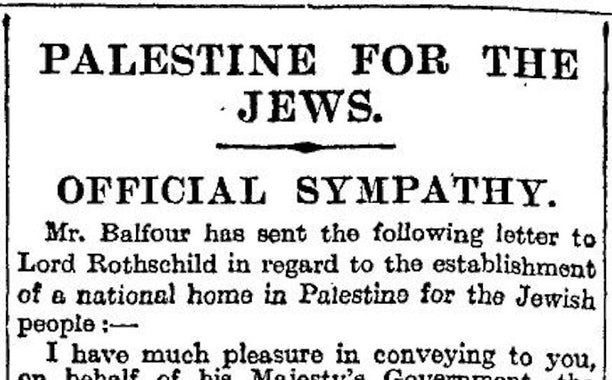
Today marks the 100-year anniversary of the Balfour Declaration. Here we present an essay by Avi Shlaim that examines the declaration and its historiography.
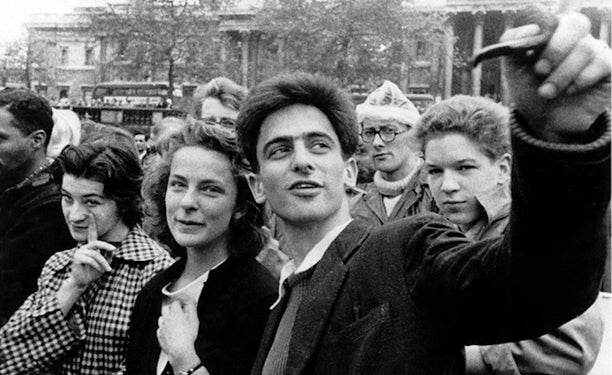
Reflections by Sheila Benson, Dorothy Wedderburn, and Lynne Segal on the experiences of women within Britain's New Left.
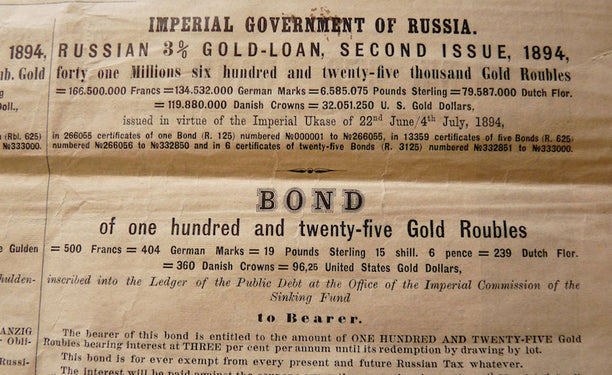
In February 1918, the repudiation of the debt by the Soviet government shocked international finance and sparked off unanimous condemnation by the governments of the great powers.
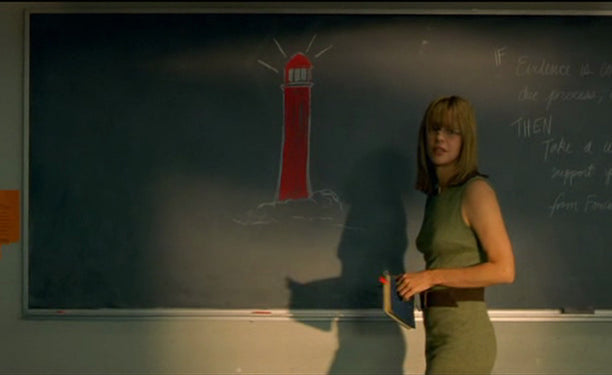
In the Cut cannily moves its counter across a board whose rules have been laid down by Freudian psychoanalysis, Propp’s analysis of folk tales, and film theory’s obsession with the B-movie and noir.
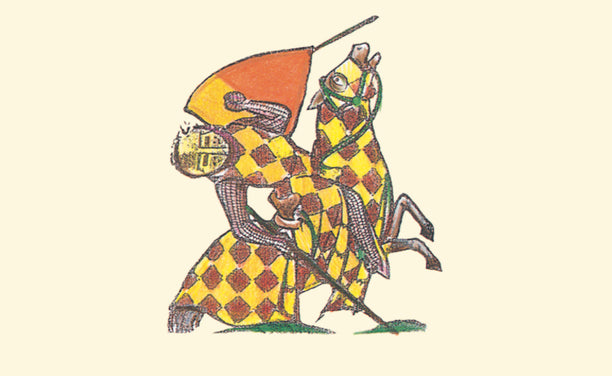
Was the feudal order subject to accidental disintegration; did it collapse under several unrelated crises; or was there a general crisis of this society because of its inherent weaknesses?
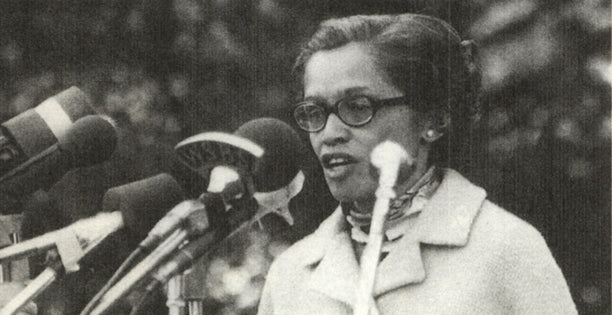
The promse of 1917 allowed African American women to assert themselves as an integral part of a global movement to end racism, sexism, and imperialism.
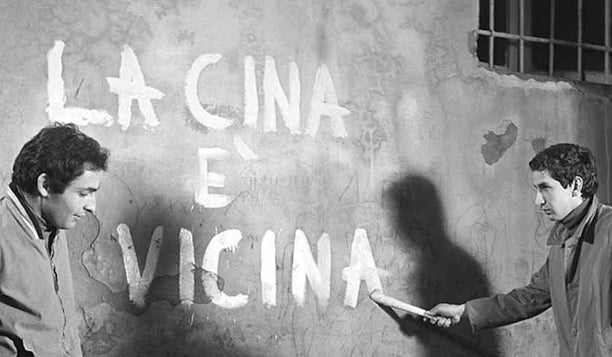
"China" continues to be a kind of allegorical screen for thinking political fanaticism.
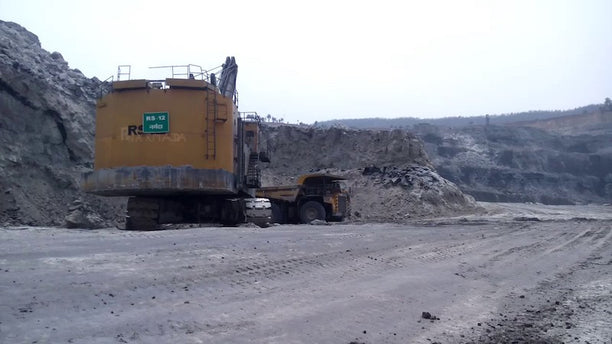
Outside of hard climate science, history should be the preeminent field for the study of global warming.
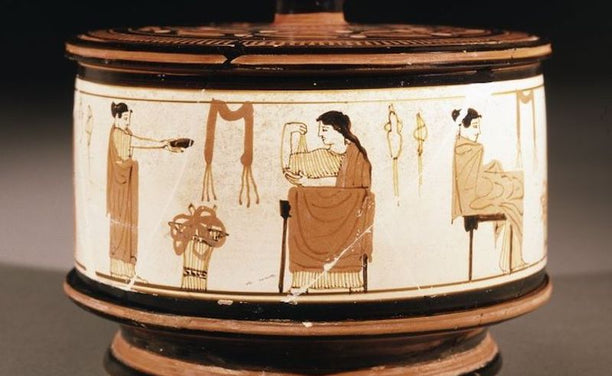
To explain the origins of female subordination we need a theory that accounts for the control of women's work by men.
Jason Moore on the origins of the twenty-first century's "distinct, but mutually formative" crises of capitalism and ecology.
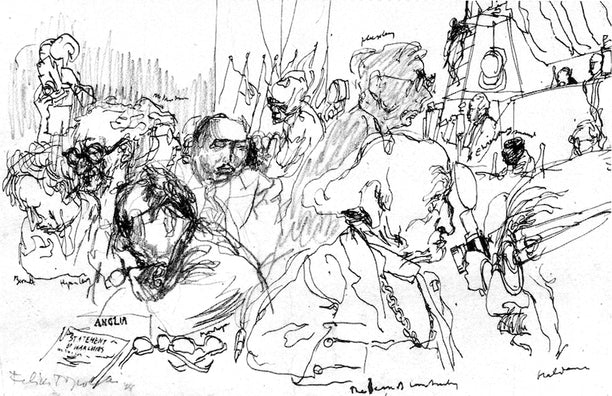
An exploration of Bernal's contribution to the politicization of science and scientists, above all the development of the Social Relations of Science movement.