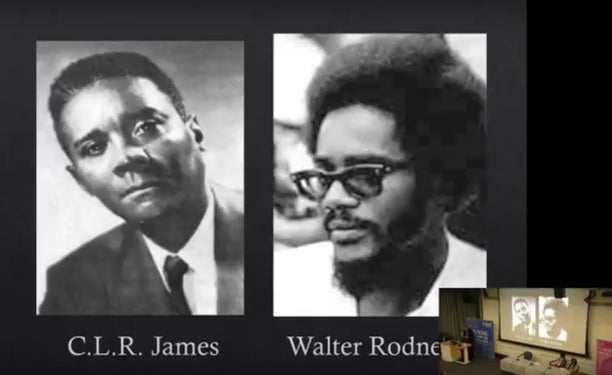
Video: Marcus Rediker — History from Below after the Transnational Turn: The Case of a Forgotten 18th-century Revolutionary
Marcus Rediker on the life of Quaker abolitionist Benjamin Lay and the methods of "history from below."
Marcus Rediker on the life of Quaker abolitionist Benjamin Lay and the methods of "history from below."
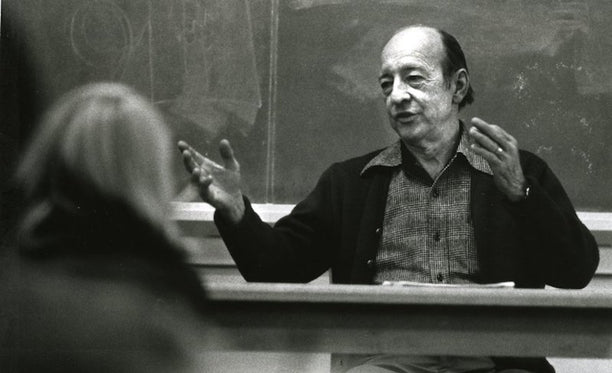
William Appleman Williams criticizes common abuses of American history and explains his own method.
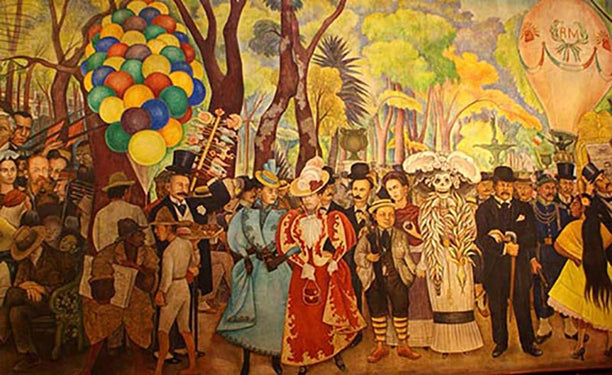
A brief excerpt from Étienne Balibar and Immaneul Wallerstein's Race, Nation, Class — part of the Political Theory bookshelf, 50% off until Sunday, March 4 at 11:59pm EST.

"Women have always, it turns out, told about sexual violence, fought it, struggled to write it and say it. Women have fought to tell it to themselves" – Jessie Kindig introduces Where Freedom Starts: Sex Power Violence #MeToo

Historian D.N. Jha describes the contradictions of the purificatory role of cows in early Brāhmaņical society.
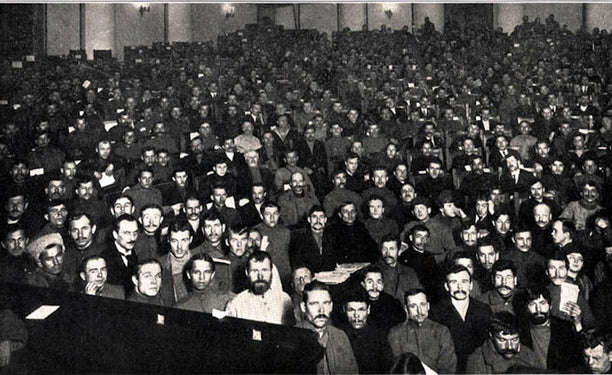
"We have an awful lot more to learn about the Russian Revolution."
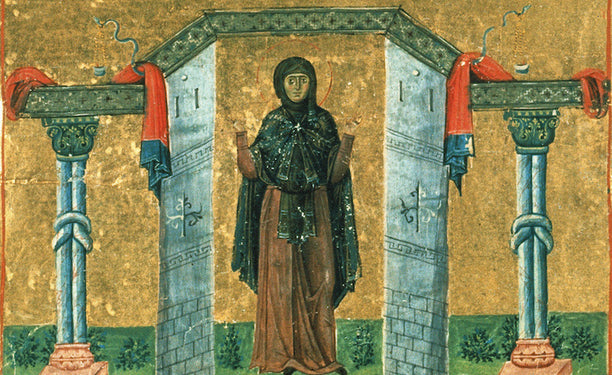
Joyce Salisbury examines attitudes toward chastity, sexuality, and gender held by a group of Early Christian women ascetics.
Lefebvre's monument to the unknown painter remains to be built.

Helena Sheehan introduces her survey of the philosophies of science developed during Marxism's first century.
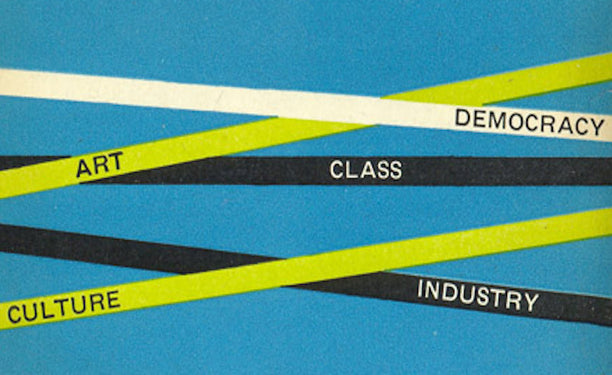
Terry Eagleton, Elinor Taylor, Jacob Soule, Patrick Parrinder, and others on the life and work of Raymond Williams.
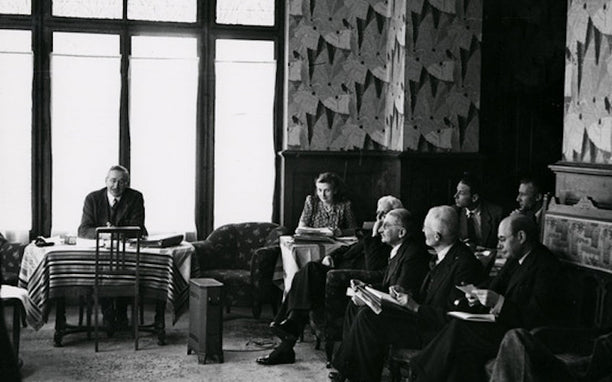
Rather than be discarded, the term "neoliberalism" needs to be defined with greater precision.
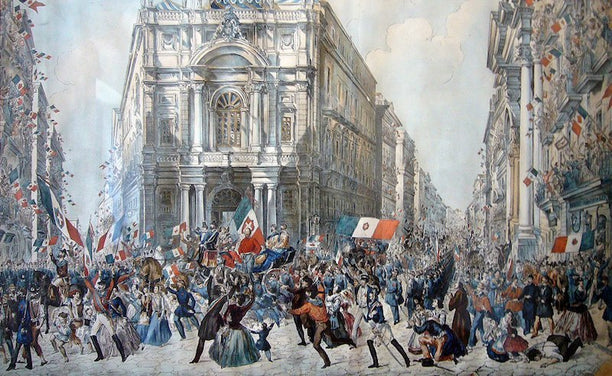
In this 1979 essay, historian Pierre Vilar reconstructs nineteenth- and twentieth-century Marxist theories of the nation — against the claim that they do not exist.