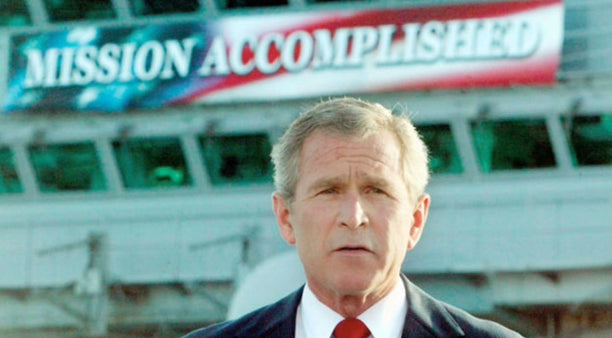
US Empire 20 Years after 9/11: A Reading List
Essential readings on the United States' imperialist ventures in the Middle East by Deepa Kumar, Suzanne Schneider, and Andrew Cockburn.
Essential readings on the United States' imperialist ventures in the Middle East by Deepa Kumar, Suzanne Schneider, and Andrew Cockburn.
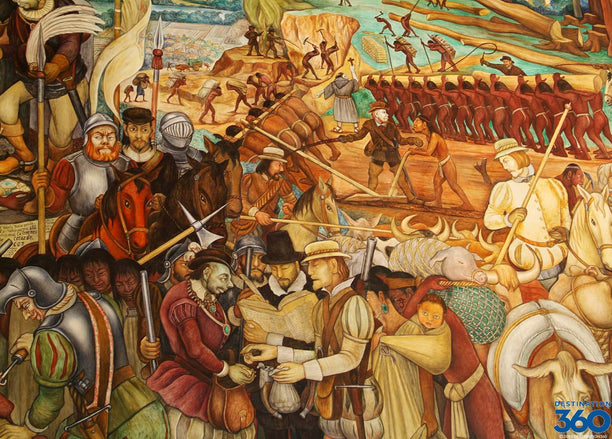
For Jean-Baptiste Fressoz and Fabien Locher, the evolution of climates has been of concern to humans for five centuries, and the subject has been central to political and social debates well beyond scientific circles.
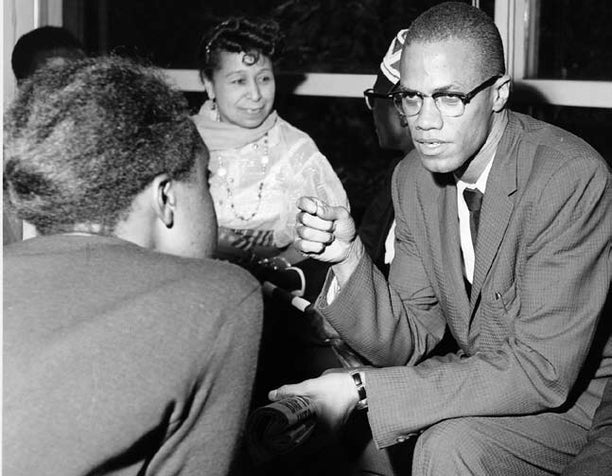
Sam Moore recovers the forgotten history of Malcolm X's solidarity visit to Smethwick
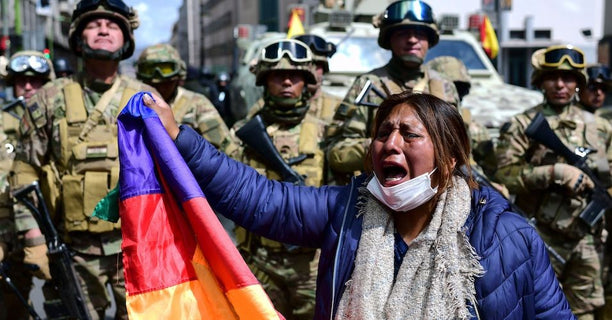
November's coup in Bolivia is just the latest episode in the right-wing resurgence across Latin America. In this article, William I. Robinson looks at the deeper structural causes for the retreat in the Pink Tide, and the hopes for a socialist renewal in the region.
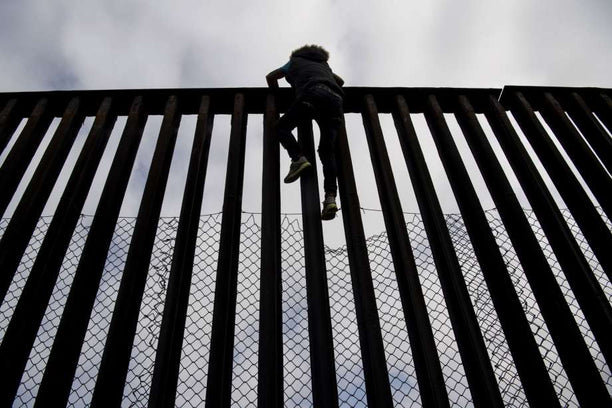
Todd Miller, author of Empire of Borders, selects five essential books about border imperialism, the surveillance state, and the politics of national security.
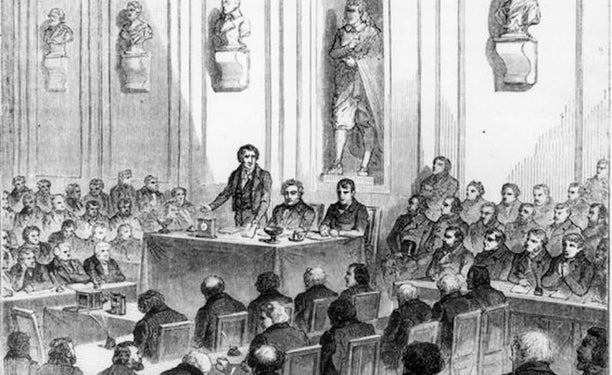
In the first part of the series Unlearning Decisive Moments of Photography, Ariella Azoulay urges us to unlearn the knowledge that calls upon us to account for photography as having its own origins, histories, practices, or futures, and to explore it as part of the imperial world that we operate in.

How did a young American woman, born to a secular, working-class New York Jewish family and raised during the Depression, end up in Algiers during a heady period of revolutionary fervor?

"We must dare to point out the Caribbean stain on France's face, since so many of the French seem determined to tolerate no shadow of it."

Peter Hallward examines political mobilizations among Haiti's popular classes in the years between the US-backed 2004 coup and the first presidential elections that followed, in 2006 — and the violent repression that met them.
Comparisons between Trump's border regime and the Nazi genocide often obscure more than they reveal about white supremacy, past and present.
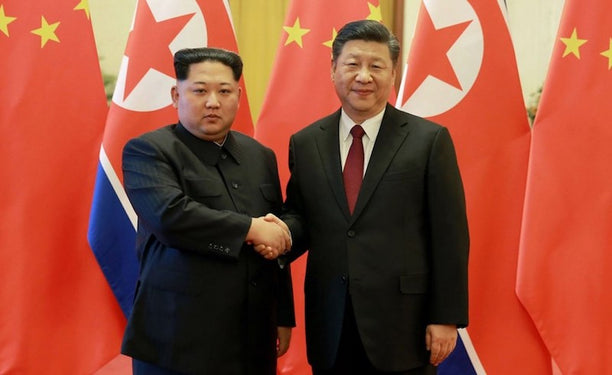
For China, the suspension of US “war games” alongside South Korea — coupled with talk of reducing troop numbers — offers the prospect of restoring its historical dominance on the Korean peninsula.
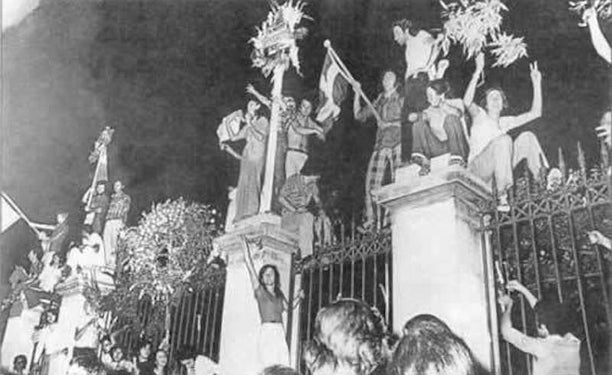
The 1960s explosions in Greece and Turkey were neither of the First or Third Worlds, the core or the periphery: they combined elements of both.